
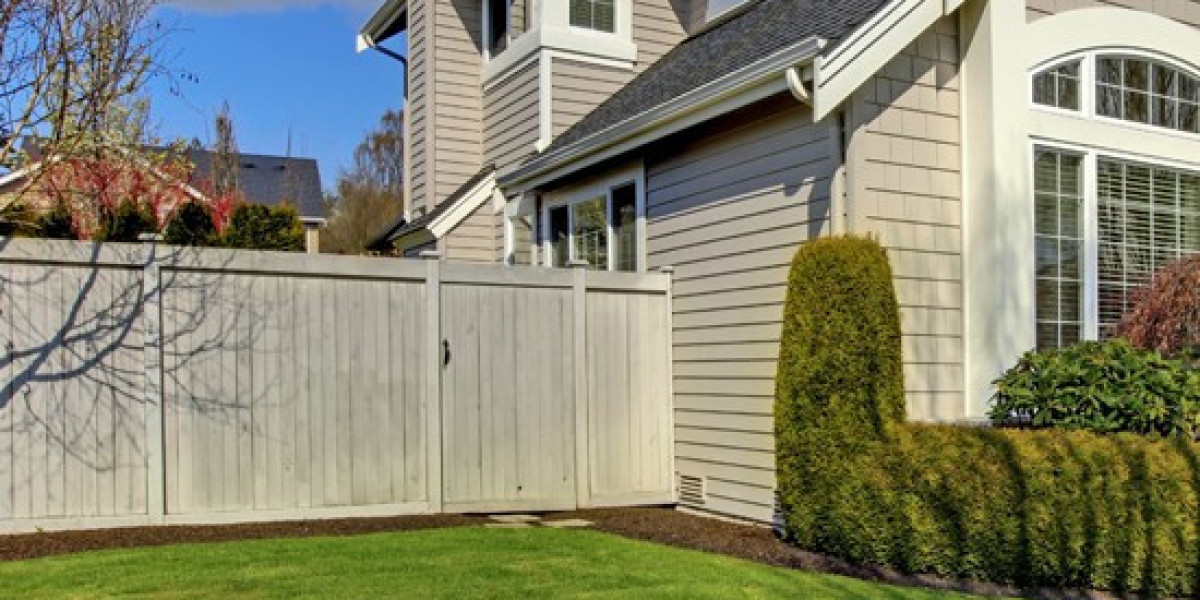
Fence installation is a valuable upgrade that improves privacy, security, and curb appeal. However, even a high-quality fence can become a costly problem if the installation process is not handled correctly. Homeowners in Bedford, NH often invest significant time and money into fencing projects, so avoiding common mistakes is essential for long-term success.
From incorrect measurements to choosing the wrong materials, small errors can lead to structural issues, property disputes, and expensive repairs. Understanding the most common fence installation mistakes can help homeowners make informed decisions and ensure a smoother project from start to finish.
Failing to Check Property Lines
One of the biggest mistakes homeowners make is installing a fence without confirming property boundaries. Guessing where the property line ends can lead to disputes with neighbors and potential legal issues.
Before starting installation, homeowners should review property surveys or hire a professional surveyor if necessary. Clearly identifying the correct boundaries ensures the fence is installed in the proper location and avoids future conflicts.
Accurate placement is especially important in Bedford, NH neighborhoods where homes may be built close together.
Ignoring Local Regulations and Permits
Every town has zoning regulations and fencing requirements. Ignoring local rules is a mistake that can result in fines or forced fence removal.
Bedford, NH may have guidelines regarding fence height, placement, and approved materials. Certain neighborhoods or homeowner associations may also enforce additional rules.
Before installation begins, homeowners should verify permit requirements and ensure the project complies with local regulations. Working with experienced fencing contractors can simplify this process and help avoid costly mistakes.
Choosing the Wrong Fence Material
Not all fence materials perform equally in New Hampshire’s changing weather conditions. Selecting the wrong material can reduce the fence’s lifespan and increase maintenance costs.
For example, untreated wood may struggle against moisture and snow exposure if not properly maintained. Some materials may also warp, fade, or weaken over time.
Homeowners should consider durability, maintenance requirements, and climate compatibility before making a decision. Popular fencing options in Bedford include:
- Wood fencing for traditional appearance
- Vinyl fencing for low maintenance
- Aluminum fencing for durability and elegance
- Chain-link fencing for affordability and security
Choosing the right material for your property and lifestyle is essential for long-term value.
Poor Post Installation
Fence posts are the foundation of the entire structure. Improperly installed posts are one of the most common causes of leaning or unstable fences.
Posts must be set at the correct depth and properly secured in concrete when necessary. In regions like Bedford, NH where frost and seasonal ground movement occur, shallow posts can shift over time.
Failing to account for frost depth may lead to fence movement during winter and spring thaw cycles.
Professional installers understand local soil conditions and ensure fence posts are positioned for maximum stability.
Incorrect Measurements and Spacing
Fence installation requires careful planning and precise measurements. Uneven spacing between posts or inaccurate panel placement can affect both appearance and structural integrity.
Rushed measurements often result in crooked fence lines, uneven gate openings, and wasted materials. Small miscalculations can become major issues once installation progresses.
Homeowners should double-check measurements and layout plans before digging begins. Accurate planning creates a cleaner and more professional-looking final result.
Overlooking Utility Lines
Digging without checking underground utility lines is a serious mistake that can create dangerous situations and expensive damage.
Water lines, gas pipes, electrical cables, and communication lines may all exist beneath the property. Accidentally striking one of these systems can delay the project and create safety hazards.
Before fence installation begins, homeowners should contact utility marking services to identify underground lines. This step protects both workers and property.
Installing the Wrong Fence Height
Fence height affects privacy, security, appearance, and local code compliance. Some homeowners install fences that are either too short for their needs or too tall for local regulations.
For example:
- A short decorative fence may not provide enough privacy
- An excessively tall fence may violate zoning rules
- Pool fences may require specific safety heights
Selecting the appropriate height depends on the fence’s intended purpose. Planning carefully helps homeowners avoid functional and legal problems later.
Neglecting Gate Placement
Fence gates are important for both convenience and accessibility. Poorly planned gate placement can create daily frustration and reduce the usability of the fence.
Some common mistakes include:
- Installing gates that are too narrow
- Positioning gates in awkward locations
- Failing to account for slope or uneven ground
- Using weak gate hardware
Gates should be easy to access, operate smoothly, and match the overall design of the fence.
Proper planning improves functionality and prevents premature wear.
Not Considering the Slope of the Yard
Many properties in Bedford, NH include uneven terrain or sloped landscapes. Ignoring these elevation changes during fence installation can result in large gaps beneath the fence or an uneven appearance.
Fence installers typically use one of two methods for sloped yards:
- Stepped fencing for gradual elevation changes
- Racked fencing for smoother contour alignment
Selecting the right approach improves both functionality and visual appeal.
Professional contractors can evaluate the landscape and recommend the best installation method.
Using Low-Quality Materials
Trying to save money by choosing low-quality fencing materials often leads to higher long-term costs. Cheap materials may deteriorate quickly, require frequent repairs, or fail during severe weather.
Investing in durable materials provides better long-term performance and reduces maintenance expenses.
Quality hardware, fasteners, and protective finishes are equally important. Even strong fence panels can weaken if low-grade components are used during installation.
Attempting DIY Installation Without Experience
While DIY fence installation may seem cost-effective, it often leads to mistakes that require professional correction later.
Fence installation involves:
- Accurate property measurements
- Proper post placement
- Knowledge of local codes
- Specialized tools and equipment
- Structural alignment techniques
Without experience, homeowners may struggle to achieve a stable and visually appealing result.
Professional contractors help ensure the project is completed efficiently and correctly.
Ignoring Maintenance Requirements
Different fence materials require different levels of maintenance. Some homeowners fail to plan for long-term care, which can shorten the fence’s lifespan.
Wood fences may require staining or sealing, while vinyl and aluminum fences generally need occasional cleaning.
Understanding maintenance expectations before installation helps homeowners choose the best material for their lifestyle and budget.
Failing to Plan for Future Needs
Fence installation should support both current and future property needs. Homeowners sometimes overlook how the fence will function over time.
Questions to consider include:
- Will the yard need additional landscaping later?
- Could future pets or children require more secure fencing?
- Will large equipment need gate access?
- Might property expansions affect the fence layout?
Planning ahead reduces the need for costly modifications in the future.
Conclusion
Fence installation in Bedford, NH can greatly improve a property, but avoiding common mistakes is essential for lasting results. Errors involving property lines, materials, measurements, post installation, and local regulations can create unnecessary stress and expenses.
By planning carefully, choosing quality materials, and working with experienced professionals, homeowners can ensure their fence remains durable, attractive, and functional for years to come.
A well-installed fence is more than a boundary—it is an investment in safety, privacy, and property value.






