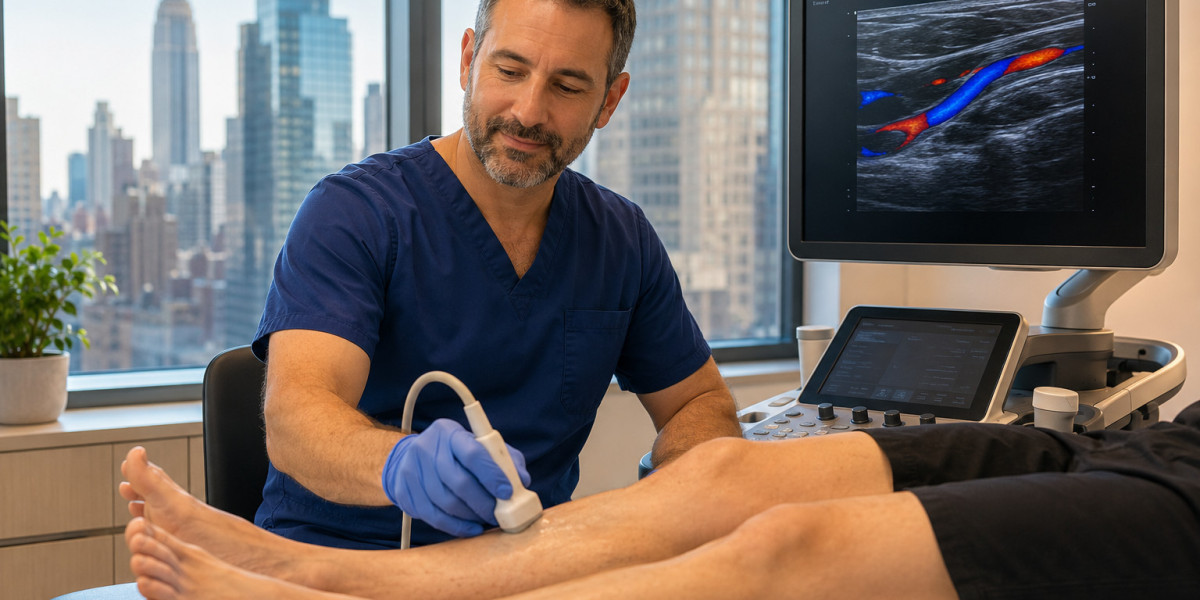
Selecting a medical facility for vascular care requires careful consideration of clinical expertise, diagnostic capabilities, and treatment approach. For New York City residents experiencing leg pain, swelling, or visible vein changes, understanding how to evaluate a vein clinic NYC offers against others directly impacts treatment outcomes. The dense urban environment, with its long commutes, standing-heavy routines, and sedentary office work, creates unique circulation challenges that demand specialized attention. This guide provides comprehensive, evidence-based information to help you identify high-quality vascular care and make an informed decision about your vein health.
Why Choosing the Right Vein Clinic Matters
Vein disease is progressive. What begins as minor leg fatigue or small visible veins can advance to chronic swelling, skin changes, and more serious complications when left untreated or improperly managed. The quality of your initial evaluation determines not only which treatment path you receive but also whether underlying issues are correctly identified.
Many vascular conditions share overlapping symptoms. Leg heaviness, night cramps, restless legs, and ankle swelling can stem from chronic venous insufficiency, deep vein abnormalities, or entirely different circulatory problems. A thorough diagnostic process distinguishes between these possibilities. Selecting a facility with comprehensive vascular imaging and experienced specialists ensures you receive an accurate diagnosis rather than a one-size-fits-all treatment approach.
Furthermore, vein disease management extends beyond initial treatment. Proper follow-up care, lifestyle guidance, and long-term monitoring prevent recurrence and maintain circulation health. The right clinical setting provides this continuity rather than performing isolated procedures without ongoing support.
Common Vein Conditions Treated at Modern Clinics
Chronic Venous Insufficiency
Chronic venous insufficiency occurs when vein valves malfunction, allowing blood to pool in the lower extremities instead of returning efficiently to the heart. This condition affects approximately 25 to 30 percent of adults and progressively worsens without intervention. Symptoms include leg swelling that increases throughout the day, aching discomfort, skin texture changes, and in advanced cases, venous ulcers.
Varicose Veins
Varicose veins appear as enlarged, twisted, bulging vessels visible beneath the skin surface. Beyond cosmetic concerns, they frequently cause throbbing pain, burning sensations, and leg fatigue. These vessels indicate underlying venous reflux that requires proper evaluation.
Spider Veins
Spider veins are small, web-like clusters of red, blue, or purple vessels near the skin surface. While often considered a cosmetic issue, they can signal early venous insufficiency and may accompany symptoms of leg discomfort or restlessness.
Deep Vein Abnormalities
More serious conditions involving deep vein thrombosis or post-thrombotic syndrome require specialized diagnostic imaging and coordinated care. A reputable vascular facility maintains relationships with vascular surgeons and can escalate care appropriately when deeper pathology is identified.
Qualifications and Experience to Look For
Board Certification and Specialized Training
When evaluating vascular care options, physician credentials matter significantly. Look for specialists board-certified in vascular surgery, interventional radiology, or phlebology. The American Board of Venous and Lymphatic Medicine offers additional certification specifically for vein disease management.
Specialists who have completed accredited fellowships in vascular medicine or surgery bring deeper diagnostic expertise than general practitioners offering vein procedures as an ancillary service. Do not hesitate to ask directly about a physician’s training background, years of experience treating your specific condition, and the volume of procedures they perform annually.
Multidisciplinary Team Structure
Comprehensive vein care involves more than a single physician. Quality facilities employ registered vascular technologists who perform diagnostic ultrasound, nursing staff experienced in post-procedure care, and patient coordinators who ensure follow-up continuity. This team-based approach indicates institutional commitment to quality rather than a transactional approach to vein treatment.
Importance of Accurate Vein Diagnosis
Duplex Ultrasound as the Gold Standard
No reliable vein evaluation occurs without duplex ultrasound imaging. This noninvasive technology combines traditional ultrasound with Doppler flow analysis, allowing the specialist to visualize vein structure, measure blood flow direction and velocity, and identify incompetent valves.
A proper diagnostic ultrasound examines both legs from groin to ankle, mapping the superficial and deep venous systems. The examination takes approximately 30 to 45 minutes and should be performed by a registered vascular technologist. Any facility that offers treatment recommendations without performing or reviewing a current venous ultrasound should raise immediate concern.
Why Physical Examination Alone Is Insufficient
Visible vein changes correlate poorly with underlying venous reflux severity. Some patients with minimal visible veins have significant functional insufficiency, while others with prominent varicose veins may have competent valve function. Relying on visual assessment alone leads to inappropriate treatment recommendations and missed diagnoses. Comprehensive duplex ultrasound provides the objective data necessary for proper treatment planning.
Modern Vein Treatment Options
Endovenous Laser Treatment
Endovenous laser treatment uses laser fiber inserted directly into the affected vein under ultrasound guidance. The laser energy heats the vein wall, causing it to collapse and seal shut. Blood naturally reroutes through healthier veins, and the sealed vessel is gradually absorbed by the body. This procedure requires only local anesthesia, takes approximately 45 to 60 minutes, and involves minimal downtime.
Radiofrequency Ablation
Radiofrequency ablation works similarly but uses radiofrequency energy rather than laser. Some studies suggest radiofrequency causes slightly less post-procedural discomfort and bruising, though both methods show comparable long-term effectiveness. Your specialist’s experience with each technology matters more than the specific device used.
Sclerotherapy
Sclerotherapy involves injecting a liquid or foam solution directly into problematic veins, causing them to collapse and fade. This technique treats smaller varicose veins and spider veins. Ultrasound-guided foam sclerotherapy allows treatment of larger vessels not visible on the surface. Multiple sessions are typically needed for optimal results.
Microphlebectomy
For very large, bulging veins unsuitable for thermal ablation, microphlebectomy removes the vessel through tiny incisions. This outpatient procedure uses local anesthesia and leaves minimal scarring. Recovery typically involves compression garment wear and activity modification for several days.
Compression Therapy
While compression stockings do not cure vein disease, they provide symptom relief and prevent progression. Quality clinics offer professional fitting services and educate patients on appropriate compression levels, which typically range from 15 to 20 mmHg for mild cases to 30 to 40 mmHg for significant insufficiency.
Questions Patients Should Ask Before Choosing a Clinic
Before scheduling treatment, request specific answers to these questions:
What diagnostic imaging will be performed before any treatment recommendation? The answer should include bilateral venous duplex ultrasound performed on-site.
Who interprets the ultrasound and performs the procedures? Confirm that a board-certified specialist with specific vein disease training handles both diagnosis and treatment.
What percentage of your patients require additional procedures after initial treatment? Some recurrence is normal, but high rates may indicate incomplete initial treatment.
How do you manage complications if they occur? The clinic should have clear protocols for handling issues like deep vein thrombosis, infection, or nerve irritation.
What does your follow-up schedule look like? Proper care includes ultrasound confirmation of vein closure at 6 to 12 weeks post-procedure and annual follow-up visits.
Do you offer alternative treatments for patients who are not candidates for thermal ablation? A quality clinic provides multiple options rather than a single procedure approach.
Importance of Patient Reviews and Reputation
Evaluating Online Feedback
Patient reviews provide useful information about office efficiency, staff courtesy, and scheduling convenience. However, understand that satisfied patients rarely write reviews while unhappy patients frequently do. Look for patterns across multiple platforms rather than individual extreme ratings.
Pay attention to comments about diagnostic thoroughness, time spent during consultation, and clarity of explanations. Complaints about rushed appointments or inadequate ultrasound examinations carry more weight than complaints about wait times or parking difficulties.
Professional Reputation Indicators
Beyond patient reviews, consider professional recognition. Board certification status, speaking engagements at medical conferences, published research in peer-reviewed journals, and teaching appointments at NYC medical schools all indicate expertise. Ask whether the physician has presented work at Society for Vascular Surgery or American Venous Forum meetings.
Follow-Up Care and Long-Term Vein Health
Successful vein treatment does not end with the last procedure. Post-treatment protocols typically include compression garment wear for one to four weeks, gradual return to normal activities, and scheduled ultrasound confirmation of treated vein closure.
Long-term management focuses on preventing new vein problems. Your specialist should provide specific guidance on exercise routines that promote calf muscle pump function, weight management strategies, and periodic surveillance ultrasound to detect new reflux early. Many patients benefit from annual vein check-ups even when asymptomatic, as new insufficiency develops over time.
NYC Lifestyle Factors That Affect Vein Health
The Commuting Challenge
New York City’s transportation infrastructure creates unique circulation challenges. Long subway rides with limited seating, standing on crowded platforms, and walking significant distances on hard pavement all increase venous pressure. The constant stop-and-go nature of city movement, combined with periods of prolonged standing, stresses vein valves more than steady walking or complete rest.
Sedentary Office Culture
Despite the city’s walkable reputation, many New Yorkers work desk jobs requiring eight to ten hours of sitting. Office workers face particular risk because seated positions with bent knees impair venous return from the lower legs. Quality vein care in NYC addresses these occupational factors through specific exercise recommendations and workplace modifications.
Seasonal Temperature Variation
New York’s cold winters cause superficial vein constriction, which can temporarily reduce visible vein prominence while underlying insufficiency continues progressing. Patients who notice symptom improvement in winter but worsening in summer should not assume their condition has resolved. Proper diagnosis requires evaluation independent of seasonal variation.
Red Flags to Avoid When Selecting a Vein Clinic
No ultrasound or abbreviated ultrasound – Facilities that treat without diagnostic imaging or perform only a quick, focused scan rather than complete venous mapping provide inadequate care.
Exclusive focus on cosmetic treatment – Leg veins have functional implications. Clinics advertising only aesthetic vein removal without addressing underlying venous reflux miss the root problem.
Pushy sales tactics – High-pressure consultations emphasizing limited-time discounts or package deals prioritize revenue over appropriate care. Ethical specialists recommend treatment based on medical necessity, not promotional calendars.
Unusually low pricing – Medicare and private insurance reimbursement rates for venous procedures reflect the cost of quality equipment, trained staff, and facility overhead. Prices significantly below standard rates indicate corner-cutting.
Lack of complication management plan – Every vein procedure carries some risk. Clinics unable to clearly explain their complication response protocols should be avoided.
No clear follow-up protocol – Treatment without scheduled post-procedure ultrasound verification means neither you nor your physician will know whether the procedure succeeded.
Conclusion
Finding appropriate vascular care requires systematic evaluation of diagnostic thoroughness, specialist qualifications, treatment options, and follow-up protocols. The right facility performs complete duplex ultrasound before any treatment recommendation, employs board-certified specialists with specific vein disease expertise, offers multiple treatment modalities, and provides structured long-term follow-up.
For New York City residents, consider how a clinic addresses urban lifestyle factors affecting circulation. The facility you select should demonstrate understanding of commuting demands, occupational risks, and the importance of accessible follow-up care in a busy city environment. Taking time to research credentials, ask specific questions, and verify diagnostic standards leads to better outcomes and prevents the frustration of incomplete or incorrect treatment. Your vein health deserves nothing less than thorough, evidence-based care from qualified specialists who treat the underlying condition, not just the visible symptoms.
Frequently Asked Questions
What symptoms indicate I should see a vein specialist?
Persistent leg swelling that worsens as the day progresses, aching or throbbing discomfort after prolonged standing, visible bulging veins, restless legs at night, skin discoloration or thickening around the ankles, and leg fatigue that improves with elevation all warrant vascular evaluation.
Is vein treatment covered by health insurance in NYC?
Insurance typically covers treatment for symptomatic chronic venous insufficiency when diagnostic ultrasound confirms venous reflux. Cosmetic treatment of spider veins without associated symptoms is generally not covered. Your specialist should provide a clear cost estimate based on your specific diagnosis and insurance plan.
How many treatment sessions will I need?
Most patients require one endovenous laser or radiofrequency ablation session per affected vein. Sclerotherapy for spider veins or small varicose veins typically requires two to four sessions spaced several weeks apart. Your treatment plan depends on the extent and location of venous reflux identified on ultrasound.
What is recovery like after vein procedures?
Modern minimally invasive treatments allow immediate walking and return to normal activities within 24 hours. Expect to wear compression stockings for one to four weeks and avoid heavy lifting or high-impact exercise for several days. Most patients resume desk work the following day.
Can varicose veins return after treatment?
Treated veins close permanently and do not reopen. However, vein disease is progressive, and previously healthy veins may develop insufficiency over time. Proper long-term management includes lifestyle modifications, compression therapy when indicated, and periodic surveillance ultrasound to detect new reflux early.