
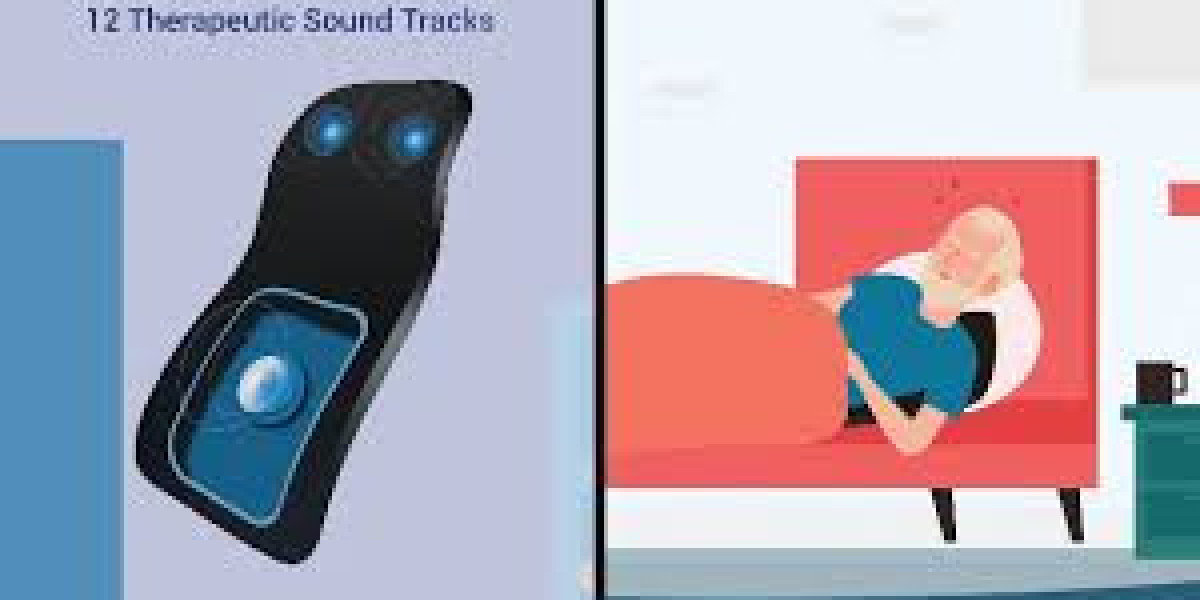
In today’s fast-paced world, stress, anxiety, insomnia, and chronic pain have become common challenges for millions of people. As more individuals search for natural and non-invasive solutions, vibroacoustic therapy has emerged as a promising wellness treatment. Combining low-frequency sound vibrations with relaxation techniques, this therapy supports both physical and mental well-being.If you are looking for a holistic method to reduce stress, ease pain, and improve sleep quality, vibroacoustic therapy may be worth exploring. This guide explains what it is, how it works, its benefits, and why it is gaining popularity worldwide.
What Is Vibroacoustic Therapy?
Vibroacoustic therapy is a form of sound therapy that uses low-frequency sound waves and vibrations transmitted directly into the body through specially designed equipment such as mats, chairs, beds, recliners, or tables. These devices contain speakers or transducers that convert sound into gentle mechanical vibrations.During a session, a person typically lies down or sits comfortably while the vibrations move through the body. Many users describe the sensation as a deep internal massage or calming rhythmic pulse that promotes relaxation.The therapy was originally developed in Nordic countries, especially Norway, by researcher Olav Skille in the 1980s. Since then, it has been used in wellness centers, clinics, therapy practices, and homes worldwide.
How Does Vibroacoustic Therapy Work?
The human body responds strongly to vibration and sound. Low-frequency tones can influence muscles, nerves, circulation, and the nervous system. In vibroacoustic therapy, frequencies generally range between 30 Hz and 120 Hz, although some systems may vary.
When these vibrations pass through the body, they may help:
- Relax tense muscles
- Stimulate circulation
- Calm the nervous system
- Encourage deeper breathing
- Promote a meditative state
- Reduce physical discomfort
Because the vibrations are felt physically while also being heard, vibroacoustic therapy works on multiple sensory levels at the same time.
Main Benefits of Vibroacoustic Therapy
1. Stress Reduction
One of the most popular reasons people seek vibroacoustic therapy is stress relief. The soothing rhythmic vibrations help shift the body from a “fight or flight” state into a calmer relaxation response.
Many users report feeling deeply peaceful after sessions, with reduced mental tension and clearer thinking.
2. Pain Management
Low-frequency vibration therapy has often been used to support pain relief. It may help reduce:
- Lower back pain
- Neck tension
- Shoulder stiffness
- Joint discomfort
- Muscle soreness
The vibrations may relax tight muscles and improve blood flow, helping the body recover naturally.
3. Better Sleep
People struggling with insomnia often find it difficult to quiet the mind before bed. Vibroacoustic therapy can create a calming environment that prepares the body for sleep.
Regular sessions may support:
- Faster sleep onset
- Deeper sleep
- Less nighttime waking
- Improved restfulness
4. Anxiety Relief
Anxiety often creates tension in both body and mind. Vibroacoustic therapy provides a grounding physical sensation that may help interrupt racing thoughts and promote emotional balance.
5. Improved Mood and Focus
Many people feel refreshed, energized, and mentally clear after sessions. Reduced stress often leads to better concentration, emotional stability, and improved daily performance.
Who Can Benefit from Vibroacoustic Therapy?
Vibroacoustic therapy may be useful for a wide range of people, including:
- Busy professionals under high stress
- Individuals with chronic muscle tension
- People with sleep difficulties
- Students seeking focus and calmness
- Athletes recovering from training stress
- Seniors looking for gentle wellness support
- Anyone interested in meditation and relaxation
It is also increasingly used in spas, wellness clinics, rehabilitation centers, and holistic therapy practices.
What Happens During a Session?
A standard vibroacoustic therapy session usually lasts between 20 to 30 minutes.
Typical Experience:
- You lie down or sit on a therapy device.
- Low-frequency sound vibrations begin.
- Gentle rhythmic pulses move through the body.
- You breathe deeply and relax.
- Many people drift into a meditative or sleepy state.
After the session, users often report:
- Deep calmness
- Reduced body tension
- Clearer thoughts
- Improved mood
- Increased energy
Vibroacoustic Therapy vs Massage
Although both therapies aim to relax the body, they work differently.
| Feature | Vibroacoustic Therapy | Massage |
|---|---|---|
| Method | Sound vibration | Hands-on pressure |
| Contact Required | No | Yes |
| Focus | Whole-body nervous system | Muscles and tissues |
| Clothing Needed | Usually clothed | Often partial undress |
| Relaxation Level | Deep sensory calm | Physical muscle relief |
Many people use both therapies together for complete wellness support.
Is Vibroacoustic Therapy Safe?
For most healthy adults, vibroacoustic therapy is considered a gentle and non-invasive wellness method. It does not involve medication, injections, or aggressive manipulation.
However, people with the following conditions should consult a healthcare professional first:
- Pacemakers or implanted devices
- Pregnancy
- Severe heart conditions
- Recent surgery
- Epilepsy
- Serious medical illness
Always use professional guidance if unsure.
What Does Research Say?
Interest in vibroacoustic therapy has grown over the last few decades. Various studies and clinical observations have explored its potential for:
- Pain management
- Relaxation
- Anxiety reduction
- Improved quality of life
- Neurological support
While more large-scale studies are still needed, many therapists and users continue to report positive experiences.
Why Vibroacoustic Therapy Is Growing in Popularity
Modern life creates constant stimulation, stress, and screen overload. Many people struggle to meditate or relax on their own. Vibroacoustic therapy offers an effortless way to unwind because the body responds automatically to the sound vibrations.
Unlike techniques that require focus or discipline, users simply lie down and receive the experience.
That ease of use is one reason wellness centers and home users are adopting this therapy rapidly.
Choosing a Vibroacoustic Therapy System
If you are considering personal use, systems are available in several forms:
- Therapy mats
- Recliner chairs
- Beds
- Sound tables
- Portable cushions
- Wellness loungers
Choose based on comfort, space, budget, and intended use.
Final Thoughts
Vibroacoustic therapy is an innovative wellness approach that combines sound, vibration, and relaxation to support healing naturally. Whether your goal is stress relief, pain reduction, better sleep, or emotional balance, this therapy offers a gentle and enjoyable experience.As more people seek drug-free and non-invasive wellness solutions, vibroacoustic therapy is becoming an increasingly valuable option. With regular use, it may help you reconnect with calmness, restore balance, and improve overall quality of life.






