
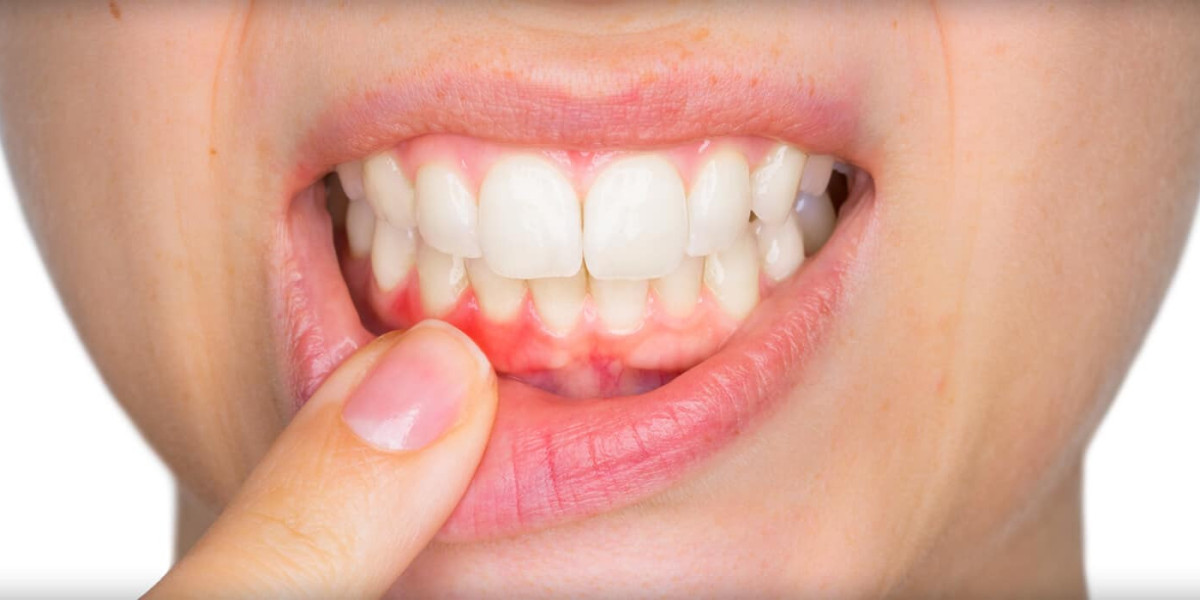
Healthy gums are the foundation of a strong smile and overall oral wellness. Gum health is often overlooked until problems such as bleeding, swelling, or sensitivity appear. One of the most common yet preventable oral health issues is gum infection that can progress into serious conditions affecting the supporting structures of teeth. Maintaining proper oral hygiene, adopting healthy lifestyle habits, and seeking timely dental care can significantly reduce the risk of complications and help preserve natural teeth for a lifetime.
Understanding how gum disease develops and what steps can stop its progression is essential for long-term dental health. With consistent care and awareness, most gum-related issues can be avoided before they become severe.
What Is Gum Disease?
Gum disease, also known as periodontal disease, is a bacterial infection that affects the gums and bones supporting the teeth. It typically begins as plaque buildup along the gumline, which, if not removed through proper brushing and flossing, hardens into tartar. This leads to inflammation known as gingivitis, the earliest stage of gum disease.
If left untreated, gingivitis can advance into more severe stages where the infection spreads below the gumline and damages bone tissue. At this point, tooth stability becomes compromised, and tooth loss may occur.
Causes of Gum Problems
Several factors contribute to the development of gum disease. Poor oral hygiene is the leading cause, but it is not the only one. Hormonal changes, smoking, uncontrolled diabetes, genetic predisposition, and certain medications can also increase risk.
Plaque buildup is the primary trigger. When bacteria in plaque release toxins, they irritate gum tissue, causing redness, swelling, and bleeding. Over time, the immune response to infection begins breaking down both gum tissue and bone.
Early Warning Signs
Recognizing early symptoms is key to preventing progression. Common signs include bleeding while brushing or flossing, persistent bad breath, swollen gums, gum recession, and tooth sensitivity. Some individuals may also notice discomfort when chewing or changes in how their teeth fit together.
Early detection allows for easier treatment and can often reverse the condition before permanent damage occurs.
Daily Oral Hygiene Practices
Consistent oral hygiene is the most effective way to prevent gum disease. Brushing at least twice daily using a soft-bristled toothbrush helps remove plaque before it hardens. Fluoride toothpaste strengthens enamel and reduces bacterial activity.
Flossing once a day is equally important, as it removes food particles and plaque from areas a toothbrush cannot reach. Mouthwash with antibacterial properties can further reduce harmful bacteria and support gum health.
Replacing toothbrushes every three months ensures effective cleaning, as worn bristles lose their ability to clean properly.
Importance of a Healthy Diet
Nutrition plays a vital role in gum health. A balanced diet rich in vitamins and minerals strengthens the immune system and supports tissue repair. Vitamin C is particularly important for gum healing and collagen production.
Crunchy fruits and vegetables like apples and carrots help clean teeth naturally and stimulate saliva production, which neutralizes acids. On the other hand, sugary snacks and acidic beverages contribute to plaque formation and should be limited.
Drinking plenty of water throughout the day helps wash away food particles and bacteria, maintaining a cleaner oral environment.
Professional Dental Care and Treatment
Routine dental checkups are essential for maintaining healthy gums. Professional cleanings remove hardened tartar that cannot be eliminated through home care. Dentists also evaluate gum pockets, check for early signs of infection, and provide personalized treatment recommendations.
In cases where gum disease has already developed, advanced dental treatments such as scaling and root planing may be required to remove bacteria from below the gumline and promote healing.
In more severe situations, surgical interventions may be necessary to restore gum and bone health. Early treatment is always more effective and less invasive than advanced care.
Patients seeking specialized periodontal evaluation for advanced gum conditions such as Periodontal Disease in Glendale, AZ often benefit from early diagnosis and customized treatment plans that help prevent long-term complications.
Lifestyle Factors That Impact Gum Health
Lifestyle choices significantly influence oral health. Smoking is one of the most damaging habits for gums, as it reduces blood flow and weakens the immune system, making it harder to fight infection.
Stress can also contribute to gum problems by increasing inflammation and leading to teeth grinding, which places additional pressure on supporting tissues.
Regular physical activity, adequate sleep, and stress management techniques can improve overall immune response and support healthier gums.
Preventive Dental Habits for Long-Term Health
Building strong dental habits early in life helps prevent gum disease in the long run. Teaching proper brushing techniques, encouraging flossing, and scheduling routine dental visits create a strong foundation for lifelong oral health.
Using electric toothbrushes can improve plaque removal efficiency, especially for individuals with limited manual dexterity. Dental sealants and preventive cleanings also reduce the risk of bacterial buildup.
Awareness and consistency are the most powerful tools in preventing gum-related conditions.
When to Seek Dental Help
It is important not to ignore early signs of gum issues. If symptoms such as bleeding, swelling, or persistent bad breath continue for more than a few days, professional evaluation should be sought.
Delaying treatment allows infection to progress, increasing the risk of irreversible damage. Early intervention not only protects teeth but also reduces treatment costs and recovery time.
Conclusion
Preventing gum disease requires a combination of daily oral hygiene, healthy dietary choices, regular dental visits, and positive lifestyle habits. Understanding the early signs and taking immediate action can protect both gums and teeth from long-term damage.
By staying consistent with preventive care and seeking timely professional guidance, individuals can maintain strong, healthy gums and preserve their natural smile for life.






