
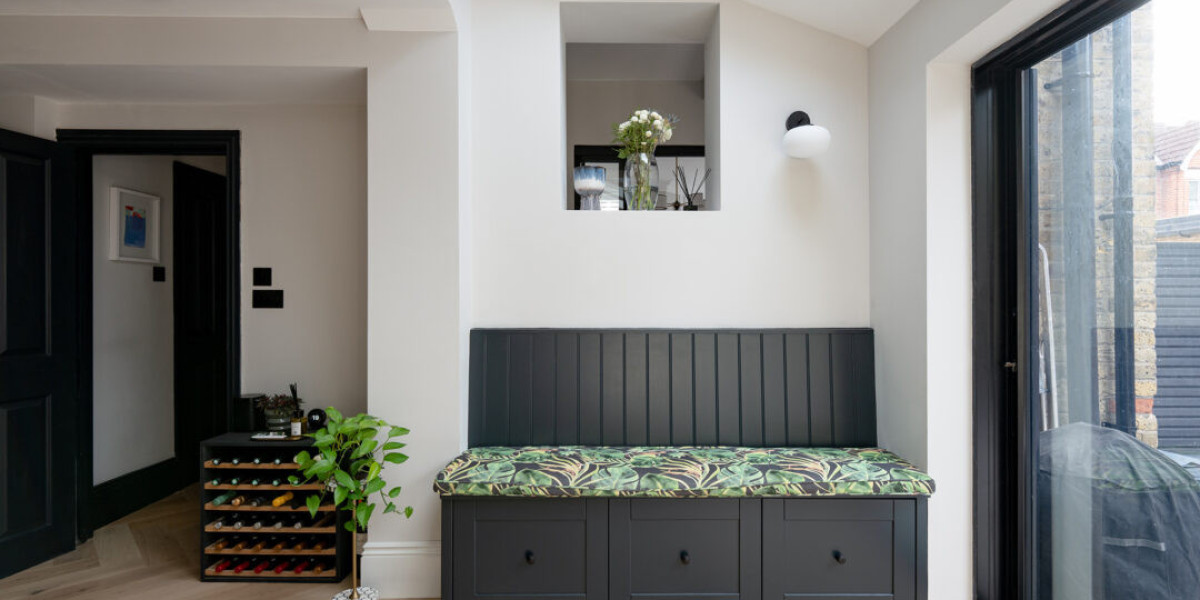
If there's one furniture style that has proven it's more than a passing trend, it's farmhouse. There's something about the combination of worn wood, natural textures, and simple, purposeful design that feels genuinely timeless. A farmhouse storage bench sits right at the center of that aesthetic — it's useful, it's warm, and it looks like it belongs.
Whether you're going for a full-on farmhouse look throughout your home or just want a few pieces that bring that relaxed, lived-in energy to a room, a storage bench done in this style is one of the easiest wins you can score. Let's talk about what defines the farmhouse look, and how to get it right.
Defining the Farmhouse Aesthetic
Farmhouse style is built on the idea that things should look like they've been around a while — and that's a good thing. Worn edges, knotty wood grain, slightly imperfect finishes, and materials that patina with age are all part of the appeal. It celebrates imperfection rather than hiding it.
Color palettes tend to run to whites, creams, warm grays, and natural wood tones. Metal accents in black, bronze, or aged iron fit in naturally. Fabrics lean toward grain sack stripes, ticking, buffalo check, linen, and cotton — nothing too sleek or shiny.
The farmhouse bench, specifically, often features visible joinery, plank-style construction, turned or tapered legs, shiplap-style panels on the sides or back, and hardware with a handmade-feeling quality. It doesn't have to be old to look old — and that's half the fun.
Wood Choices That Set the Tone
Reclaimed Wood
If you can get your hands on genuine reclaimed wood — old barn boards, salvaged flooring, timber from a demolished building — it's the gold standard for farmhouse benches. The color variation, nail holes, saw marks, and weathering tell a real story, and no amount of artificial distressing fully replicates it.
Reclaimed wood does require more prep work and often needs treatment to be usable as furniture. It may have old nails or hardware embedded in it, surfaces that need planing, or dimensional irregularities that require adjustment. But the result is furniture with genuine character that simply can't be faked.
Pine
Pine is the most widely used wood in farmhouse-style furniture, and for good reason. It's relatively affordable, takes paint and stain beautifully, and has a natural grain and knot pattern that looks perfectly at home in a rustic aesthetic. It does dent and scratch more easily than hardwoods — but in farmhouse style, those dents and scratches are called character.
For a painted bench, regular pine is ideal. For a stained or natural-finish bench, look for select pine with fewer knots, or lean into a knotty pine finish which has its own charming, rustic quality.
White Oak and Poplar
If you want farmhouse style but with more durability, white oak hits beautifully. Its open grain takes stain in ways that almost look aged from the start, and it's tough enough for heavy daily use. Poplar is another good option — less expensive, accepts paint exceptionally well, and makes beautiful pieces when finished in chalky whites or soft grays.
Design Elements That Nail the Look
Shiplap and Board-and-Batten Paneling
Adding shiplap paneling to the sides and back of a storage bench immediately evokes that classic farmhouse quality. The horizontal boards with their slight reveals catch light in a way that gives depth and texture to what would otherwise be a flat panel. It's a simple woodworking technique that makes a dramatic visual difference.
Board-and-batten, where vertical boards are covered at the seams by narrower strips called battens, works just as well and leans slightly more formal. Either approach reads as farmhouse without being fussy.
Turned Legs and Bun Feet
Legs with traditional turning — the kind you see on old Victorian furniture — have been adopted enthusiastically into modern farmhouse style because they suggest age and craftsmanship. Short, squat turned legs in a dark stain or flat black paint against a white or cream-painted bench body is one of the most recognizable farmhouse combinations.
Bun feet — the short, rounded ball-shaped feet often seen on older furniture — are another classic choice. They're unpretentious, traditional, and work in almost any farmhouse setting.
Distressing Techniques
If you're building or refinishing a bench yourself, a few distressing techniques can add years of apparent life to a fresh piece. Light sanding at the edges and corners to expose wood beneath the paint, a few strategically placed dents (carefully made with a chain or a set of keys), and a dark wax or glaze rubbed into crevices all contribute to that aged, authentic look.
Don't overdo it. The goal is to look naturally worn, not vandalized. Less is genuinely more here — real old furniture has wear patterns that make sense, concentrated in places where hands and friction naturally occur.
Farmhouse Bench Styles for Different Spaces
The Entryway Bench With Hooks
This is probably the quintessential farmhouse bench setup. A wooden bench with plank-style construction and a hinged lid for storage, positioned below a row of black iron hooks or a hook-rail, with perhaps a small shelf above for hats and baskets — it's both practical and aesthetically on-point.
For this setting, use durable, easy-clean materials for the seat. A painted finish is ideal because it can be wiped clean and touched up if needed. A removable seat cushion in a durable fabric like canvas or outdoor fabric adds comfort without being precious.
The Mudroom Bench With Cubbies
In a mudroom, a farmhouse bench often extends into a fuller built-in setup — storage cubbies for each family member, hooks above, a bench seat running the full length, and baskets in the open cubbies below. Done in white-painted wood with black hardware, it's clean, organized, and endlessly charming.
Adding chalk labels or personalized name plates to each cubby pushes the farmhouse authenticity further and makes it practical for families with kids.
The Living Room or Bedroom Bench
In a living room, a farmhouse storage bench at the foot of a couch or against a wall works as a coffee table alternative, extra seating, and storage for throws and remotes. In a bedroom, at the foot of the bed, it's a spot to sit while getting dressed, a place to stow extra blankets, and a decorative anchor.
For these spaces, a more finished look within the farmhouse style works well — think solid wood with a clear coat or light stain, clean joinery, and a cushion in a soft linen or cotton fabric rather than full rustic distressing.
Accessorizing the Farmhouse Bench
What you put on and around the bench matters just as much as the bench itself. A few galvanized metal buckets, a wooden tray with some greenery, a folded grain sack throw, a small woven basket for odds and ends — these elements tie the bench into the broader farmhouse aesthetic and make it feel styled rather than simply placed.
Avoid over-accessorizing. Farmhouse style is meant to look collected and lived-in, not curated to within an inch of its life. If it looks too perfect, it looks fake. Leave a little breathing room and let the wood and materials speak.
DIY vs. Buying
Farmhouse benches are among the more achievable DIY furniture projects. The style welcomes rough edges and visible construction, which takes a lot of pressure off getting everything perfect. A basic plywood carcass with a solid wood face frame, turned legs from the hardware store, shiplap panels on the sides, and a coat of chalk paint gets you 90% of the way there for a fraction of the retail price.
If you're buying, look at brands that specialize in farmhouse and cottage aesthetics. Expect to pay more for solid wood construction over engineered wood with a wood-look finish — the difference in longevity and authenticity is real.
Closing Thoughts
A farmhouse storage bench is one of those pieces that makes a room feel more like a home. It has warmth, history, and character in a way that sleek contemporary furniture often doesn't. And because it also serves a real, practical purpose, it earns its place every day.
Whether you build it, buy it, or find a gem at a flea market and refinish it yourself, the farmhouse bench is one of the most rewarding home decor investments you can make. It's furniture with soul — and that's something worth having.






