
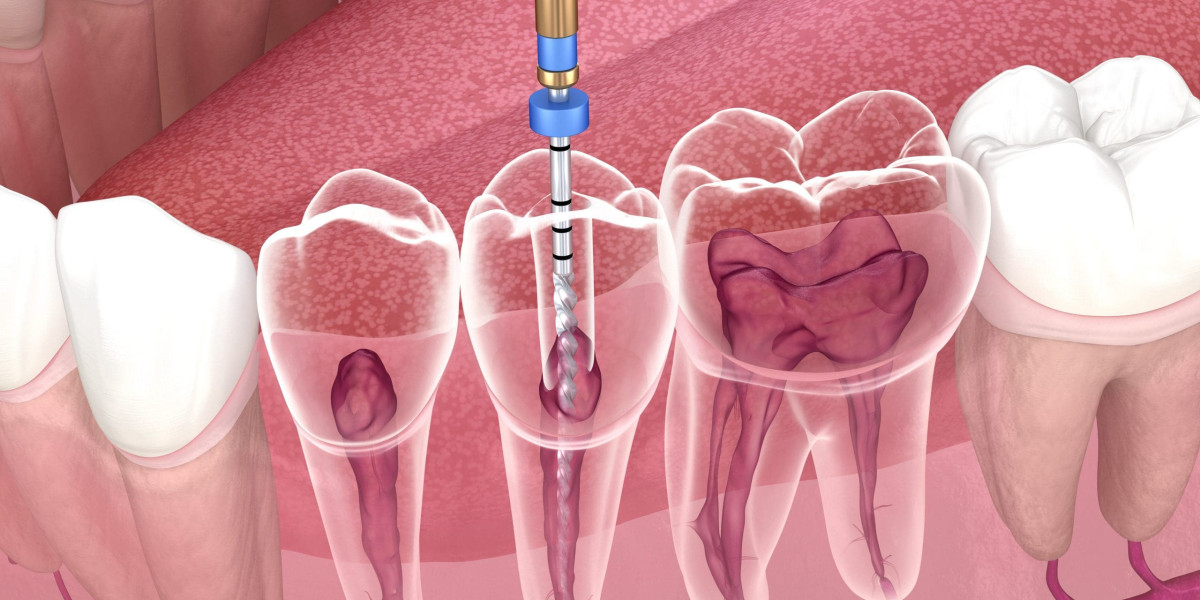
Dental pain can be one of the most uncomfortable experiences a person faces. When tooth decay, infection, or trauma reaches the inner layers of a tooth, specialized dental care is often required to save it. This is where endodontics plays a crucial role. Endodontics is a branch of dentistry dedicated to diagnosing and treating issues affecting the dental pulp and tissues surrounding the roots of teeth.
Many people associate endodontics with root canal treatment, but the field encompasses much more. Understanding what endodontics involves and how root canal therapy works can help patients make informed decisions about their oral health and overcome common misconceptions about treatment.
Understanding Endodontics
Endodontics is a dental specialty focused on the soft tissue inside the tooth, known as the pulp. The pulp contains nerves, blood vessels, and connective tissue that help the tooth develop during its early stages. Once a tooth is fully mature, it can continue to function even if the pulp is removed because surrounding tissues provide nourishment.
An endodontist is a dental professional who receives advanced training beyond dental school to diagnose tooth pain and perform procedures that preserve natural teeth. Their expertise allows them to treat complex dental issues that affect the root canal system and surrounding structures.
The primary goal of endodontic treatment is to save natural teeth whenever possible. Preserving the original tooth helps maintain proper chewing function, natural appearance, and overall oral health.
What Is a Root Canal?
A root canal is one of the most common endodontic procedures. It is performed when the pulp inside a tooth becomes inflamed, infected, or damaged. This can occur due to deep decay, repeated dental procedures, cracks, chips, or trauma.
During a root canal procedure, the infected or damaged pulp is carefully removed. The inside of the tooth is then cleaned, disinfected, and sealed to prevent future infection. In most cases, a dental crown is placed over the treated tooth to restore strength and functionality.
Root canal treatment is designed to eliminate pain and save the natural tooth rather than remove it.
Signs You May Need Root Canal Treatment
Several symptoms may indicate that a tooth requires endodontic care. While only a dental professional can provide a definitive diagnosis, common warning signs include:
Persistent Tooth Pain
Continuous or recurring tooth pain is one of the most common indicators of pulp infection. The discomfort may range from mild to severe and can worsen when chewing or applying pressure.
Sensitivity to Hot and Cold
If a tooth remains sensitive to hot or cold temperatures long after the stimulus is removed, it may signal nerve damage within the tooth.
Swollen or Tender Gums
Inflammation around a specific tooth can indicate an underlying infection that requires treatment.
Tooth Discoloration
A tooth that appears darker than surrounding teeth may have experienced internal damage or trauma affecting the pulp.
Pimple on the Gums
A small bump or abscess on the gums near the affected tooth may indicate a serious infection requiring immediate attention.
Common Causes of Pulp Damage
Understanding the causes of pulp damage can help patients take preventive measures to protect their oral health.
Deep Tooth Decay
Untreated cavities can penetrate through the enamel and dentin layers, eventually reaching the pulp and causing infection.
Cracked or Chipped Teeth
Physical damage to a tooth can expose the pulp to bacteria, increasing the risk of infection.
Repeated Dental Procedures
Multiple restorations on the same tooth can place stress on the pulp and lead to inflammation over time.
Dental Trauma
Accidents, sports injuries, or falls can damage the pulp even if the tooth does not appear visibly broken.
Severe Gum Disease
Advanced periodontal disease may contribute to infections that affect the tooth roots and surrounding tissues.
The Root Canal Procedure Explained
Many patients feel anxious when they hear the words "root canal," but modern techniques have made the procedure comfortable and highly effective.
Step 1: Examination and Diagnosis
The dentist or endodontist examines the affected tooth and may take digital X-rays to assess the extent of infection and determine the best treatment plan.
Step 2: Local Anesthesia
The treatment area is numbed using local anesthesia to ensure patient comfort throughout the procedure.
Step 3: Accessing the Tooth
A small opening is created in the top of the tooth to access the infected pulp chamber and root canals.
Step 4: Cleaning the Canals
Specialized instruments are used to remove infected tissue, clean the canals, and disinfect the inner tooth structure.
Step 5: Filling and Sealing
After cleaning, the canals are filled with a biocompatible material and sealed to prevent bacterial recontamination.
Step 6: Restoration
In most cases, a dental crown is recommended to protect the treated tooth and restore its full function.
Benefits of Root Canal Treatment
Root canal therapy offers numerous advantages compared to tooth extraction.
Preserves Natural Teeth
Saving a natural tooth helps maintain proper bite alignment and chewing efficiency.
Prevents Infection Spread
Removing infected tissue stops bacteria from spreading to neighboring teeth and surrounding tissues.
Restores Comfort
Root canal treatment eliminates the source of pain and allows patients to return to normal daily activities.
Maintains Natural Appearance
With a properly placed crown, the treated tooth looks and functions like a natural tooth.
Cost-Effective Long-Term Solution
Preserving a natural tooth often avoids the additional expenses associated with tooth replacement options.
Is Root Canal Treatment Painful?
One of the biggest myths surrounding root canals is that they are painful. In reality, modern root canal therapy is designed to relieve pain rather than cause it.
Advanced anesthetics, digital imaging, and improved treatment techniques have significantly enhanced patient comfort. Most individuals report that undergoing a root canal feels similar to receiving a routine dental filling.
Any mild discomfort following treatment can usually be managed with over-the-counter pain medications and typically subsides within a few days.
Recovery After a Root Canal
Recovery from root canal treatment is generally straightforward. Patients can usually return to normal activities shortly after the procedure.
To promote healing, patients should:
- Avoid chewing on the treated tooth until restoration is complete.
- Maintain good oral hygiene practices.
- Follow all post-treatment instructions provided by the dental professional.
- Attend follow-up appointments as recommended.
- Contact the dental office if unusual swelling or discomfort occurs.
Proper care helps ensure the long-term success of the treatment.
How Successful Are Root Canals?
Root canal procedures have an exceptionally high success rate. With proper treatment and ongoing oral care, many treated teeth can last a lifetime.
Advancements in endodontic technology have further improved outcomes, allowing specialists to diagnose and treat complex cases with remarkable precision. Patients seeking Endodontics in Glendale, AZ can benefit from modern techniques that prioritize comfort, accuracy, and long-term tooth preservation.
Tips for Preventing Future Root Canal Treatment
While not all dental issues can be prevented, several habits can reduce the risk of pulp damage and infection.
Practice Good Oral Hygiene
Brush twice daily, floss regularly, and use fluoride toothpaste to protect teeth from decay.
Schedule Regular Dental Visits
Routine checkups allow dentists to identify problems before they become severe.
Wear a Mouthguard
Protective mouthguards help prevent dental injuries during sports and recreational activities.
Avoid Chewing Hard Objects
Ice, hard candy, and other hard items can crack teeth and increase the risk of pulp damage.
Address Dental Problems Early
Prompt treatment of cavities, cracks, and gum disease can prevent infections from reaching the tooth pulp.
Conclusion
Endodontics is a specialized field of dentistry dedicated to saving natural teeth and relieving dental pain. Root canal treatment remains one of the most effective procedures for addressing infections and damage within the tooth's pulp. Despite common misconceptions, modern root canal therapy is safe, comfortable, and highly successful.
By understanding the signs of tooth infection, seeking timely treatment, and maintaining excellent oral hygiene, patients can protect their smiles and preserve their natural teeth for years to come. If you experience persistent tooth pain, sensitivity, or swelling, consulting a dental professional promptly can help prevent complications and ensure optimal oral health.






