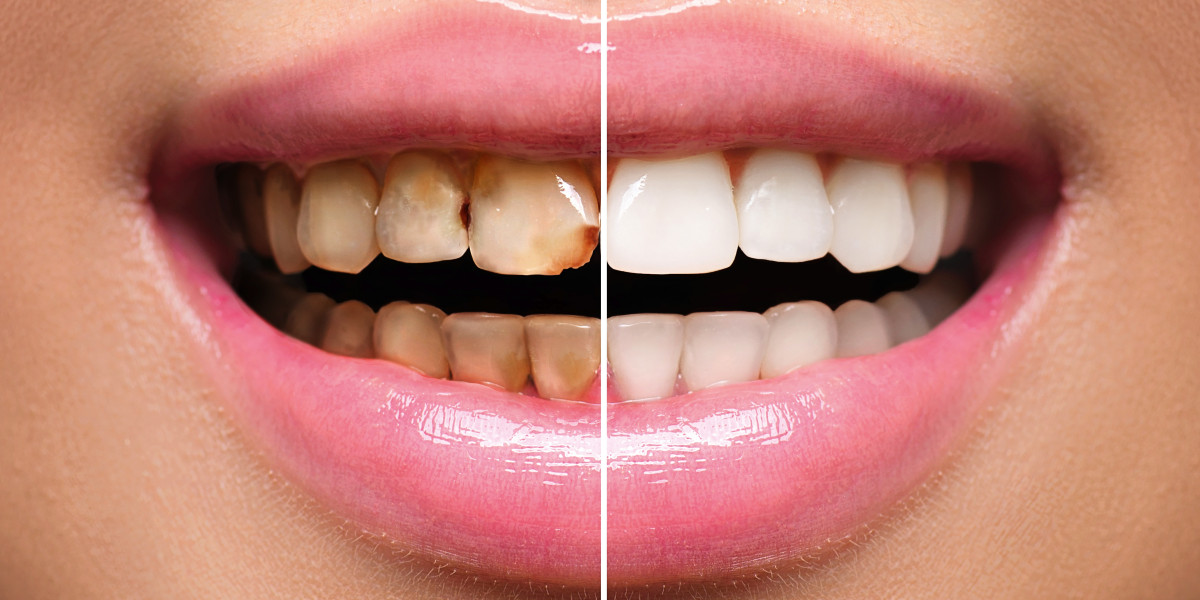
A healthy, attractive smile plays a major role in overall confidence and self-esteem. When teeth are damaged, decayed, worn down, or missing, it can affect not only oral health but also how a person feels about their appearance in social and professional settings. Restorative dentistry focuses on rebuilding damaged teeth and restoring both function and aesthetics, helping patients regain a natural-looking, confident smile.
Modern restorative dental treatments are highly advanced, comfortable, and designed to blend seamlessly with natural teeth. Whether repairing a single tooth or rebuilding an entire smile, restorative dentistry offers solutions that improve oral health while enhancing appearance.
What Is Restorative Dentistry?
Restorative dentistry is a branch of dentistry that focuses on diagnosing, treating, and restoring teeth that are damaged, decayed, or missing. The goal is to restore proper function while maintaining or improving the natural appearance of the smile.
Unlike purely cosmetic treatments that focus only on appearance, restorative dentistry ensures that teeth are strong, functional, and healthy. It combines science, precision, and aesthetics to rebuild smiles that look natural and feel comfortable.
Why Restorative Dentistry Matters for Confidence
A smile is often one of the first things people notice. When dental issues are present, individuals may feel self-conscious or avoid smiling altogether. Restorative dentistry addresses these concerns by improving both the structure and appearance of teeth.
Emotional Impact of Dental Problems
Dental imperfections can lead to:
- Reduced self-confidence
- Social anxiety
- Reluctance to smile or speak freely
- Negative self-image
By restoring damaged teeth, patients often experience a significant boost in confidence and overall quality of life.
Physical and Functional Improvement
Beyond appearance, damaged teeth can cause:
- Difficulty chewing
- Speech issues
- Jaw discomfort
- Bite misalignment
Restorative treatments help correct these problems, improving everyday function.
Common Causes of Tooth Damage
Understanding why teeth become damaged helps highlight the importance of restorative care.
Tooth Decay
Untreated cavities can progress and weaken tooth structure over time.
Trauma or Injury
Accidents, falls, or sports injuries can chip, crack, or break teeth.
Wear and Tear
Years of grinding or clenching can wear down enamel and change tooth shape.
Gum Disease
Advanced periodontal disease can lead to tooth instability or loss.
Aging
Natural aging can affect enamel strength and tooth appearance.
Restorative dentistry provides solutions for all of these conditions, helping patients regain a healthy smile.
How Restorative Dentistry Improves Smile Aesthetics
Restorative treatments not only repair teeth but also enhance the overall appearance of the smile.
Natural-Looking Results
Modern materials such as porcelain and composite resin are designed to match natural tooth color, shape, and translucency. This allows restorations to blend seamlessly with existing teeth.
Improved Tooth Shape and Alignment
Restorative procedures can correct uneven, chipped, or misshapen teeth, creating a more balanced smile.
Restoring Missing Teeth
Missing teeth can significantly affect facial appearance. Restorative options fill gaps and support facial structure, preventing a sunken or aged look.
Whitening and Brightening Effects
Some restorative treatments improve the brightness of teeth by covering stains or replacing discolored structures.
Key Restorative Dentistry Procedures
Several treatments fall under the umbrella of restorative dentistry, each designed to address specific dental concerns.
Dental Fillings
Fillings are used to treat cavities and prevent further decay. Tooth-colored materials provide a natural appearance while restoring strength.
Dental Crowns
Crowns cover damaged or weakened teeth, restoring shape, size, and function. They are commonly used after root canals or severe decay.
Dental Bridges
Bridges replace one or more missing teeth by anchoring artificial teeth to adjacent natural teeth or implants.
Dental Implants
Implants are a long-term solution for missing teeth. They replace both the root and crown, offering stability and a natural feel.
Dentures
Partial or full dentures restore multiple missing teeth, improving chewing ability and appearance.
Inlays and Onlays
These restorations are used when damage is too extensive for a filling but not severe enough for a crown.
Restorative Dentistry and Confidence Restoration
One of the most significant benefits of restorative dentistry is its impact on self-confidence.
Psychological Benefits
Patients often report:
- Feeling more comfortable in social situations
- Smiling more frequently
- Increased self-esteem
- Reduced embarrassment about their teeth
A restored smile can positively influence both personal and professional interactions.
Improved Communication
Teeth play an important role in speech. Restorative treatments improve pronunciation and clarity, helping individuals communicate more confidently.
Enhanced First Impressions
A healthy smile contributes to positive first impressions in interviews, meetings, and social gatherings.
The Role of Restorative Dentistry in Oral Health
While aesthetics are important, restorative dentistry also plays a critical role in maintaining long-term oral health.
Preventing Further Damage
Treating decay or damage early prevents more serious complications such as infections or tooth loss.
Maintaining Proper Bite Alignment
Missing or damaged teeth can shift surrounding teeth, leading to misalignment. Restorations help maintain proper spacing and bite structure.
Supporting Gum Health
Replacing missing teeth helps preserve gum tissue and prevents deterioration of surrounding structures.
The Treatment Process Explained
Restorative dentistry typically involves a series of steps to ensure successful outcomes.
Step 1: Examination and Diagnosis
A dentist evaluates oral health using X-rays, scans, and clinical exams.
Step 2: Treatment Planning
A personalized plan is created based on the patient’s needs and goals.
Step 3: Tooth Preparation
Damaged areas are cleaned or reshaped to prepare for restoration.
Step 4: Restoration Placement
The appropriate treatment—such as fillings, crowns, or implants—is completed.
Step 5: Final Adjustments
The restoration is adjusted for comfort, bite alignment, and appearance.
Advances in Modern Restorative Dentistry
Technology has significantly improved restorative dental care.
Digital Imaging
Digital scans provide accurate impressions for better-fitting restorations.
Stronger Materials
Modern ceramics and composites offer durability and natural aesthetics.
Minimally Invasive Techniques
New techniques preserve more natural tooth structure during treatment.
Faster Recovery Times
Advanced methods reduce discomfort and improve healing.
Patients seeking Restorative Dentistry in Lake Havasu City, AZ can benefit from these modern advancements, ensuring comfortable treatments and long-lasting results.
Maintaining Restorative Dental Work
Proper care is essential for long-lasting results.
Daily Oral Hygiene
Brushing twice daily and flossing helps maintain restorations.
Regular Dental Checkups
Routine visits allow dentists to monitor and maintain restorations.
Healthy Diet Choices
Limiting sugary and acidic foods helps protect dental work.
Avoiding Harmful Habits
Chewing ice, biting hard objects, and teeth grinding can damage restorations.
Who Needs Restorative Dentistry?
Restorative dentistry is suitable for individuals with:
- Cavities or tooth decay
- Broken or chipped teeth
- Missing teeth
- Worn enamel
- Old or failing dental work
Early treatment helps prevent further complications and improves long-term oral health.
Conclusion
Restorative dentistry plays a vital role in rebuilding both the function and appearance of damaged smiles. By repairing teeth, replacing missing ones, and restoring natural aesthetics, it helps patients regain confidence and improve overall quality of life.
Beyond appearance, restorative treatments strengthen oral health, improve chewing ability, and support long-term dental stability. With modern techniques and materials, patients can achieve natural-looking, durable results that enhance both smile aesthetics and self-esteem.
A restored smile is more than just cosmetic improvement—it is a transformation that positively impacts confidence, health, and everyday life.