
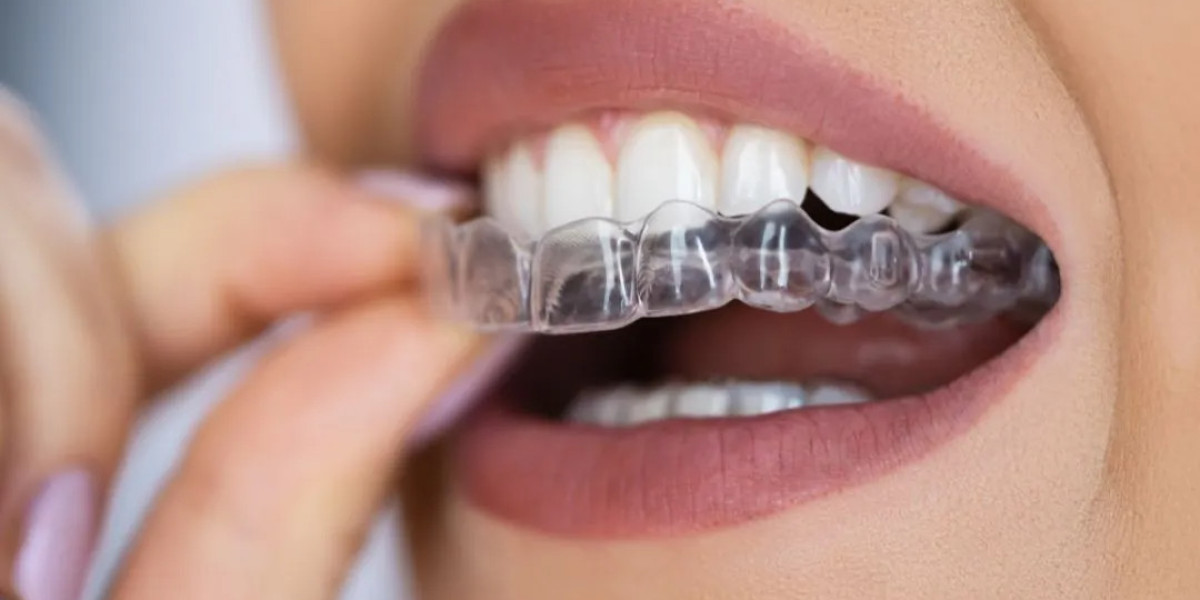
A straight, well-aligned smile is not only attractive but also essential for good oral health. Misaligned teeth can lead to difficulty cleaning, uneven wear, jaw discomfort, and even long-term dental issues. Clear aligners have become one of the most popular orthodontic treatments because they offer a discreet, comfortable, and effective way to straighten teeth without traditional metal braces.
Understanding how clear aligners work can help patients feel more confident about starting treatment and staying committed throughout the process. These transparent, removable trays gradually shift teeth into their ideal position using controlled, gentle pressure.
What Are Clear Aligners?
Clear aligners are custom-made, transparent plastic trays designed to move teeth gradually into proper alignment. Each set of aligners is slightly different, applying gentle pressure to specific teeth over time.
Unlike traditional braces, clear aligners do not use brackets or wires. Instead, they fit snugly over the teeth and are virtually invisible when worn.
They are commonly used to treat:
- Crowded teeth
- Gaps between teeth
- Overbite
- Underbite
- Crossbite
- Mild to moderate misalignment
Clear aligners are popular among both teens and adults due to their comfort and discreet appearance.
Step 1: Initial Consultation and Evaluation
The clear aligner process begins with a dental consultation. During this visit, the dentist or orthodontist evaluates your teeth, gums, and bite alignment.
What Happens During Consultation
- Oral examination
- Dental X-rays or digital scans
- Discussion of treatment goals
- Assessment of suitability for clear aligners
Not everyone is a candidate for clear aligners. Severe orthodontic issues may require alternative treatments. However, many mild to moderate cases can be successfully treated.
Step 2: Digital Scanning and Treatment Planning
If you are a suitable candidate, the next step involves creating a precise digital model of your teeth.
Advanced Imaging Technology
Instead of traditional molds, most providers use 3D scanning technology to capture accurate images of your teeth.
These digital scans are used to:
- Map tooth positions
- Plan gradual movements
- Predict final results
- Design custom aligners
Patients can often see a virtual preview of their smile transformation before treatment begins.
Step 3: Custom Aligner Fabrication
Once the treatment plan is finalized, a series of custom aligners is created.
How They Are Made
- High-quality medical-grade plastic is used
- Each aligner is slightly different from the previous one
- Each set is designed to move teeth incrementally
Typically, patients receive multiple sets of aligners at once or in stages, depending on the treatment plan.
Each aligner is numbered and must be worn in a specific order.
Step 4: Wearing the First Set of Aligners
When treatment begins, patients wear their first set of aligners as instructed by their provider.
Daily Wear Requirements
- Aligners should be worn 20–22 hours per day
- They should only be removed for eating, drinking (except water), brushing, and flossing
Consistency is essential for successful treatment. The more aligners are worn, the more predictable and effective the results.
Step 5: Gradual Tooth Movement
Clear aligners work by applying controlled pressure to specific teeth.
How Teeth Shift
- Each aligner moves teeth slightly
- After about 1–2 weeks, the next aligner is used
- This process continues until teeth reach their final position
The movement is gradual, which helps reduce discomfort compared to traditional braces.
Patients may feel mild pressure when switching to a new aligner, which is a normal sign that treatment is working.
Step 6: Regular Progress Checkups
Even though clear aligners require fewer office visits than braces, regular checkups are still important.
What Dentists Monitor
- Tooth movement progress
- Fit of aligners
- Oral health status
- Treatment timeline adjustments
These visits ensure everything is progressing as planned and allow for any necessary modifications.
Step 7: Switching to New Aligners
Every one to two weeks, patients switch to a new set of aligners.
Why Switching Matters
Each new aligner continues the progression of tooth movement. Skipping or delaying aligners can slow down results or affect alignment accuracy.
Patients are typically provided with a schedule to follow at home.
Step 8: Managing Comfort and Adjustments
Clear aligners are generally comfortable, but some patients experience mild pressure or tightness when switching trays.
Common Experiences
- Slight soreness for a few days
- Increased saliva production initially
- Mild speech adjustment period
These effects are temporary and usually improve as the mouth adjusts.
Step 9: Maintaining Oral Hygiene During Treatment
Good oral hygiene is essential during clear aligner treatment.
Cleaning Guidelines
- Brush after every meal before reinserting aligners
- Floss daily
- Clean aligners with recommended solutions or lukewarm water
- Avoid hot water, which can warp plastic
Poor hygiene can lead to plaque buildup, staining, or bad breath.
Step 10: Completing Treatment and Final Results
Once all aligners have been used, the teeth should be in their desired position.
Final Evaluation
The dentist will:
- Check bite alignment
- Evaluate smile aesthetics
- Confirm treatment success
In many cases, patients may require a short refinement phase for minor adjustments.
Step 11: Retainers for Long-Term Stability
After treatment, retainers are essential to maintain results.
Why Retainers Matter
Teeth naturally tend to shift back to their original positions over time. Retainers help prevent relapse and preserve alignment.
Patients are usually advised to wear retainers at night for long-term stability.
Benefits of Clear Aligners
Clear aligners offer several advantages over traditional braces:
Discreet Appearance
They are nearly invisible, making them ideal for adults and professionals.
Removable Design
Patients can eat and clean teeth without restrictions.
Improved Comfort
No metal brackets or wires reduce irritation.
Predictable Results
Digital planning allows precise control over tooth movement.
Better Oral Hygiene
Easier brushing and flossing during treatment.
Who Can Benefit from Clear Aligners?
Clear aligners are suitable for:
- Teens and adults with mild to moderate misalignment
- Patients seeking discreet orthodontic treatment
- Individuals with spacing or crowding issues
- Those who want removable orthodontic solutions
Patients seeking Clear Aligners in Phoenix, AZ can benefit from modern orthodontic technology designed to deliver efficient, comfortable, and visually appealing results.
Tips for Successful Treatment
To achieve the best results, patients should:
- Wear aligners consistently
- Follow switching schedules
- Maintain oral hygiene
- Attend all dental appointments
- Avoid smoking or staining beverages while wearing aligners
Consistency is the key to achieving a straight and healthy smile.
Conclusion
Clear aligners offer a modern, convenient, and discreet way to straighten teeth. By following a carefully designed step-by-step process, patients can achieve significant improvements in both smile aesthetics and oral health.
From initial consultation to final results and retention, each stage plays an important role in ensuring successful treatment. With proper care, discipline, and professional guidance, clear aligners can transform smiles comfortably and effectively, making them one of the most popular orthodontic options available today.






