
A healthy, well-aligned bite is essential for proper chewing, speaking, and long-term oral health. When teeth are crooked, crowded, or misaligned, it can lead to a variety of dental problems, including uneven wear, jaw pain, and difficulty maintaining good oral hygiene. Traditional braces remain one of the most effective orthodontic treatments for correcting these issues and creating a properly aligned smile.
For decades, traditional braces have helped millions of patients achieve healthier teeth and improved bite function. Despite advances in modern orthodontics, they continue to be a trusted solution for complex alignment issues due to their precision and reliability.
What Are Traditional Braces?
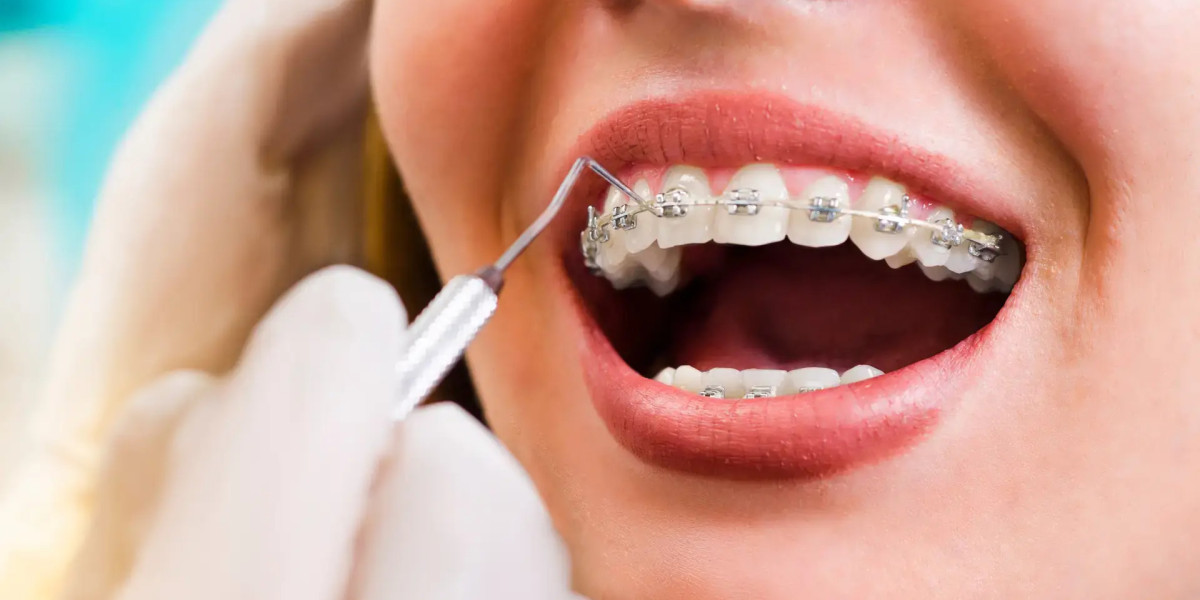
Traditional braces are orthodontic devices made up of metal brackets, wires, and elastic bands that work together to gradually move teeth into proper alignment. The brackets are bonded to each tooth, and an archwire connects them, applying controlled pressure over time.
This continuous pressure slowly shifts teeth into their ideal position, correcting both alignment and bite issues. Adjustments are made periodically by an orthodontist to ensure steady progress.
Traditional braces are commonly used to treat:
- Crowded teeth
- Gaps between teeth
- Overbite
- Underbite
- Crossbite
- Open bite
- Severe misalignment
They are highly effective for both simple and complex orthodontic cases.
Understanding Bite Alignment
Bite alignment refers to how the upper and lower teeth come together when the mouth is closed. A proper bite allows for efficient chewing, clear speech, and balanced jaw function.
Types of Bite Problems
- Overbite: Upper teeth overlap lower teeth excessively
- Underbite: Lower teeth extend beyond upper teeth
- Crossbite: Upper and lower teeth do not align properly side-to-side
- Open bite: Front teeth do not touch when biting down
If left untreated, bite issues can lead to long-term dental complications.
How Traditional Braces Correct Bite Alignment
Traditional braces work by applying consistent, gentle pressure to gradually reposition teeth and jaw alignment.
Step-by-Step Movement Process
- Brackets hold teeth in place
- Archwire guides movement direction
- Elastic bands assist in bite correction
- Adjustments ensure continuous progress
Over time, teeth shift into a healthier, more functional position, improving how the upper and lower jaws meet.
Improved Chewing Function
One of the most immediate benefits of traditional braces is improved chewing ability.
Why It Matters
When teeth are misaligned, chewing becomes uneven, which can:
- Strain certain teeth
- Cause jaw discomfort
- Lead to digestive issues from improper chewing
Once alignment improves, patients often notice easier and more comfortable chewing.
Reduced Tooth Wear and Damage
Misaligned teeth often rub against each other unevenly, leading to excessive wear.
How Braces Help
Traditional braces distribute bite pressure evenly across all teeth, preventing:
- Enamel erosion
- Chipping and cracking
- Premature tooth damage
This helps preserve natural teeth for longer periods.
Better Oral Hygiene
Crooked or crowded teeth are harder to clean properly, increasing the risk of dental issues.
Braces Improve Accessibility
As teeth gradually straighten:
- Brushing becomes more effective
- Flossing becomes easier
- Plaque buildup is reduced
This leads to improved oral hygiene and fewer cavities over time.
Prevention of Gum Disease
Misaligned teeth can trap food particles and bacteria, increasing the risk of gum disease.
Benefits of Alignment
Straight teeth allow gums to fit more securely around each tooth, reducing inflammation and infection risks such as:
- Gingivitis
- Periodontitis
- Gum recession
Healthy alignment supports long-term gum health.
Jaw Pain Relief and Improved Function
Bite misalignment can place stress on the jaw joints, leading to discomfort or temporomandibular joint (TMJ) issues.
How Braces Help Jaw Health
By correcting bite positioning, traditional braces:
- Reduce jaw strain
- Improve joint balance
- Decrease headaches caused by misalignment
Many patients experience noticeable relief as treatment progresses.
Enhanced Speech Clarity
Teeth play a significant role in pronunciation and speech clarity.
Speech Improvements
Misaligned teeth can cause:
- Lisping
- Difficulty pronouncing certain sounds
- Speech inconsistency
Correcting alignment helps improve articulation and clarity over time.
Long-Term Stability of Teeth
Once teeth are properly aligned, they are more stable and less likely to shift or cause future complications.
Benefits of Proper Alignment
- Reduced risk of relapse with retainers
- Improved bite balance
- Long-term oral stability
This ensures lasting results after treatment completion.
Traditional Braces vs Other Orthodontic Options
While clear aligners are popular, traditional braces remain superior in certain cases.
When Traditional Braces Are Preferred
- Severe misalignment
- Complex bite issues
- Rotated teeth
- Significant crowding
They offer more precise control for difficult orthodontic cases.
Patients considering Traditional Braces in Winslow, AZ can benefit from personalized orthodontic care designed to address both functional and aesthetic concerns.
Treatment Process Overview
Understanding the treatment journey helps patients prepare for what to expect.
Step 1: Initial Consultation
The orthodontist evaluates teeth, bite, and jaw structure.
Step 2: Placement of Braces
Brackets are attached and archwires installed.
Step 3: Regular Adjustments
Monthly visits help guide tooth movement.
Step 4: Progressive Alignment
Teeth gradually shift into correct positions.
Step 5: Braces Removal
Once alignment is complete, braces are removed and retainers are provided.
Oral Care During Braces Treatment
Proper care is essential for successful results.
Daily Care Tips
- Brush after every meal
- Use special orthodontic floss tools
- Avoid sticky and hard foods
- Attend regular dental checkups
Good hygiene ensures healthier teeth throughout treatment.
Common Challenges with Traditional Braces
While effective, braces require adjustment.
Possible Challenges
- Mild discomfort after adjustments
- Food restrictions
- Extra cleaning effort
- Temporary speech changes
These challenges usually decrease as patients adapt.
Psychological and Confidence Benefits
A straighter smile significantly improves self-esteem.
Emotional Impact
Patients often experience:
- Increased confidence
- Better social interactions
- Improved self-image
A healthy smile can positively influence many aspects of life.
Importance of Retainers After Treatment
Retainers are essential to maintain results after braces removal.
Why Retainers Matter
- Prevent teeth from shifting back
- Maintain bite alignment
- Preserve treatment results
Long-term success depends on consistent retainer use.
Conclusion
Traditional braces remain one of the most effective orthodontic treatments for improving bite alignment and overall dental health. By gradually repositioning teeth and correcting jaw alignment, they provide both functional and aesthetic benefits that last a lifetime.
From improved chewing and speech to better oral hygiene and reduced dental risks, braces offer a comprehensive solution for patients with alignment issues. With proper care and commitment, traditional braces can transform not only your smile but also your overall oral health and confidence.






