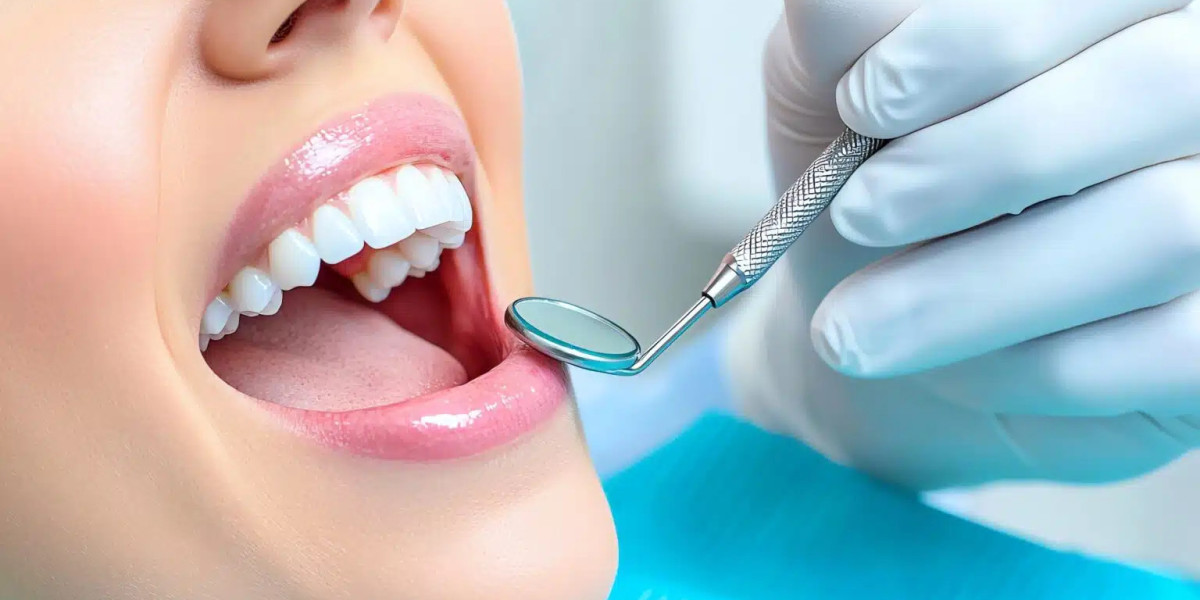
Maintaining a healthy smile involves more than brushing and flossing at home. While daily oral hygiene is essential, professional teeth cleaning plays a critical role in preventing dental problems and supporting overall health. Regular dental cleanings remove plaque, tartar, and stains that cannot be eliminated through routine brushing alone.
Many people view teeth cleaning as a simple cosmetic procedure, but its benefits extend far beyond appearance. Professional cleanings help prevent oral diseases, support overall wellness, and boost self-confidence by keeping your smile bright and healthy. Understanding the importance of regular teeth cleaning can motivate patients to make preventive dental care a priority.
What Is Professional Teeth Cleaning?
Professional teeth cleaning is a preventive dental procedure performed by a dentist or dental hygienist. The process involves removing plaque, tartar, and surface stains from the teeth while evaluating overall oral health.
Even with excellent brushing and flossing habits, plaque can accumulate in hard-to-reach areas of the mouth. Over time, this plaque hardens into tartar, which can only be removed with professional dental instruments.
Routine cleanings are typically recommended every six months, although some patients may require more frequent visits depending on their oral health needs.
Why Regular Teeth Cleaning Is Important
Professional cleanings serve as the foundation of preventive dentistry. They help identify potential issues early and reduce the risk of serious dental complications.
Regular teeth cleaning can:
- Prevent cavities
- Reduce the risk of gum disease
- Remove tartar buildup
- Improve breath freshness
- Enhance smile appearance
- Support overall health
These benefits contribute to healthier teeth, healthier gums, and greater confidence.
Removes Plaque and Tartar Buildup
One of the primary benefits of professional teeth cleaning is the removal of plaque and tartar.
What Is Plaque?
Plaque is a sticky film of bacteria that constantly forms on the teeth. If not removed through brushing and flossing, plaque can contribute to tooth decay and gum disease.
What Is Tartar?
When plaque hardens, it becomes tartar. Unlike plaque, tartar cannot be removed with a toothbrush and requires professional cleaning.
Removing plaque and tartar helps protect teeth and gums from damage while maintaining a healthier oral environment.
Helps Prevent Cavities
Cavities are among the most common dental problems worldwide.
How Cleanings Reduce Cavity Risk
Professional cleanings remove harmful bacteria and plaque that contribute to enamel erosion and tooth decay.
By reducing bacterial buildup, routine cleanings help:
- Strengthen oral health
- Minimize cavity formation
- Protect tooth enamel
Preventing cavities often reduces the need for more extensive dental treatments in the future.
Reduces the Risk of Gum Disease
Gum disease is a serious condition that can lead to tooth loss if left untreated.
Early Signs of Gum Disease
Common symptoms include:
- Red or swollen gums
- Bleeding during brushing
- Persistent bad breath
- Gum tenderness
Professional teeth cleaning helps remove bacteria and plaque along the gumline, reducing inflammation and lowering the risk of gingivitis and periodontal disease.
Healthy gums provide essential support for strong teeth and long-term oral health.
Improves Breath Freshness
Persistent bad breath, also known as halitosis, is often caused by bacteria trapped in plaque and tartar deposits.
Benefits for Breath
Professional cleaning removes many of the odor-causing bacteria that contribute to chronic bad breath.
Combined with good oral hygiene habits, regular cleanings can help patients enjoy fresher breath and increased confidence during social interactions.
Enhances Smile Appearance
One of the most noticeable benefits of professional cleaning is a brighter, cleaner smile.
Stain Removal
Dental cleanings help remove surface stains caused by:
- Coffee
- Tea
- Red wine
- Tobacco products
- Certain foods
Although cleanings are not the same as whitening treatments, they can significantly improve the appearance of teeth by removing discoloration and buildup.
A cleaner smile often contributes to a more youthful and healthy appearance.
Supports Overall Health
Oral health and overall health are closely connected.
The Mouth-Body Connection
Research suggests links between gum disease and various systemic health conditions, including:
- Heart disease
- Diabetes
- Respiratory infections
- Stroke
- Pregnancy complications
Maintaining good oral hygiene through regular cleanings may help reduce inflammation and support overall wellness.
A healthy mouth contributes to a healthier body.
Early Detection of Dental Problems
Routine dental cleanings include oral examinations that allow dentists to detect problems before they become severe.
Conditions Often Identified Early
- Cavities
- Gum disease
- Oral infections
- Tooth fractures
- Oral cancer signs
Early diagnosis often leads to simpler, less expensive treatment options and better long-term outcomes.
Saves Money in the Long Run
Preventive care is often far more affordable than restorative treatment.
Cost Benefits of Regular Cleanings
By preventing serious dental issues, routine cleanings can reduce the need for:
- Fillings
- Root canals
- Crowns
- Periodontal treatments
- Tooth extractions
Investing in preventive dental care today can help avoid costly procedures later.
Boosts Self-Confidence
A healthy smile can have a powerful impact on self-esteem.
Psychological Benefits
Patients often report:
- Greater confidence when smiling
- Improved social interactions
- Better professional impressions
- Increased self-esteem
Knowing your teeth are clean and healthy can make you feel more comfortable in both personal and professional settings.
What Happens During a Professional Teeth Cleaning?
Understanding the cleaning process can help patients feel more comfortable about scheduling appointments.
Initial Examination
The dental professional examines the teeth and gums for signs of disease or other concerns.
Plaque and Tartar Removal
Specialized instruments are used to carefully remove plaque and hardened tartar.
Polishing
The teeth are polished to remove surface stains and smooth enamel surfaces.
Flossing
Professional flossing removes debris between teeth and ensures thorough cleaning.
Fluoride Treatment (Optional)
Some patients may receive fluoride treatment to strengthen enamel and reduce cavity risk.
The entire process is generally comfortable and typically takes less than an hour.
How Often Should You Get Your Teeth Cleaned?
Most dentists recommend professional cleanings every six months.
Some Patients May Need More Frequent Visits
Individuals with certain risk factors may benefit from more frequent cleanings, including:
- Gum disease history
- Heavy tartar buildup
- Smoking habits
- Diabetes
- Orthodontic appliances
Your dentist can recommend the ideal cleaning schedule based on your specific needs.
Patients seeking Teeth Cleaning in Peoria, AZ can benefit from regular preventive care that helps maintain both oral health and overall wellness while keeping their smiles looking their best.
Tips for Maintaining Results Between Cleanings
Professional cleanings are most effective when combined with proper at-home care.
Brush Twice Daily
Use fluoride toothpaste and brush for at least two minutes.
Floss Every Day
Flossing removes plaque and food particles from between teeth.
Limit Sugary Foods and Drinks
Reducing sugar intake helps prevent bacterial growth and tooth decay.
Stay Hydrated
Water helps wash away food particles and supports saliva production.
Visit Your Dentist Regularly
Routine checkups ensure ongoing oral health and allow early detection of problems.
Common Myths About Teeth Cleaning
Myth: Brushing Alone Is Enough
While brushing is essential, it cannot remove hardened tartar.
Myth: Teeth Cleaning Is Painful
Most professional cleanings are comfortable and involve minimal discomfort.
Myth: Cleanings Damage Enamel
Professional cleanings are designed to protect teeth and improve oral health.
Understanding these facts encourages patients to prioritize preventive dental care.
Conclusion
Regular teeth cleaning is one of the most important steps you can take to protect your oral health and enhance your confidence. Beyond creating a cleaner, brighter smile, professional cleanings help prevent cavities, reduce gum disease risk, improve breath freshness, and support overall health.
By removing plaque and tartar, identifying potential problems early, and promoting healthier gums and teeth, routine dental cleanings provide long-term benefits that extend far beyond appearance. Combined with consistent at-home care, regular professional cleanings are a valuable investment in both your oral health and your overall well-being.
A healthy smile not only looks great but also contributes to greater confidence, better health, and improved quality of life.