
Vehicle owners often focus on oil changes, tire maintenance, and brake inspections, but many overlook one of the most important engine components—the timing belt. When a timing belt fails, it can lead to serious engine damage and expensive repairs. This is why investing in quality timing belt kits is essential for maintaining vehicle performance and reliability.
Many drivers do not realize that the timing belt works continuously whenever the engine is running. Over time, wear and tear can weaken the belt and related components. Replacing only the belt may not solve the problem if other parts in the system are also worn. A complete timing belt kit provides a practical solution by including multiple components designed to work together.
For fleet operators, repair shops, distributors, and vehicle owners, understanding the value of timing belt kits can help reduce maintenance costs and avoid unexpected breakdowns. Choosing the right kit at the right time can extend engine life and improve overall vehicle performance.
What Are Timing Belt Kits?
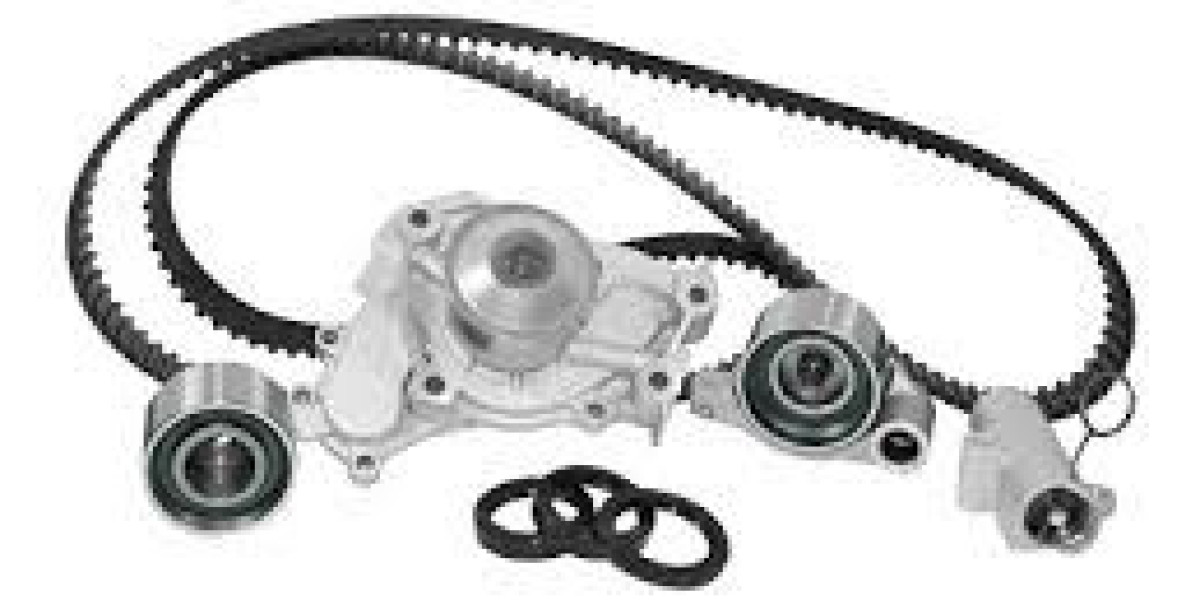
Timing belt kits are complete replacement packages that contain the essential components required for a timing belt service. Instead of purchasing individual parts separately, users receive a matched set designed to work together.
A standard timing belt kit may include:
- Timing belt
- Tensioner
- Idler pulleys
- Mounting hardware
- Seals or gaskets (in some kits)
Some advanced kits may also include a water pump, creating a complete engine timing system replacement solution.
Why Timing Belt Failure Is a Serious Problem
The timing belt synchronizes the movement of the crankshaft and camshaft. This synchronization allows engine valves and pistons to operate at the correct timing.
When the belt breaks or slips:
- Engine timing becomes incorrect
- Vehicle performance drops immediately
- The engine may stop running
- Internal engine components can collide
- Repair costs can become extremely high
In interference engines, timing belt failure can bend valves, damage pistons, and even require a complete engine rebuild.
Common Signs That a Timing Belt Needs Replacement
Many vehicle owners miss the early warning signs of timing belt wear. Recognizing these symptoms can help prevent major failures.
1. Unusual Engine Noise
A worn belt or damaged tensioner may create ticking or rattling sounds from the engine area.
2. Difficulty Starting the Engine
Incorrect timing can make engine startup more difficult than usual.
3. Engine Misfires
A slipping timing belt can affect valve timing, leading to poor combustion and misfires.
4. Reduced Engine Performance
Drivers may notice slower acceleration, rough operation, or decreased fuel efficiency.
5. Visible Belt Wear
Cracks, fraying, or glazing on the belt surface indicate that replacement is necessary.
Benefits of Using Complete Timing Belt Kits
Improved Reliability
All components are designed to work together, reducing compatibility issues and improving long-term reliability.
Reduced Maintenance Costs
Replacing related components at the same time helps avoid future labor costs associated with separate repairs.
Better Engine Performance
New belts, tensioners, and pulleys maintain accurate timing and support smooth engine operation.
Longer Service Life
A complete replacement minimizes the risk of premature component failure.
Increased Customer Satisfaction
For repair shops and service providers, complete timing belt kits help deliver dependable repairs and reduce warranty claims.
Timing Belt Kits vs Individual Components
Some vehicle owners choose to replace only the timing belt to save money. While this may appear economical initially, it often creates additional risks.
If an old tensioner or pulley fails after a new belt installation, the entire system may need to be serviced again. This increases labor costs and vehicle downtime.
Timing belt kits provide a more efficient solution because all critical wear components are replaced together. This approach helps ensure the timing system operates correctly throughout the recommended service interval.
How to Choose the Right Timing Belt Kit
Selecting the proper timing belt kit is important for achieving reliable results.
Consider the following factors:
Vehicle Compatibility
Always verify that the kit matches the vehicle's make, model, and engine type.
Material Quality
Look for belts made from durable rubber compounds reinforced with high-strength materials.
Manufacturer Reputation
Choose products from trusted suppliers with proven quality standards and industry experience.
Included Components
Review the contents carefully to ensure all necessary replacement parts are included.
Warranty Support
A reliable warranty demonstrates confidence in product quality and performance.
Best Practices for Timing Belt Maintenance
To maximize the lifespan of timing belt kits:
- Follow manufacturer replacement intervals
- Inspect the timing system during routine maintenance
- Replace worn pulleys and tensioners promptly
- Address coolant or oil leaks immediately
- Use high-quality replacement components
Preventive maintenance is far less expensive than repairing engine damage caused by timing belt failure.
Conclusion
Timing belt kits play a critical role in protecting engine performance, reliability, and longevity. Rather than replacing individual components, a complete kit offers a comprehensive solution that reduces maintenance risks and helps prevent costly engine repairs.
Whether you are a vehicle owner, automotive distributor, fleet manager, or repair professional, investing in quality timing belt kits can improve operational efficiency and provide long-term value. Regular inspections and timely replacement are the keys to keeping engines running smoothly and avoiding unexpected breakdowns.






