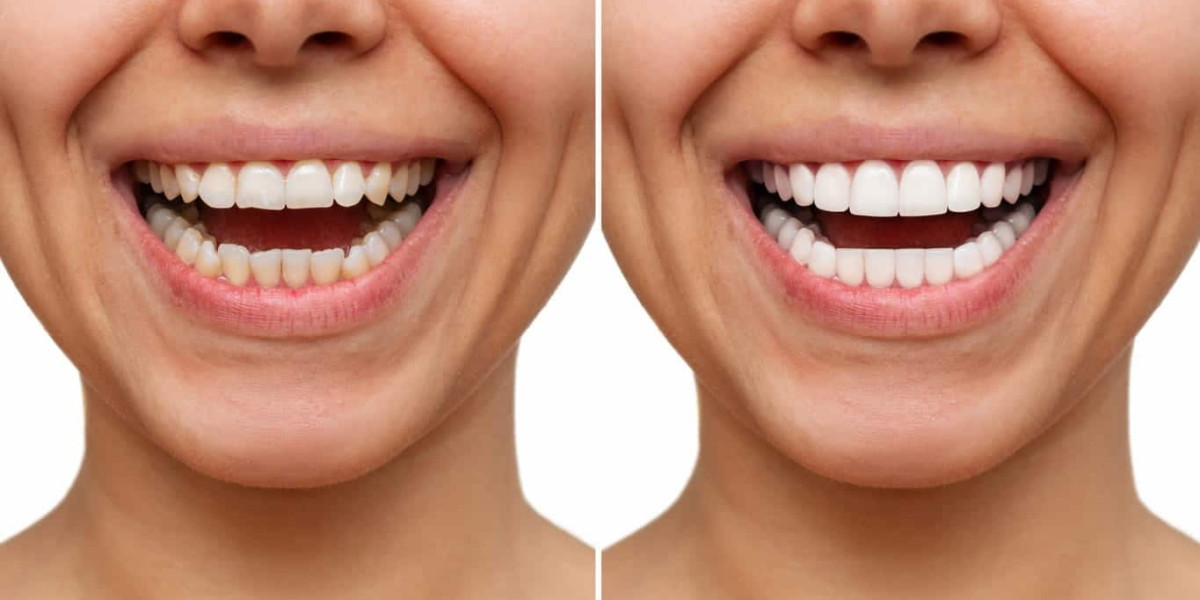
A bright, white smile is often associated with confidence, health, and attractiveness. As a result, teeth whitening has become one of the most popular cosmetic dental treatments worldwide. However, for individuals with sensitive teeth, the thought of whitening treatments can be concerning. Many people worry that whitening products may increase discomfort or cause pain during and after treatment.
The good news is that having sensitive teeth does not mean you have to give up on achieving a brighter smile. With modern dental advancements and proper precautions, there are several safe and effective whitening options designed specifically for people with tooth sensitivity. Understanding these options and following the right aftercare practices can help you enjoy whitening results while minimizing discomfort.
Understanding Tooth Sensitivity
Before exploring whitening options, it is important to understand what causes tooth sensitivity.
Tooth sensitivity occurs when the protective enamel layer becomes thinner or when gum recession exposes the tooth roots. These exposed areas contain microscopic channels that lead directly to the tooth's nerve center.
When exposed to certain triggers, individuals may experience discomfort or sharp pain.
Common Sensitivity Triggers
- Hot beverages
- Cold foods and drinks
- Sweet foods
- Acidic foods
- Cold air
- Certain dental products
Sensitivity levels vary from person to person, making individualized whitening approaches important.
Why Teeth Whitening Can Cause Sensitivity
Most whitening products contain active ingredients such as hydrogen peroxide or carbamide peroxide. These ingredients penetrate the enamel to break apart stain molecules.
While effective at whitening teeth, these ingredients may temporarily irritate the nerves inside the teeth, leading to increased sensitivity.
Temporary Side Effects
Some patients may experience:
- Mild tooth discomfort
- Increased sensitivity to temperature
- Gum irritation
- Temporary tingling sensations
Fortunately, these effects are usually short-lived and can often be minimized with proper treatment planning.
Is Teeth Whitening Safe for Sensitive Teeth?
In most cases, teeth whitening is safe for individuals with sensitive teeth when performed correctly.
The key is selecting the right whitening method and following professional recommendations. Many whitening systems are specifically designed to reduce sensitivity while still providing noticeable results.
Consulting a dental professional before beginning treatment can help identify the safest and most effective option for your situation.
Best Whitening Options for Sensitive Teeth
Not all whitening treatments affect sensitive teeth in the same way. Some options are gentler and better suited for individuals prone to discomfort.
Professional In-Office Whitening
Professional whitening performed by a dentist is often the safest and most effective choice for sensitive teeth.
Benefits of Professional Whitening
- Customized treatment plans
- Controlled whitening agent concentrations
- Professional monitoring
- Protective measures for gums and teeth
Dentists can adjust treatment intensity and use desensitizing products to reduce discomfort.
Because treatment is supervised, patients typically achieve excellent results with minimal risk.
Custom Take-Home Whitening Trays
Custom whitening trays provided by a dentist offer another effective option.
Advantages
- Personalized fit
- Lower concentration whitening gels
- Greater control over treatment duration
- Reduced gum irritation
Patients can whiten gradually, which often minimizes sensitivity compared to stronger over-the-counter products.
Whitening Toothpaste for Sensitive Teeth
Whitening toothpaste formulated for sensitivity can help improve tooth color gradually while protecting exposed nerves.
Features
- Mild polishing agents
- Potassium nitrate for sensitivity relief
- Gentle stain removal
Although results are not as dramatic as professional treatments, whitening toothpaste can be a good option for maintaining brightness.
Low-Concentration Whitening Products
Whitening products with lower peroxide concentrations may be suitable for individuals with mild sensitivity.
Benefits
- Reduced discomfort
- Slower whitening process
- Lower risk of irritation
Patience is important because results may take longer to achieve.
Desensitizing Treatments Before Whitening
Many dental professionals recommend addressing sensitivity before whitening begins.
Common Desensitizing Options
- Fluoride treatments
- Potassium nitrate gels
- Sensitivity toothpaste
- Professional desensitizing agents
These products help strengthen enamel and reduce nerve sensitivity before whitening procedures.
Whitening Methods to Use with Caution
Certain whitening methods may increase discomfort for sensitive teeth and should be approached carefully.
Whitening Strips
Whitening strips can be effective but may not fit all teeth evenly, potentially causing gum irritation and increased sensitivity.
High-Concentration Whitening Kits
Some over-the-counter products contain stronger whitening agents that may trigger discomfort.
Excessive Whitening
Frequent or prolonged whitening sessions can increase enamel irritation and sensitivity.
Always follow product instructions and avoid overuse.
Precautions Before Whitening Sensitive Teeth
Taking the proper precautions can significantly improve your whitening experience.
Schedule a Dental Examination
Before whitening, a dentist should evaluate your oral health.
Why This Matters
A dental examination can identify:
- Cavities
- Cracked teeth
- Gum recession
- Enamel erosion
- Existing sensitivity issues
Treating these conditions first can reduce the likelihood of whitening-related discomfort.
Use Sensitivity Toothpaste in Advance
Many dentists recommend using sensitivity toothpaste for several weeks before whitening treatment.
Benefits
- Reduces nerve sensitivity
- Strengthens enamel
- Improves comfort during whitening
Consistent use can make a noticeable difference in treatment tolerance.
Avoid Acidic Foods and Drinks
Acidic foods can weaken enamel and increase sensitivity.
Examples Include
- Citrus fruits
- Soda
- Sports drinks
- Vinegar-based foods
Reducing acidic exposure before and after whitening can help protect teeth.
Follow Product Instructions Carefully
Overusing whitening products does not produce faster results and may increase discomfort.
Always follow:
- Recommended application times
- Usage frequency guidelines
- Professional instructions
Proper use promotes safer and more effective whitening.
Tips for Managing Sensitivity After Whitening
Even with precautions, some temporary sensitivity may occur.
Continue Using Desensitizing Toothpaste
Sensitivity toothpaste remains beneficial after whitening treatment.
Benefits
- Soothes irritated nerves
- Provides ongoing protection
- Supports enamel health
Regular use can help reduce post-treatment discomfort.
Avoid Extreme Temperatures
For several days after whitening, avoid very hot or very cold foods and beverages.
Common Triggers
- Ice cream
- Hot coffee
- Cold drinks
- Hot soups
Choosing moderate-temperature foods can improve comfort during recovery.
Stay Hydrated
Adequate hydration supports oral health and saliva production.
Saliva helps:
- Neutralize acids
- Protect enamel
- Support natural remineralization
Drinking water also helps rinse away stain-causing substances.
Take Breaks Between Whitening Sessions
If sensitivity becomes noticeable, temporarily pause treatment and allow teeth time to recover.
Gradual whitening often produces better long-term results with fewer side effects.
Foods and Drinks That Cause Staining
After whitening, limiting stain-causing substances can help preserve results.
Common Culprits
- Coffee
- Tea
- Red wine
- Dark sodas
- Tobacco products
- Certain sauces
Reducing exposure to these substances helps maintain a brighter smile longer.
Long-Term Care for Sensitive Teeth
Maintaining healthy teeth is essential for lasting whitening success.
Practice Good Oral Hygiene
Brush twice daily and floss regularly.
Attend Routine Dental Visits
Regular checkups help identify issues before they worsen.
Use Soft-Bristled Toothbrushes
Gentle brushing protects enamel and reduces irritation.
Consider Professional Advice
Dentists can recommend maintenance strategies tailored to your sensitivity level.
Patients seeking Teeth Whitening in Phoenix, AZ can benefit from customized whitening solutions designed to brighten smiles while minimizing discomfort and protecting long-term oral health.
When to Consult a Dentist
While mild sensitivity is common, certain symptoms warrant professional evaluation.
Contact Your Dentist If You Experience
- Severe tooth pain
- Prolonged sensitivity
- Gum swelling
- Persistent irritation
- Sudden changes in oral health
Prompt evaluation ensures any underlying issues are addressed appropriately.
Conclusion
Sensitive teeth do not have to prevent you from achieving a brighter, more confident smile. With modern whitening options, professional guidance, and proper precautions, many individuals with sensitivity can safely enjoy the benefits of teeth whitening.
Choosing the right treatment method, preparing your teeth beforehand, and following recommended aftercare practices can significantly reduce discomfort while maximizing results. Whether you choose professional whitening, custom trays, or sensitivity-friendly products, a personalized approach is key to success.
By prioritizing oral health and working closely with a dental professional, you can achieve a whiter smile while keeping your teeth comfortable, healthy, and protected for years to come.