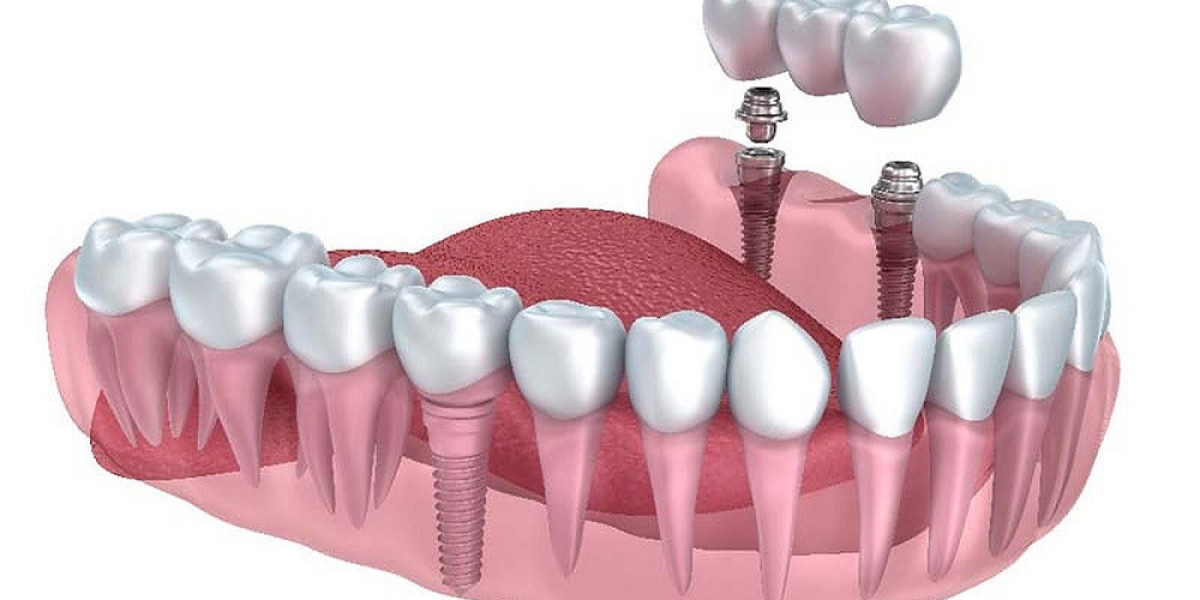
Dental implant restorations have transformed modern dentistry by providing reliable, functional, and aesthetically pleasing solutions for missing teeth. While advancements in technology, treatment planning, and clinical expertise contribute significantly to successful outcomes, one factor remains at the heart of every durable restoration: the quality of the materials used.
From implant abutments to crowns and bridges, every component plays a vital role in the performance and longevity of the final restoration. High-quality materials not only enhance the appearance of a patient's smile but also improve comfort, durability, and long-term oral health. As patient expectations continue to rise, dentists and dental laboratories must prioritize materials that deliver exceptional results.
Why Material Selection Matters
The success of an implant restoration depends on how well the restoration functions under daily stress. Patients rely on dental implants for eating, speaking, and smiling with confidence. Inferior materials may wear down prematurely, fracture under pressure, or fail to provide the desired aesthetic outcome.
Selecting premium materials helps ensure that restorations can withstand the forces of chewing while maintaining their structural integrity and appearance over time. High-quality materials are engineered to resist wear, staining, and environmental factors that can impact long-term performance.
Additionally, quality materials support predictable treatment outcomes, reducing the likelihood of complications and minimizing the need for future repairs or replacements.
Enhancing Strength and Durability
One of the primary advantages of using superior materials is enhanced strength. Implant restorations experience significant bite forces every day. Materials must be capable of handling these forces without cracking, chipping, or deforming.
Titanium has become a widely trusted material due to its exceptional strength and biocompatibility. It provides a stable foundation for implant-supported restorations and offers long-term reliability. Likewise, modern zirconia materials have gained popularity for their impressive durability and natural appearance.
By choosing materials specifically designed for implant restorations, dental professionals can provide patients with solutions that maintain functionality for many years.
Supporting Long-Term Oral Health
Successful implant restorations do more than replace missing teeth. They also contribute to overall oral health by preserving bone structure, supporting adjacent teeth, and maintaining proper bite alignment.
High-quality materials help achieve these goals by creating stable and precise restorations. Poorly manufactured or low-grade materials may not fit accurately, potentially leading to complications such as plaque accumulation, tissue irritation, or uneven bite forces.
Precision-crafted restorations made from premium materials support healthier gum tissue and encourage long-term implant stability. This helps patients maintain their oral health while reducing the risk of future dental issues.
The Importance of Biocompatibility
Biocompatibility is a critical consideration in implant dentistry. Since implant restorations remain in close contact with oral tissues for many years, materials must be safe, stable, and well-tolerated by the body.
Titanium remains one of the most trusted materials because of its proven ability to integrate with surrounding bone and tissue. Zirconia is another highly biocompatible option that offers excellent tissue response while providing an attractive aesthetic appearance.
Using biocompatible materials helps reduce the risk of adverse reactions and supports the long-term success of implant restorations.
Achieving Natural-Looking Results
Patients today expect dental restorations to look as natural as possible. A successful implant restoration should blend seamlessly with surrounding teeth, creating a smile that appears healthy and authentic.
Advanced ceramic and zirconia materials offer exceptional translucency, color matching, and lifelike aesthetics. These materials allow dental professionals to create restorations that closely mimic the appearance of natural enamel.
High-quality materials also maintain their color and surface finish over time, helping restorations retain their beauty for years after placement. This contributes significantly to patient satisfaction and confidence.
Precision and Fit for Better Outcomes
The fit of an implant restoration directly affects its function and longevity. Even small discrepancies can create issues that impact comfort, performance, and oral health.
Premium materials often work hand-in-hand with advanced manufacturing processes to achieve highly accurate restorations. Whether creating custom abutments, crowns, or implant-supported bridges, precision is essential.
Accurate restorations help distribute biting forces evenly, reduce mechanical stress, and improve overall stability. As a result, patients experience better comfort and more predictable long-term outcomes.
The Value of Custom Implant Components
Every patient presents unique anatomical characteristics and treatment requirements. Standardized solutions may not always provide the ideal fit or appearance.
Custom implant components manufactured from high-quality materials allow dental professionals to address individual patient needs more effectively. Customized abutments and restorations can improve emergence profiles, support healthy soft tissue development, and create more natural-looking results.
These personalized solutions often lead to enhanced function, aesthetics, and patient satisfaction compared to generic alternatives.
Reducing Maintenance and Repairs
Durability is a major concern for both patients and dental professionals. Restorations that require frequent repairs or replacement can create frustration and increase treatment costs over time.
High-quality materials are designed to resist wear, fracture, and discoloration. Their long-lasting performance helps minimize maintenance requirements and supports predictable clinical outcomes.
Investing in premium materials at the beginning of treatment often results in fewer complications and greater value over the lifespan of the restoration.
Meeting Modern Patient Expectations
Today's dental patients are more informed than ever before. They seek solutions that provide durability, comfort, aesthetics, and long-term value.
To meet these expectations, dental professionals must utilize materials that align with modern standards of quality and performance. Patients appreciate restorations that look natural, feel comfortable, and function reliably in everyday life.
Practices that prioritize premium materials often experience higher patient satisfaction, increased trust, and stronger long-term relationships with their patients.
For practices seeking advanced restorative options, working with experienced laboratory partners that provide high-quality Implant Solutions in Tempe, AZ can help support consistent clinical success and improved patient outcomes.
Building Confidence Through Quality
Every implant restoration represents an investment in a patient's oral health and quality of life. The materials selected for these restorations directly influence their durability, appearance, and overall success.
By choosing high-quality materials, dental professionals can deliver restorations that meet both functional and aesthetic expectations. From enhanced strength and biocompatibility to improved precision and longevity, premium materials provide the foundation for exceptional results.
As implant dentistry continues to evolve, the importance of material quality remains unchanged. Investing in superior materials supports predictable outcomes, healthier smiles, and greater patient confidence for years to come.
Conclusion
High-quality materials play a crucial role in every stage of implant restoration treatment. Their impact extends beyond aesthetics, influencing durability, fit, comfort, and long-term oral health. Whether used in implant abutments, crowns, or implant-supported bridges, premium materials help create restorations that perform reliably and look natural.
Dental professionals who prioritize quality materials are better positioned to achieve successful outcomes and exceed patient expectations. As the demand for implant restorations continues to grow, material selection will remain one of the most important factors in delivering lasting results and exceptional patient care.