
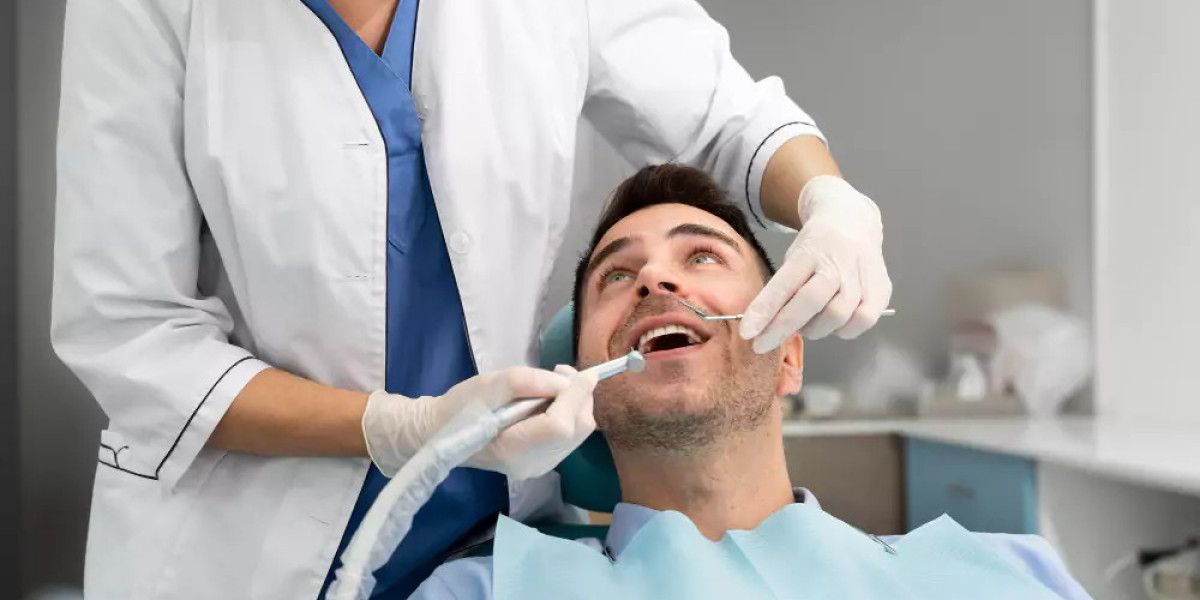
Maintaining a healthy smile goes far beyond brushing and flossing at home. Long-term oral health depends on consistent care, early detection, and proactive dental practices that prevent problems before they become serious. One of the most effective approaches to achieving this is preventive dentistry, which focuses on protecting teeth and gums from disease, decay, and other oral health issues.
Preventive dental care is not just about treating existing problems but stopping them from developing in the first place. With regular care, patients can avoid painful procedures, reduce dental costs, and maintain strong, healthy teeth throughout their lives.
What Is Preventive Dentistry?
Preventive dentistry refers to the combination of daily oral hygiene habits and professional dental care designed to prevent dental problems such as cavities, gum disease, enamel wear, and tooth loss.
It includes practices such as regular dental checkups, professional cleanings, fluoride treatments, sealants, and patient education. These services work together to maintain optimal oral health and reduce the risk of future complications.
By focusing on prevention rather than treatment, patients can enjoy healthier teeth and gums with fewer invasive procedures over time.
Why Preventive Care Matters
Dental problems often develop gradually. Many oral health conditions do not show obvious symptoms in the early stages, which means patients may not realize there is an issue until it becomes more serious.
Preventive care helps identify these problems early, allowing for timely intervention before they progress. Early detection can make treatment simpler, less expensive, and more effective.
In addition, maintaining good oral health is closely linked to overall health. Conditions such as gum disease have been associated with heart disease, diabetes, and other systemic health concerns.
Key Components of Preventive Dentistry
Preventive dentistry includes several essential components that work together to protect oral health.
Regular Dental Checkups
Routine dental exams are one of the most important aspects of preventive care. During these visits, dentists examine teeth, gums, and surrounding tissues for signs of decay, infection, or other abnormalities.
Early detection allows for quick treatment and helps prevent more serious complications.
Professional Dental Cleanings
Even with excellent home care, plaque and tartar can build up in hard-to-reach areas. Professional cleanings remove these deposits and help prevent cavities and gum disease.
Cleanings also help maintain fresh breath and a bright, healthy smile.
Fluoride Treatments
Fluoride strengthens tooth enamel and helps protect against decay. It is especially beneficial for children but can also support adult oral health.
Fluoride treatments help remineralize weakened enamel and reduce the risk of cavities.
Dental Sealants
Sealants are protective coatings applied to the chewing surfaces of molars. They help prevent food particles and bacteria from getting trapped in deep grooves, reducing the risk of decay.
Sealants are especially effective for children and teenagers but can benefit adults as well.
Daily Habits That Support Preventive Care
While professional treatments are important, daily oral hygiene plays a crucial role in maintaining dental health.
Patients should brush at least twice a day using fluoride toothpaste and floss daily to remove plaque from between teeth. Using mouthwash can also help reduce bacteria and freshen breath.
A balanced diet is equally important. Limiting sugary foods and acidic beverages helps prevent enamel erosion and tooth decay.
Staying hydrated supports saliva production, which naturally helps protect teeth against harmful bacteria.
The Connection Between Oral and Overall Health
Oral health is closely connected to overall health. Bacteria from gum disease can enter the bloodstream and contribute to inflammation in other parts of the body.
Research has shown links between poor oral health and conditions such as cardiovascular disease, respiratory infections, and diabetes complications.
This makes preventive dentistry not only important for a healthy smile but also for overall well-being.
Preventing Gum Disease
Gum disease is one of the most common oral health problems, but it is largely preventable with proper care.
Early stages of gum disease, known as gingivitis, can often be reversed with improved oral hygiene and professional cleanings. If left untreated, it can progress to periodontitis, which may lead to tooth loss.
Regular dental visits and proper brushing and flossing techniques are essential for preventing gum disease.
The Role of Early Detection
One of the biggest advantages of preventive care is early detection of potential problems.
Dentists can identify issues such as cavities, enamel wear, bite problems, and oral infections before they become severe. This allows for less invasive treatments and better long-term outcomes.
For example, a small cavity detected early may only require a simple filling, whereas delayed treatment could lead to root canal therapy or extraction.
Preventive Dentistry Across All Ages
Preventive care is important at every stage of life.
Children benefit from early dental visits that help establish good habits and prevent early tooth decay. Teenagers often benefit from sealants and fluoride treatments as they become more independent with their oral hygiene.
Adults require ongoing care to maintain gum health and prevent wear and tear, while older adults may need additional support to manage dry mouth and other age-related conditions.
Benefits of Preventive Dentistry
Preventive dental care offers numerous benefits, including:
- Reduced risk of cavities and gum disease
- Lower long-term dental costs
- Fewer emergency dental visits
- Improved overall health
- Better breath and oral hygiene
- Stronger teeth and gums
- Increased confidence in appearance
By investing in preventive care, patients can avoid many common dental problems and enjoy long-lasting oral health.
Building a Preventive Care Routine
Creating a consistent oral hygiene routine is essential for maintaining dental health.
A strong routine includes brushing, flossing, rinsing, healthy eating, and regular dental visits. When combined with professional care, these habits provide the best protection against dental problems.
Education also plays an important role. Understanding how oral health affects overall well-being helps motivate patients to maintain good habits.
Long-Term Value of Preventive Dentistry
Preventive care is one of the most cost-effective approaches to dental health. Treating advanced dental problems can be expensive and time-consuming, while prevention significantly reduces the likelihood of complex treatments.
By prioritizing regular care and early intervention, patients can maintain a healthy smile throughout their lives.
Many individuals seeking long-term dental wellness and guidance on preventive dentistry in Anthem, AZ benefit from consistent checkups and personalized care plans designed to protect their oral health.
Conclusion
Preventive dentistry is the foundation of lifelong oral health. By focusing on prevention rather than treatment, patients can avoid many common dental issues and maintain strong, healthy smiles.
Through regular checkups, professional cleanings, good daily habits, and early detection, preventive care offers lasting benefits for both oral and overall health.
Investing in preventive dentistry today leads to fewer complications, lower costs, and a healthier, more confident future.






