
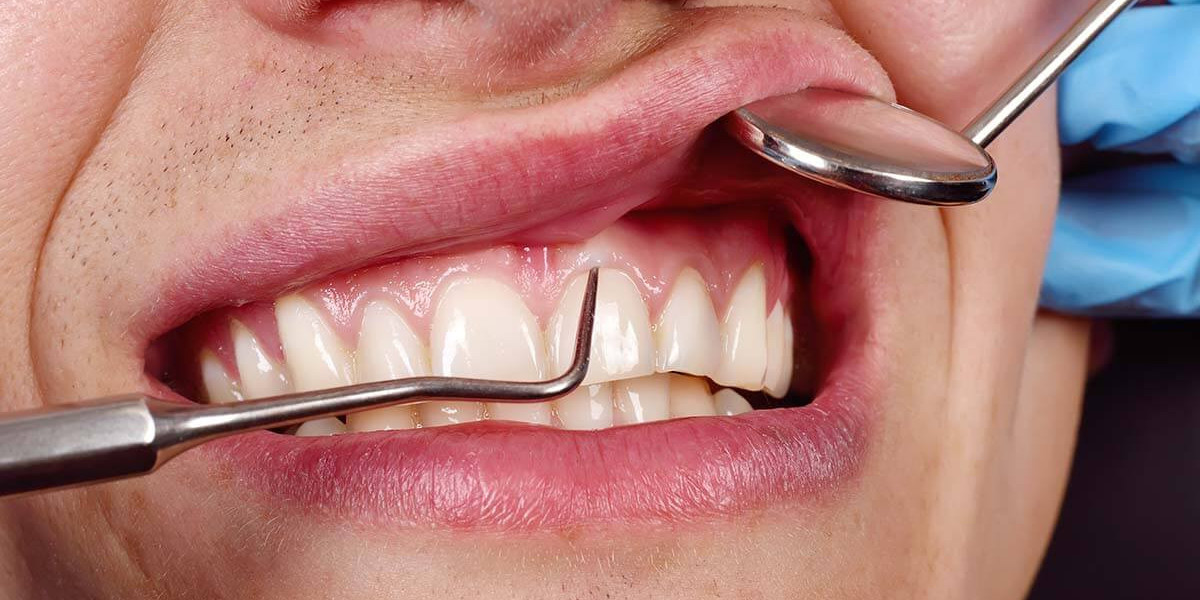
Healthy gums are the foundation of a healthy smile. While many people focus on brushing and maintaining their teeth, gum health is equally important for long-term oral wellness. The gums support the teeth, protect underlying bone structures, and play a critical role in maintaining overall oral health.
Unfortunately, gum disease is one of the most common oral health conditions affecting adults. It often develops gradually and can progress without causing significant discomfort in its early stages. Because symptoms may seem minor at first, many individuals delay seeking treatment until the condition becomes more severe.
Recognizing the warning signs early can help prevent serious complications such as gum recession, bone loss, and tooth loss. Understanding when professional care is necessary is one of the most important steps toward protecting your oral health.
For individuals experiencing persistent gum issues, seeking Periodontal Treatment in Hayward, CA can help address underlying problems before they progress into advanced periodontal disease.
Understanding Periodontal Disease
Periodontal disease is an infection and inflammation of the tissues that support the teeth. It begins when plaque and bacteria accumulate around the gumline. If not removed through proper oral hygiene and professional cleanings, plaque can harden into tartar, which contributes to gum irritation and infection.
The disease generally progresses through several stages:
Gingivitis
Gingivitis is the earliest stage of gum disease. It involves inflammation of the gums and is often reversible with professional treatment and improved oral hygiene.
Periodontitis
If gingivitis is left untreated, it can advance to periodontitis. At this stage, infection begins affecting the deeper supporting structures of the teeth, including bone and connective tissues.
Advanced Periodontitis
In severe cases, significant bone loss and tissue damage occur, increasing the risk of loose teeth and eventual tooth loss.
Early identification of symptoms can help prevent progression to advanced stages.
Bleeding Gums During Brushing or Flossing
One of the most common signs of developing gum disease is bleeding gums.
Many people assume occasional bleeding is normal, but healthy gums should not bleed during routine brushing or flossing. Bleeding often indicates inflammation caused by plaque buildup along the gumline.
If bleeding continues regularly despite proper oral hygiene, professional evaluation is recommended.
Persistent Bad Breath
Chronic bad breath, also known as halitosis, can sometimes signal underlying periodontal disease.
Bacteria trapped beneath the gums produce toxins and unpleasant odors. While mouthwash may temporarily mask the smell, it does not eliminate the source of the problem.
Persistent bad breath that does not improve with regular oral hygiene should be evaluated by a dental professional.
Red, Swollen, or Tender Gums
Healthy gums are typically firm and pink in appearance.
When gums become red, swollen, or tender, it often indicates inflammation. This is one of the earliest visible signs of gum disease.
Swelling occurs as the body's immune response attempts to fight bacterial infection. Without treatment, inflammation can worsen and contribute to tissue damage.
Gum Recession
Gum recession occurs when gum tissue pulls away from the teeth, exposing more of the tooth surface or even the root.
Common signs of recession include:
- Teeth appearing longer than normal
- Increased tooth sensitivity
- Visible root exposure
- Small notches near the gumline
Gum recession may result from periodontal disease, aggressive brushing habits, or other factors. Professional evaluation is necessary to determine the underlying cause.
Tooth Sensitivity
Increased sensitivity to hot, cold, sweet, or acidic foods can sometimes indicate gum problems.
As gums recede, tooth roots become exposed. Unlike enamel, root surfaces have less protection and are more susceptible to sensitivity.
Persistent sensitivity should not be ignored, particularly when accompanied by other symptoms of gum disease.
Loose or Shifting Teeth
Teeth should remain firmly anchored within the jawbone.
As periodontal disease progresses, infection can damage the bone and connective tissues that support teeth. This may cause teeth to become loose or shift position.
Changes in tooth alignment, bite patterns, or spacing between teeth often require immediate professional attention.
Pain While Chewing
Discomfort when chewing can sometimes be linked to advanced periodontal disease.
Inflammation, infection, and weakened support structures may create pressure around affected teeth during eating.
Pain while chewing should always be evaluated promptly to identify the source of the problem and prevent further damage.
Pus Around the Gumline
The presence of pus is a serious warning sign of infection.
Pus may appear between the gums and teeth and often indicates an active bacterial infection requiring immediate treatment.
This symptom should never be ignored, as untreated infections can spread and lead to more severe oral health complications.
Changes in Bite Alignment
Many patients are surprised to learn that gum disease can affect the way their teeth fit together.
As bone support decreases, teeth may gradually shift position. This can create noticeable changes in bite alignment and chewing comfort.
A changing bite often indicates underlying structural issues that require professional evaluation.
Increased Plaque and Tartar Buildup
Frequent plaque accumulation or visible tartar deposits near the gumline may increase the risk of periodontal disease.
Tartar cannot be removed through brushing alone and requires professional cleaning.
Regular dental visits help eliminate these deposits before they contribute to significant gum problems.
Risk Factors That Increase the Need for Treatment
Certain factors increase the likelihood of developing periodontal disease.
Common risk factors include:
- Poor oral hygiene habits
- Smoking and tobacco use
- Diabetes
- Hormonal changes
- Family history of gum disease
- Certain medications
- Chronic stress
Individuals with one or more risk factors should be especially vigilant about monitoring gum health.
How Professional Periodontal Treatment Helps
Professional periodontal treatment is designed to remove infection, reduce inflammation, and preserve the supporting structures of the teeth.
Treatment may include:
Scaling and Root Planing
This deep cleaning procedure removes plaque and tartar from below the gumline while smoothing root surfaces to encourage healing.
Periodontal Maintenance
Regular maintenance visits help control bacteria and prevent disease recurrence.
Antibiotic Therapy
In some cases, antimicrobial medications may be used to reduce bacterial infection.
Surgical Procedures
Advanced cases may require procedures such as gum grafting, flap surgery, or bone regeneration treatments.
The specific treatment plan depends on the severity of the condition and individual patient needs.
The Importance of Early Intervention
Early treatment offers the best opportunity to prevent long-term damage.
When periodontal disease is identified and treated in its early stages, many complications can be avoided. Delaying care increases the risk of permanent tissue destruction and tooth loss.
Routine dental examinations play a critical role in identifying gum disease before symptoms become severe.
Maintaining Healthy Gums After Treatment
Successful periodontal care requires ongoing maintenance and good oral hygiene habits.
Patients should:
- Brush twice daily
- Floss regularly
- Attend routine dental visits
- Avoid tobacco products
- Follow professional care recommendations
Consistent maintenance helps protect treatment results and supports long-term oral health.
Conclusion
Periodontal disease often develops quietly, making it essential to recognize early warning signs before significant damage occurs. Symptoms such as bleeding gums, swelling, recession, sensitivity, persistent bad breath, and loose teeth should never be ignored.
Professional periodontal treatment can help stop disease progression, restore gum health, and protect natural teeth from further damage. By seeking care early and maintaining good oral hygiene habits, patients can preserve both their smile and their overall oral health for years to come.






