
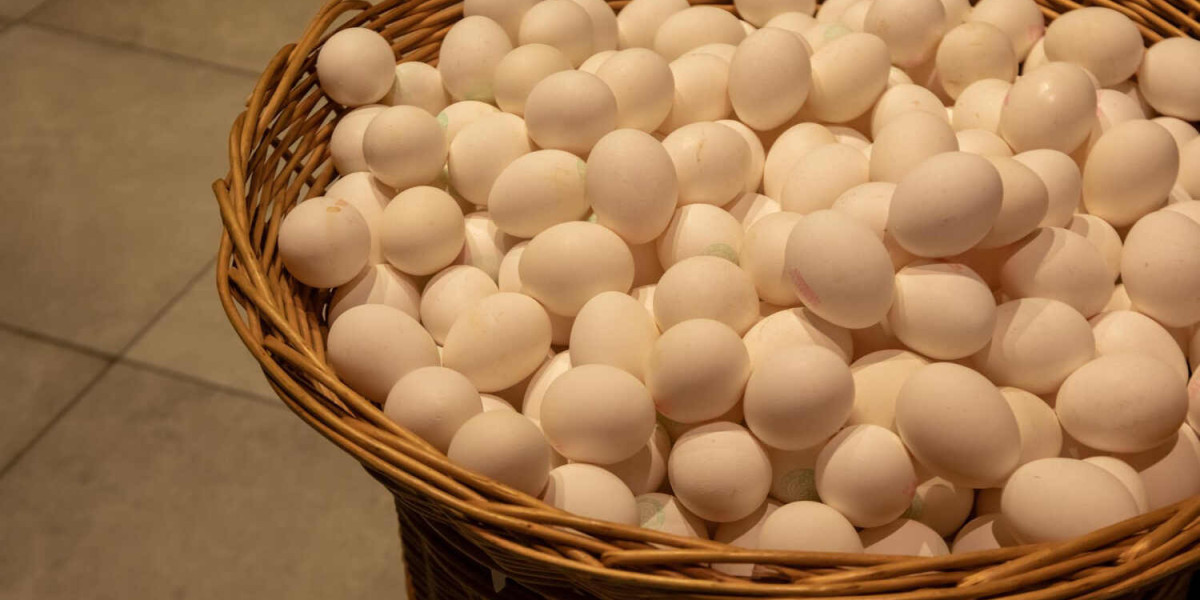
You know that the organic egg has become unavailable at that price, as you have visited a grocery store or a local ‘mandi' in the recent past. The price of eggs in Pakistan has risen in a pattern that even ordinary consumers have noticed, especially in smaller cities and centres such as Karachi, Lahore, and Islamabad. But this has nothing to do with just seasonal demand or Ramadan. There are also a number of 'silent' structural drivers that could raise costs and are worth understanding if you are purchasing for a household or running a small food business.
The real factors behind the high price of organic eggs--what farmers are feeding their hens and how layer feed price in Pakistan has changed over the past two years. The idea is real-world, providing consumers and small buyers in Pakistan with a clear understanding of the reasons for the high prices they pay and what to look for.
So what does "Organic" mean in an egg in Pakistan?
At the retail level, the term is used loosely; a true organic egg is produced by a hen not fed conventional factory feed, antibiotics, or synthetic hormones. It is fed a natural (or near-natural) diet, provided ample space to move around, and does not have to be subjected to artificial lighting schedules to achieve maximum production.
Organic poultry farming in Pakistan is still in its infancy. Generally, most of the eggs sold as organic are laid by smaller family farms in Punjab and Khyber Pakhtunkhwa, which, by nature, follow organic rearing methods even if the farms are not certified. There is no meaningful certification system, so buyers most often trust or buy based on the farm's reputation.
This also translates to less scalability of the organic egg supply. A traditional egg farm can increase egg production more quickly by adjusting lighting, stocking levels, and feed mix. Those shortcuts don't work in an organic or free-range operation, which is one of the reasons supply remains tight when demand increases.
How Hen Feed and Layer Feed Costs Are Shifting the Market
Feed is the number one expense in poultry production. Organic egg producers have less freedom to choose their feed, since additives in hen feed and/or synthetic amino acid supplements are generally not used. This rules out several choices in purchasing and frequently leads towards higher price raw materials.
What Goes Into a Layer Feed Formula
The typical egg-laying hen layer ration is based on maize (corn), soya meal, rice bran, and a micronutrient premix. It is dependent on the age of the flock and the stage of egg production, and the ratio is between 55 and 65 per cent of the total formula. The protein is added by soybean meal.
Ideally, the soybean meal should be non-GMO and free of chemical processing, a more difficult product to find in the United States. A few smaller farms use locally available sources to replace it, such as sesame meal, which has a lower protein content, or sunflower cake, which may affect shell quality and yolk colour.
Why the Layer Feed Price in Pakistan Has Gone Up
The layer feed price in Pakistan has increased considerably since 2022 for several reasons. Maize prices surged on the international market due to supply shortages in the main production countries, and some part of the maize requirement is being imported into Pakistan. The fall in the rupee's value relative to the dollar directly led to an increase in the cost of imported grain or premix ingredients.
By mid-2024, the cost of commercial layer mash was approximately Rs. 50 /kg. 1,800 to Rs. In Punjab, 2200 of these were sold at Rs. 3,200 or more, depending on the manufacturer and area. For small organic farms, purchasing in smaller quantities than those eligible for bulk discounts was even more expensive.
The increase in this feed results in a direct increase in egg production cost per dozen. If you're seeing input costs increase by 30 to 40% and you're unable to replace part of your feed with a lower-cost alternative that still maintains your organic certification, then the only reasonable response is to raise prices.
The price of eggs in Pakistan: Organic vs. Conventional
The price of eggs in Pakistan can cost anywhere between Rs. 20 and 100, depending on the type of eggs in question, whether they are table eggs, organic or desi. Commercial eggs produced by caged hens have been priced at anywhere from Rs. in 2024/25. 280 and Rs. Retail: 350/dozen. The smaller farms provide organic or desi eggs, which are sold at Rs. 500 to Rs. Urban prices: 750 per dozen (sometimes higher at premium grocery stores).
That difference has nothing to do with marketing, unless there is one, but is a real difference in production cost. The organic farmer pays more per kg of eggs produced, has fewer birds per m2 on the farm, and has more broken eggs because hens are more active in open spaces. It all comes down to adding up.
Factor | Conventional Egg | Organic Egg |
Retail price per dozen | Rs. 280 to 350 | Rs. 500 to 750 |
Feed type | Commercial layer mash | Natural / non-GMO mix |
Flock density | High (caged) | Low (free-range / open) |
Antibiotic use | Common | Avoided |
Yolk colour | Pale yellow | Deep orange-yellow |
Production scale | Industrial | Small to medium farms |
Consumers Buying Organic Eggs and the Significance for Supply
The demand for the organic egg has been outstripping supply in Pakistan. This has led to increased demand in urban areas, such as Lahore, Islamabad, and Karachi, among health-conscious urban families, individuals with cholesterol or high blood pressure, and parents of young children. Some restaurants and cafes are also specifically sourcing organic or desi eggs to differentiate their menus.
This demand increase is real, and has not been paralleled by a corresponding rise in the number of organic farms. A good free-range or organic chicken operation requires larger space, more capital and more time. Organic farming is not as easy as it seems to be for a conventional farm. The net effect: demand grows faster than supply can catch up, driving prices higher as layer feed prices level off.
What Buyers Can Do: Practical Tips for Pakistani Households
Knowing the market will enable you to make more informed purchases. Be aware of a few things:
Purchasing directly from farms if available. In Punjab and KP, many small organic farms are selling to consumers directly or through WhatsApp groups. Retail markups can be avoided, saving Rs. 100-200 per dozen.
Look at the yolk colour and shell thickness. Eggs are actually there that will have a deeper orange yolk and a more prominent shell, which is another sign of a true organic or free-range egg.
Inquire about the hen feed that is used. If you're able to ask a trusted supplier what their hen feed composition is, then you have a good idea. A red flag is any vague answer.
Purchase weekly instead of daily. There is a tendency for prices to fluctuate. Purchasing a week's worth at a consistent price will help you stay on budget.
Do some research to find the lowest prices. Egg prices vary across open markets, grocery chains, and farm-direct markets in Pakistan. It's worthwhile to do a quick comparison every few weeks.
Frequently Asked Questions
Why is an organic egg more costly than a normal egg in Pakistan?
Organic egg production is more expensive throughout the process. Conventional additives and synthetic supplements are not used, making feed more expensive. Flock density is reduced, and therefore the cost per egg produced. And with less supply, there's less negotiating over input costs. All this drives the price of a dozen such eggs well above table egg prices.
What is the latest price of a layer feed in Pakistan?
A 50 kg bag of layer feed cost Rs. 1,800 to Rs. 2,200 in Punjab markets in 2022, and rose to Rs. 3,000 or above by 2024. The major factors were the volatility of international grain prices, the devaluation of the Pakistani rupee, and increased fuel and logistics costs, which raised domestic distribution costs.
Desi Eggs vs Organic Eggs: What's the Difference?
Desi eggs are laid by village or backyard chickens that do not have any formal egg-feeding program. By a more rigorous definition, organic eggs are those laid by hens fed certified organic feed containing 100% organic ingredients, with no synthetic hormones or antibiotics. Retailers' labelling in Pakistan tends to blend organic and desi egg terminologies together, and in practice, many eggs are organic by default.
How do I know that I'm getting a real organic egg?
There is no well-established organic egg certification system in place in Pakistan. The best way to confirm authenticity is to purchase from a reputable small farm, inquire about the composition of the hen feed, and pay attention to the physical characteristics of the egg: a deep orange yolk, a thick shell, and the smell when it is cracked, compared to commercial eggs. Any packaging claim is less reliable than a traceability to a named farm.
In the short term, will egg prices in Pakistan fall?
The prices of conventional eggs are influenced by the short-term variations in the supply and demand of maize and soybeans, government procurement policies, and seasonal demand changes. The prices of organic eggs are unlikely to change much until there is more competition and more are produced on organic farms. The layer feed price in Pakistan may remain stable or drop if grain supply improves, providing some price relief at the farm level; however, the retail price of organic eggs is relatively impervious.
The Bottom Line
It is not a retail conspiracy or a fleeting price hike in organic eggs in Pakistan. It is directly linked to the increase in layer feed price in Pakistan, limited supply from small farms, and the real, but steadily increasing, demand from urban consumers, who have deemed the price difference worth it.
For those who purchase this product regularly, knowledge of the difference between real organic production and casual use of the label can help them spend smarter. The economics of the segment are good now if you're a small farmer thinking of entering the segment, but it relies on managing your hen feed input costs. The price of eggs in Pakistan is likely to continue fluctuating, but the difference in egg price between organic and conventional is quite apparent and will not be resolved in the near future.






