
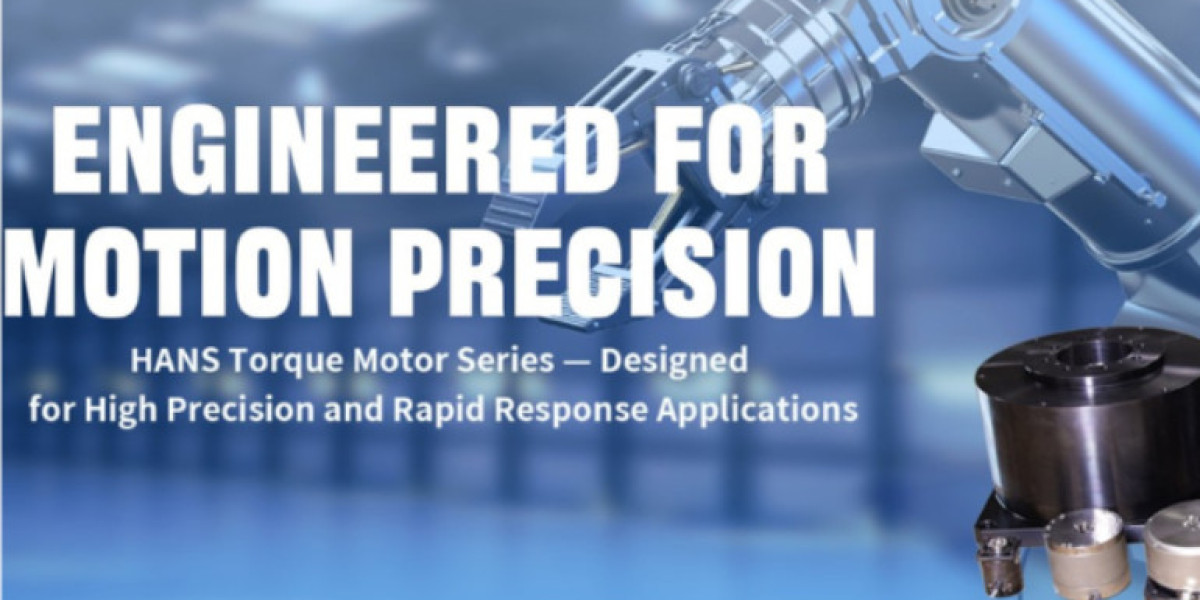
A high torque electric motor is built up to create a high rotating force at the output shaft. Torque is a twisting force that turns a motor to move a load. Many industrial systems work under situations of high loads, frequent starts or slow speed movement. Torque remains an important mode of operation in such situations.
The electrical and mechanical factors are various and affect the motor performance. The output torque is the result of these elements interacting during use.
What is Torque in Electric Motors
Torque is the power that a motor applies to turn. It occurs when electrical energy becomes mechanical motion. Magnetic fields interact within the motor assembly to rotate the motor shaft.
Different applications require different torque levels. Conveyor, hoisting equipment, mixers and automated machines commonly work under severe load circumstances. These systems operate on a constant torque output while moving .
Motor design determines torque performance. Final output depends on winding configuration, magnetic field strength and rotor architecture.
How an Electric Motor Works - High Torque
The high torque electric motor functions on electromagnetic interaction of fixed and spinning parts. Current flows through the windings. In the motor we get magnetic fields.
These magnetic fields push the rotor. The rotor starts turning. That rotating force is transferred to the equipment linked to the motor shaft.
Torque is produced by the motor when it receives electricity. Some designs cause high torque at low rotational speeds. This mode of operation is useful for applications where you still want to control the motion under load.
Key Design Features
Torque output is affected by many design features. Powerful magnets create forces inside the motor. The transfer of electromagnetic force also depends on the rotor shape.
Some motor assemblies include gear reduction systems. These methods limit the speed of output but increase the amount of torque available at the shaft. The movement that results is still slower. The force of turning increases.
It also includes managing heat. During operation heat is produced. Cooling elements are employed to maintain stable working conditions.
Conclusion
The high torque electric motor generates a large amount of rotational force from electromagnetic interaction inside the motor assembly. Its operational qualities make it suitable for applications involving heavy loads, controlled movement or low speed operation. Magnetic components, rotor construction, and gear arrangements are all design features that affect the amount of torque that may be generated during service.






