
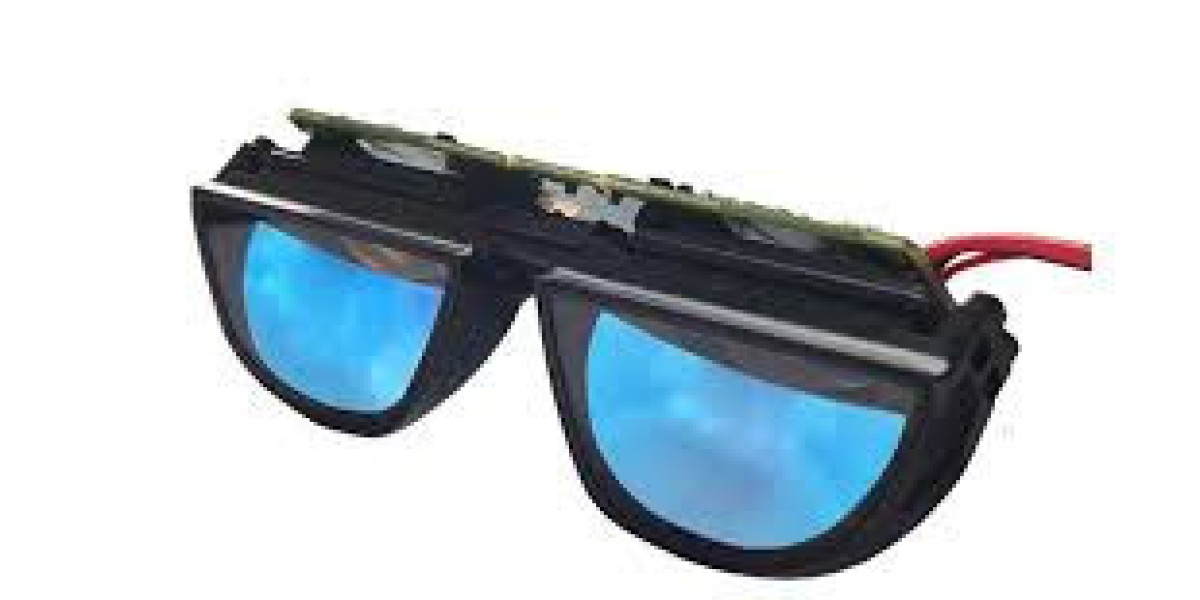
Augmented Reality (AR) is changing the way people interact with digital information. From navigation and gaming to healthcare and industrial applications, AR devices are becoming more advanced every year. One important component that helps make these devices possible is the Bird Bath Optical Module.
A Bird Bath Optical Module is a display system used in many AR smart glasses. It helps project digital images into the user's field of view while keeping the device compact and lightweight. Because of its simple structure and high image quality, it has become one of the most widely used optical solutions in wearable technology.
In this article, we will explain what a Bird Bath Optical Module is, how it works, its benefits, applications, and why it remains an important technology in the AR industry.
What Is a Bird Bath Optical Module?
A Bird Bath Optical Module is an optical display system used in augmented reality devices. It combines optical components such as lenses, mirrors, and display panels to project virtual images in front of the user's eyes.
The name "Bird Bath" comes from the curved reflective surface used in the optical design, which resembles the shape of a traditional bird bath.
The module is commonly found in:
- AR smart glasses
- Wearable displays
- Industrial AR systems
- Training devices
- Medical visualization equipment
Its main purpose is to create a clear virtual image while maintaining a comfortable viewing experience.
How Does a Bird Bath Optical Module Work?
A Bird Bath Optical Module works by reflecting and directing light from a display source toward the user's eyes.
The process typically follows these steps:
- A micro display generates digital content.
- Light passes through optical lenses.
- A curved reflective mirror redirects the image.
- The virtual image appears in front of the user.
This optical path allows users to see both digital content and the real world at the same time.
Main Components of a Bird Bath Optical Module
Micro Display
The display generates the visual information shown to the user.
Common display technologies include:
- Micro OLED
- LCD
- MicroLED
Reflective Mirror
The curved mirror reflects and enlarges the image before it reaches the eye.
Optical Lens
Lenses help focus and optimize image quality.
Mechanical Housing
The housing protects optical components and keeps the system aligned.
Key Features of Bird Bath Optical Modules
High Image Quality
Bird Bath systems are known for producing sharp and clear images.
Bright Display Performance
The optical design supports good brightness levels, making content easier to see.
Mature Technology
Many manufacturers use Bird Bath designs because the technology is well-developed and reliable.
Comfortable Viewing Experience
The optical structure helps create a natural viewing environment for users.
Cost-Effective Production
Compared to some advanced waveguide systems, Bird Bath modules are often easier and less expensive to manufacture.
Benefits of Using a Bird Bath Optical Module
Clear Virtual Images
Users can view digital information with good clarity and detail.
Faster Product Development
Manufacturers can integrate Bird Bath modules into AR products relatively quickly.
Reliable Optical Performance
The technology has been tested and refined through years of development.
Suitable for Multiple Industries
Bird Bath modules can be adapted for various professional and consumer applications.
Supports Advanced AR Experiences
The system enables users to interact with digital content while remaining aware of their surroundings.
Applications of Bird Bath Optical Modules
AR Smart Glasses
One of the most common applications is wearable smart glasses that display digital information directly in front of the user.
Industrial Maintenance
Technicians can view instructions and technical data while working on equipment.
Medical Applications
Healthcare professionals can access important information without looking away from patients or equipment.
Education and Training
Students and trainees can learn using interactive visual content displayed through AR systems.
Logistics and Warehousing
Workers can view inventory information and navigation instructions hands-free.
Remote Assistance
Experts can guide field workers through AR displays without being physically present.
Bird Bath Optical Module vs Waveguide Technology
| Feature | Bird Bath Optical Module | Waveguide Technology |
|---|---|---|
| Image Quality | Excellent | Very Good |
| Brightness | High | Moderate to High |
| Manufacturing Complexity | Lower | Higher |
| Cost | More Affordable | More Expensive |
| Optical Efficiency | Strong | Advanced |
| Market Maturity | Established | Emerging |
Both technologies have advantages, but Bird Bath modules remain popular because of their image quality and lower production costs.
Challenges of Bird Bath Optical Modules
Although Bird Bath technology offers many advantages, it also has some limitations.
Larger Optical Structure
Bird Bath systems are generally thicker than waveguide-based solutions.
Weight Considerations
Additional optical components can increase overall device weight.
Design Constraints
Manufacturers must carefully balance image quality, size, and comfort.
Despite these challenges, Bird Bath technology remains widely used due to its reliable performance.
Future of Bird Bath Optical Modules
As AR technology continues to grow, Bird Bath optical modules are expected to improve further.
Future developments may include:
- Smaller optical components
- Improved image brightness
- Better energy efficiency
- Lighter smart glasses
- Enhanced display resolution
These improvements will help make AR devices more practical for everyday use.
Why Bird Bath Optical Modules Remain Popular
Many AR manufacturers continue using Bird Bath optical systems because they offer:
- Proven performance
- High image quality
- Reasonable production costs
- Reliable optical design
- Faster product development
For many current AR products, Bird Bath technology provides an effective balance between performance and affordability.
Conclusion
The Bird Bath Optical Module is one of the most important technologies in today's AR industry. By combining mirrors, lenses, and advanced display systems, it allows users to view digital information while remaining connected to the real world.
Its strong image quality, reliable performance, and cost-effective design have made it a popular choice for AR smart glasses, industrial applications, medical devices, and wearable technology. As augmented reality continues to expand, Bird Bath Optical Modules will remain a key part of the next generation of smart visual experiences.







