
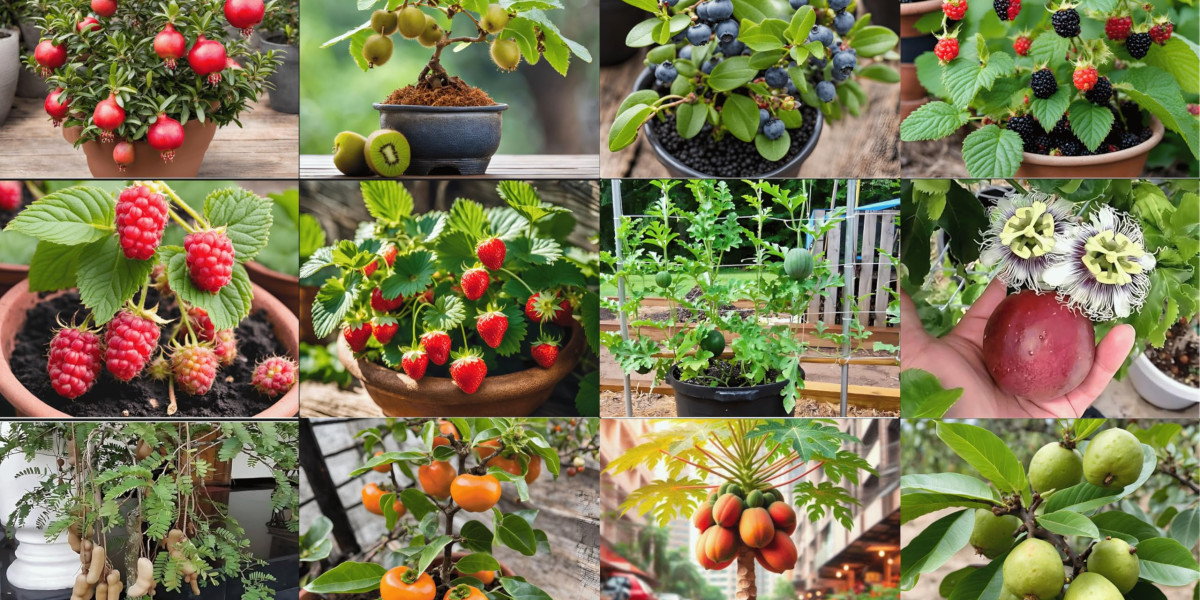
Who says a garden has to choose between beauty and purpose? At PlantsGhar, the team at https://plantsghar.pk/ believes every plant you grow should bring something meaningful to your space whether that is color, fragrance, or food on your plate. The good news is you do not have to choose. There is a whole world of edible plants that look beautiful, and they deserve a spot in every home garden, balcony, or kitchen windowsill. These plants do double duty they stop people in their tracks with their looks and then reward you again when it is time to cook or brew a cup of tea. Whether you are a seasoned gardener or just getting started, this list of ten plants will inspire you to grow something that is as stunning as it is delicious
Rainbow Chard — The Most Colorful Vegetable You Will Ever Grow
If there is one plant that completely shatters the idea that vegetables are boring, it is rainbow chard. The stems come in vivid shades of red, yellow, orange, pink, and white sometimes all on the same plant. The leaves are large, glossy, and deeply veined, making it look almost sculptural when planted in a pot or garden border. It grows upright and full, giving it a lush, tropical feel even in a modest container.
From a culinary perspective, rainbow chard is incredibly versatile. The leaves can be sautéed, added to soups, used in pasta dishes, or eaten fresh in salads when young and tender. The stems hold their color even after light cooking, making every dish look as good as it tastes. It grows well in Pakistan's cooler months and is one of the easiest greens to maintain.
Purple Basil — A Fragrant, Violet Beauty
Most people know green basil from their kitchen shelves, but purple basil is an entirely different experience both visually and aromatically. The leaves are a deep, rich violet color with a slight sheen that catches the light beautifully. When planted in a terracotta pot near a doorway or on a windowsill, it looks like a deliberate design choice rather than just a herb.
Purple basil smells just as wonderful as it looks warm, slightly sweet, with a clove-like undertone. It is used in Italian cooking, pestos, fresh salads, infused oils, and even drinks like lemonades and mocktails. It thrives in warm, sunny spots, which makes it a natural fit for Pakistani home gardens. Pinch off the flowers as they appear to keep the plant bushy and productive throughout the season.
Nasturtium — The Trailing Flower You Can Actually Eat
Nasturtiums are one of the most generous plants a gardener can grow. They trail and climb, filling empty spaces with round, lily-pad-like leaves and bold flowers in shades of orange, red, yellow, and cream. They look stunning in hanging baskets, cascading over garden walls, or spilling out of window boxes. The blooms are bright, cheerful, and long-lasting through the growing season.
What makes nasturtiums truly special is that every single part of the plant is edible. The flowers have a pleasant peppery flavor and make a beautiful garnish on salads, soups, and plates. The leaves taste similar to watercress and can be tossed into sandwiches or wraps. Even the seed pods can be pickled and used like capers. They are low-maintenance, grow quickly from seed, and reseed themselves naturally year after year.
Lavender — Elegant, Fragrant, and Surprisingly Useful in the Kitchen
Lavender is one of those plants that looks like it belongs in a French countryside garden, yet it adapts beautifully to pots and patios in South Asia's drier regions. The tall, slender spikes covered in tiny purple-blue flowers are striking in any setting — lined along a pathway, grouped in a large planter, or tucked into a herb garden. The silver-green foliage adds softness and texture even when the plant is not in bloom.
Culinary lavender is used in baked goods like shortbread biscuits and cakes, infused into syrups for drinks, stirred into honey, and even used in savory meat rubs and marinades. It has a floral, slightly sweet flavor that works best in small quantities. Lavender is also deeply calming as a tea ingredient. It prefers well-drained soil and full sun — conditions that are easy to achieve in most Pakistani gardens during the right season.
Spinach — A Leafy Green That Is More Beautiful Than You Think
Spinach often gets overlooked in conversations about beautiful edible plants, but it deserves far more credit. When grown well, spinach produces rich, deep green rosettes of leaves that look lush and full. Baby spinach varieties are especially attractive in containers, creating a dense, carpet-like appearance that looks intentional and neat. Darker varieties have a glossy sheen that catches the eye.
Beyond its looks, spinach is one of the most nutritious and versatile greens you can grow at home. It works in salads, smoothies, curries, pasta, and daal. It grows quickly, tolerates partial shade, and does exceptionally well in Pakistan's cooler months. If you want a detailed guide on how to grow it successfully in local conditions, visit plantsghar.pk/spinach for tips on soil, watering, and harvesting.
Calendula — The Sunshine Flower That Belongs in Your Kitchen
Calendula, often called pot marigold, is one of the easiest and most rewarding edible flowers you can grow. The blooms come in warm shades of orange, yellow, and gold, and they keep flowering for months with very little care. A pot full of calendula looks like concentrated sunshine bright, warm, and completely cheerful. It is a wonderful border plant that adds seasonal color without any fuss.
The petals are edible and have a mild, slightly tangy flavor. They have been used in traditional cooking for centuries scattered over salads, stirred into rice dishes for color, or used as a natural food dye. Dried calendula petals are also used in herbal teas and skincare preparations. It grows easily from seed, tolerates a range of soil conditions, and self-seeds generously, meaning you plant it once and it keeps returning.
Dwarf Chili Plant — A Fiery Ornamental You Can Harvest
Dwarf chili plants are one of the most underrated ornamental edibles available for container gardening. As the chilies ripen, they shift through shades of green, yellow, orange, and red sometimes displaying all four colors on a single plant at once. The effect is striking and almost jewel-like, especially when several plants are grouped together on a balcony or patio. They stay compact and tidy, making them ideal for small spaces.
In Pakistan, chilies are of course a kitchen essential, and growing your own means you always have fresh ones on hand. Dwarf varieties like Filius Blue and Medusa are especially ornamental but still fully edible. They love warm weather, need regular watering, and do best in a sunny spot. Once they start producing, a single plant can give you a continuous harvest through the entire warm season.
Borage — The Star-Shaped Blue Flower of the Edible Garden
Borage is not as well known as some herbs, but once you grow it, you will wonder why it took you so long. The plant produces clusters of vivid blue, star-shaped flowers that are genuinely striking. The blue is unusual in the garden world a true, clear blue that stands out against the green foliage. The leaves are covered in soft silver hairs that give them a frosted, textural appearance.
The flowers taste faintly of cucumber and are one of the most popular edible flower garnishes in modern cooking. They are often used to decorate cakes, float in drinks, or add color to salads and cheese boards. The young leaves can also be eaten raw or cooked, with a similar mild cucumber flavor. Borage grows quickly, tolerates poor soil, and attracts pollinators, making it a beneficial and beautiful addition to any garden.
Artichoke —The Architectural Giant of the Edible Garden
If you want a plant that makes a statement, artichoke is unmatched. It grows tall and bold, with large, deeply cut silvery-green leaves that have an almost tropical, sculptural quality. The flower buds which are the part you eat are dramatic globe-shaped structures that look like they belong in an art installation. Even the flower itself, if you let it open, produces a stunning thistle-like purple bloom.
Artichokes take a bit more patience than most plants on this list, but the reward is well worth it. They are perennial in mild climates, meaning they come back year after year once established. They work beautifully as a focal point in a large container or as a border plant that anchors a garden corner. Culinary uses include steaming and serving with dipping sauces, adding to pasta dishes, or preserving in olive oil as antipasto.
Strawberry — Delicate White Blooms, Red Fruit, and Trailing Beauty
Strawberries are one of those plants that deliver visual pleasure at every stage of their growth. The white or pale pink flowers are delicate and charming in spring. As the season progresses, small green fruits appear and slowly blush into bright red berries that hang like tiny ornaments. The trailing runners cascade over the sides of pots and hanging baskets, creating a full, overflowing look that is both romantic and productive.
In Pakistan, strawberries grow particularly well during the cooler winter and spring months. They thrive in hanging baskets, raised beds, or window boxes any setup where the trailing growth can flow freely. The fruit is of course beloved for eating fresh, adding to desserts, blending into drinks, and making into jams. Few plants give you this much visual enjoyment alongside such a delicious harvest.
Conclusion
Growing edible plants that look beautiful is one of the most satisfying choices a gardener can make. You invest time and care into your space, and in return you get lush colors, striking textures, fresh fragrance, and actual food. From the bold architectural presence of an artichoke to the trailing cheerfulness of a strawberry basket, every plant on this list proves that beauty and usefulness are not opposites they grow side by side, often in the very same pot. Start with one or two that appeal to you most, and let your garden grow into something that is genuinely worth looking at and eating from.
FAQs
Q1. What are the best edible plants that look beautiful for small balconies?
Dwarf chili plants, purple basil, nasturtiums, strawberries in hanging baskets, and rainbow chard are all excellent for small spaces. They are compact, colorful, and productive even in limited room.
Q2. Can these ornamental edible plants grow well in Pakistan's climate?
Yes. Most of these plants thrive in Pakistan's warm, sunny conditions. Lavender and spinach prefer cooler months, while chilies, basil, and nasturtiums love the heat. Timing your planting with the seasons makes a big difference.
Q3. Are edible flowers safe to eat?
Yes, as long as you are sourcing seeds or plants from reputable suppliers and avoiding chemical pesticides on any part of the plant. Always verify a variety is listed as edible before consuming flowers or leaves.
Q4. How do I use edible flowers like nasturtiums and borage in cooking?
Nasturtium flowers add a peppery kick to salads and work as a garnish on soups and plates. Borage flowers are great floating in drinks or decorating desserts. Calendula petals add color and mild flavor to rice dishes and salads.
Q5. Do these beautiful edible plants need a lot of maintenance?
Most are relatively low-maintenance. Rainbow chard, basil, and spinach need regular watering and decent sunlight. Nasturtiums and calendula are almost self-sufficient once established. Artichokes and lavender need good drainage but are otherwise hardy once they settle in.