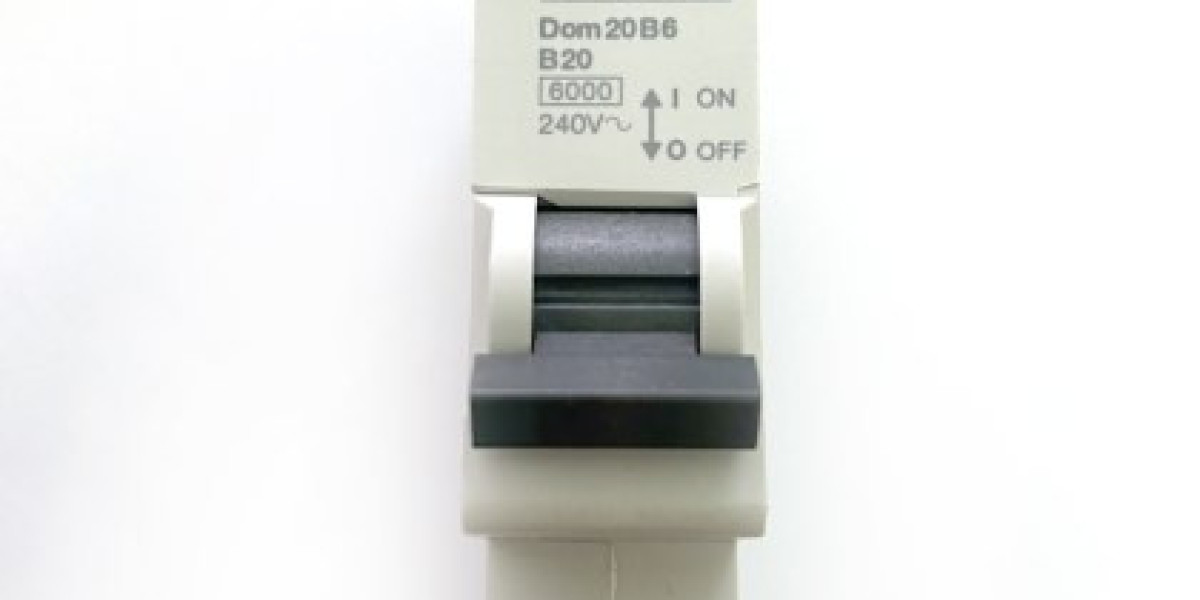
A 20 amp circuit breaker is designed to protect your home’s wiring from overload and short circuits. It automatically shuts off power when the electrical load becomes unsafe. While this is an important safety feature, frequent tripping can be frustrating and usually indicates an underlying problem that needs attention. Understanding the reasons behind it helps you fix the issue and prevent future interruptions.

1. Circuit Overload (Most Common Reason)
One of the main reasons a 20 amp breaker trips is overload.
This happens when:
• Too many devices run on the same circuit
• High-power appliances are used together
• Total load exceeds 20 amps
Example: Running a microwave, toaster, and kettle on the same kitchen circuit can easily overload it.
Solution:
• Unplug unnecessary devices
• Spread appliances across different outlets
• Avoid using multiple heavy-load devices at once
2. Short Circuit Issues
A short circuit occurs when a hot wire touches a neutral or ground wire.
Signs include:
• Instant breaker trip
• Burning smell
• Possible sparks or visible damage
Why it happens:
• Damaged wiring
• Faulty appliances
• Loose connections
Solution:
• Turn off power immediately
• Inspect appliances and wiring
• Call an electrician if needed
3. Ground Fault Problems
A ground fault is similar to a short circuit but often occurs in damp areas.
Common locations:
• Bathrooms
• Kitchens
• Outdoor outlets
Signs:
• Breaker trips when using wet-area appliances
• Sudden power cut in specific outlets
Solution:
• Use GFCI outlets
• Keep outlets dry
• Inspect wiring insulation
4. Faulty Appliances
Sometimes the problem is not the circuit but the device itself.
Faulty appliances may:
• Draw excessive current
• Have internal wiring issues
• Cause repeated tripping
Solution:
• Test appliances one by one
• Replace damaged devices
• Avoid using unverified electronics
5. Loose or Damaged Wiring
Over time, wiring connections can loosen or degrade.
This can cause:
• Heat buildup
• Unstable current flow
• Random breaker trips
Solution:
• Inspect wiring connections
• Tighten loose terminals
• Replace damaged wires
6. Aging or Weak Breaker
A circuit breaker itself can wear out over time.
Signs include:
• Frequent tripping without load
• Difficulty resetting
• Heat or buzzing sound
Solution:
• Replace the breaker
• Use compatible 20 amp replacement
• Ensure proper installation
Conclusion
A miniature circuit breaker 20 amp keeps tripping for important safety reasons, most commonly due to overloads, faulty wiring, or damaged appliances. Instead of ignoring the issue, identifying the exact cause helps you maintain a safe and reliable electrical system. Proper load management and timely inspection ensure your home circuits run smoothly without interruptions.
FAQs
Why does my 20 amp breaker keep tripping?
Usually due to overload, faulty appliances, or wiring issues.
Is frequent tripping dangerous?
Yes, it can indicate electrical faults that need attention.
Can I upgrade my 20 amp breaker?
Only if your wiring supports a higher load, otherwise it is unsafe.
Should I call an electrician?
Yes, if the problem continues after basic checks.