
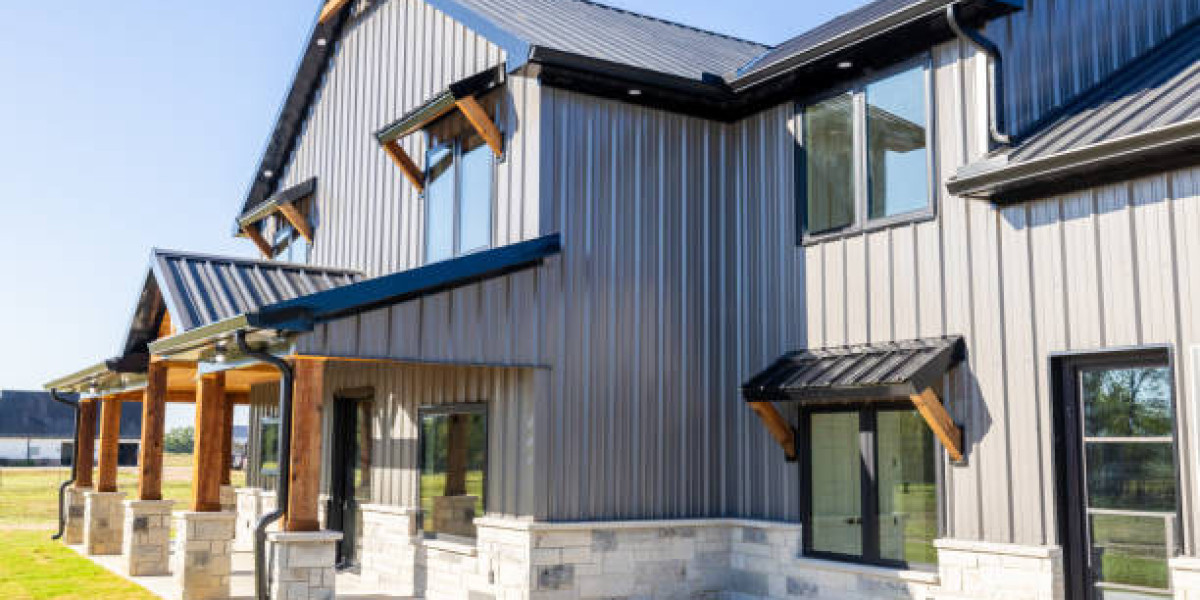
As property prices continue to rise across London, many homeowners are choosing house extensions instead of moving. A well-planned extension can create additional living space, improve functionality, and increase the value of a property. Whether you want a larger kitchen, an extra bedroom, a home office, or a more open living area, understanding the planning, costs, and design considerations is essential before starting your project.
This guide explains everything you need to know about house extensions in London, including popular extension types, planning requirements, design ideas, and budgeting tips.
Why Choose a House Extension in London?
Extending your home can be a practical and cost-effective alternative to relocating. It allows homeowners to maximize existing space while avoiding the expenses and stress associated with moving.
More Living Space
A house extension creates valuable extra room for growing families, remote workers, or homeowners seeking improved comfort and functionality.
Increased Property Value
Many extensions can add significant value to a property. Buyers often look for larger kitchens, additional bedrooms, and flexible living spaces.
Improved Lifestyle
An extension can transform the way you use your home by creating open-plan living areas, brighter interiors, and better connections between indoor and outdoor spaces.
Popular Types of House Extensions in London
Different properties require different extension solutions. The best option depends on available space, budget, and planning restrictions.
Rear Extensions
Rear extensions are among the most popular choices in London. They extend into the garden and can create larger kitchens, dining areas, or family rooms.
Benefits include:
- Increased living space
- Better garden access
- Improved natural light
Side Return Extensions
Many Victorian and Edwardian properties have narrow side passages that are often underutilized. A side return extension uses this space to expand ground-floor living areas.
Benefits include:
- Maximizes unused space
- Creates wider kitchens
- Enhances open-plan layouts
Wrap-Around Extensions
A wrap-around extension combines a rear extension with a side return extension. This design creates a substantial increase in floor area and offers significant layout flexibility.
Double-Storey Extensions
Double-storey extensions add space on both the ground and first floors. Homeowners often use them to create additional bedrooms, bathrooms, and living areas.
Benefits include:
- More space for growing families
- Better value per square metre
- Increased property value
Loft Conversions
Although technically different from a traditional extension, loft conversions remain a popular way to gain extra living space in London homes.
Common uses include:
- Additional bedrooms
- Home offices
- Guest suites
Planning Permission for House Extensions in London
Before starting construction, homeowners must understand local planning regulations.
Permitted Development Rights
Many extensions fall under permitted development rights, allowing homeowners to build without submitting a full planning application.
However, specific size and design limitations apply.
When Planning Permission Is Required
Planning permission may be necessary if:
- The extension exceeds permitted development limits
- The property is in a conservation area
- The home is listed
- Significant structural changes are proposed
Building Regulations Approval
Even if planning permission is not required, most extensions must comply with building regulations. These regulations cover:
- Structural safety
- Fire protection
- Energy efficiency
- Ventilation
- Drainage systems
Obtaining approval helps ensure the extension is safe and legally compliant.
Understanding House Extension Costs in London
The cost of a house extension varies depending on size, materials, design complexity, and location.
Factors That Affect Costs
Several factors influence the final budget:
- Extension size
- Property type
- Site access
- Structural modifications
- Interior finishes
- Roofing requirements
- Utility connections
Design and Professional Fees
Homeowners should also budget for professional services such as:
- Architectural design
- Structural engineering
- Planning applications
- Building control inspections
These services play a critical role in ensuring a successful project.
Construction and Finishing Costs
Construction expenses often include:
- Foundations
- Walls and roofing
- Windows and doors
- Plumbing and electrical work
- Flooring
- Decoration
High-quality finishes generally increase costs but can improve long-term value and aesthetics.
Key Design Considerations for a House Extension
Good design can make an extension feel like a natural part of the home rather than an addition.
Maximizing Natural Light
Large windows, rooflights, and glazed doors can help bring more daylight into the property.
Natural light can make rooms feel larger, brighter, and more welcoming.
Creating Functional Layouts
Every square metre should serve a purpose. Consider how people will move through the space and how rooms will connect.
Popular layouts include:
- Open-plan kitchens
- Kitchen-dining spaces
- Family living areas
- Multi-functional rooms
Matching Existing Architecture
An extension should complement the existing property while meeting modern lifestyle needs.
Careful selection of materials, colours, and finishes helps create a cohesive appearance.
Energy Efficiency
Modern extensions often include energy-efficient features such as:
- High-performance insulation
- Double or triple glazing
- Energy-efficient heating systems
- Sustainable building materials
These features can reduce energy consumption and improve comfort throughout the year.
Common Challenges During a House Extension Project
Every construction project presents potential challenges. Proper planning helps reduce delays and unexpected costs.
Budget Management
Setting a realistic budget and including a contingency fund can help manage unforeseen expenses.
Construction Disruption
Building work can temporarily affect daily life. Some homeowners choose to remain in the property, while others relocate during major construction phases.
Planning Delays
Applications may take time to process, particularly in areas with stricter planning controls.
Early preparation can help avoid unnecessary delays.
Tips for a Successful House Extension
Careful preparation often leads to better outcomes.
Define Your Goals Clearly
Determine exactly how you want to use the additional space before beginning the design process.
Set a Realistic Budget
Include design fees, construction costs, and contingency funds when calculating your budget.
Prioritize Quality
Investing in durable materials and professional workmanship can improve both longevity and property value.
Consider Future Needs
Think about how your household may change over time and design the extension with flexibility in mind.
Conclusion
A house extension in London can provide valuable extra space, improve daily living, and increase property value. Whether you choose a rear extension, side return extension, wrap-around extension, or loft conversion, success depends on careful planning, realistic budgeting, and thoughtful design.
By understanding planning requirements, construction costs, and design principles, homeowners can create an extension that enhances both functionality and long-term investment potential. Homeowners seeking additional information about house extensions, planning considerations, and design approaches can explore resources available from BBS Design and Build. With the right approach, a house extension can transform an existing property into a more comfortable and adaptable home for years to come.