
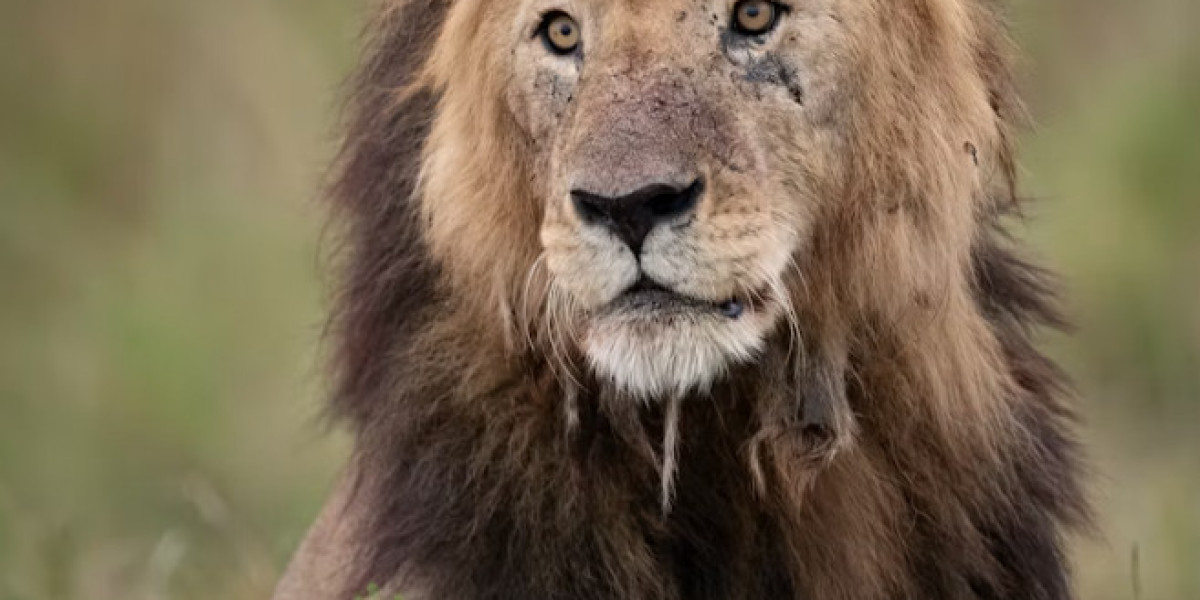
A Tanzania safari is one of the most extraordinary wildlife journeys on Earth, where nature unfolds on a massive scale and every moment feels alive with possibility. From sweeping golden plains filled with grazing herds to volcanic craters packed with wildlife, Tanzania offers an unmatched blend of adventure, beauty, and raw wilderness.
Unlike typical vacations, a safari in Tanzania places you directly inside nature’s rhythm. You are not just observing wildlife—you are part of a landscape where survival, movement, and instinct shape every scene.
A Land Shaped by Nature and Time
Tanzania’s geography plays a huge role in making its safaris so special. The country is home to vast ecosystems that have remained largely unchanged for thousands of years. These environments support one of the highest concentrations of wildlife in Africa.
The open savannahs allow animals to roam freely across enormous distances, while protected conservation areas ensure that entire ecosystems remain intact. This balance creates some of the most reliable and exciting wildlife viewing in the world.
From lions resting under acacia trees to elephants crossing dusty plains, every corner of Tanzania tells a story of life in its purest form.
Serengeti – The Endless Stage of Life
The Serengeti National Park is the centerpiece of any Tanzania safari. Its name means “endless plains,” and that description could not be more accurate. The landscape stretches far beyond the horizon, creating a natural stage for one of Earth’s greatest wildlife spectacles.
The park is best known for the Great Migration, where millions of wildebeest, zebras, and gazelles move in search of fresh grazing land. This journey is driven by survival and is followed closely by predators such as lions, cheetahs, and hyenas.
River crossings become dramatic survival moments, where crocodiles lie in wait and herds gather courage before rushing through the waters. These raw, unscripted events make the Serengeti one of the most thrilling wildlife destinations on the planet.
Even outside migration season, the Serengeti remains full of life, with resident predators and herbivores creating constant activity across the plains.
Ngorongoro Crater – A Natural Wildlife Fortress
The Ngorongoro Crater is often described as a natural wonder of the world. Formed by an ancient volcanic collapse, it has created a self-contained ecosystem that supports an incredible variety of wildlife within its steep walls.
Inside the crater, animals live in close proximity, making sightings both frequent and diverse. Visitors can see lions patrolling grasslands, elephants moving through forests, and flamingos gathering around shallow lakes.
What makes Ngorongoro truly unique is its density of wildlife in such a small area. It feels like stepping into a perfectly preserved natural arena where every direction reveals another encounter.
Tarangire – The Land of Giants
The Tarangire National Park offers a different but equally captivating safari experience. It is famous for its large elephant populations and towering baobab trees that dominate the landscape.
During the dry season, the Tarangire River becomes a lifeline for wildlife, attracting large herds of animals. This concentration creates excellent opportunities for photography and close wildlife encounters.
The park is quieter than Serengeti, making it ideal for travelers who prefer a more peaceful and less crowded safari experience.
Lake Manyara – A Hidden Safari Gem
Nestled at the base of the Great Rift Valley, Lake Manyara National Park is known for its lush scenery and diverse habitats. From dense forests to open lake shores, the park supports a wide range of species.
It is especially famous for its tree-climbing lions, a rare behavior seen in only a few places in Africa. The lake also attracts thousands of flamingos and other bird species, making it a paradise for birdwatchers.
Though smaller in size, Lake Manyara adds incredible variety to a Tanzania safari itinerary.
When Nature Performs Its Best
Timing plays an important role in shaping your safari experience in Tanzania:
- Dry Season (June to October): Best overall wildlife viewing as animals gather near water sources
- Calving Season (January to March): Newborn animals and intense predator activity in the Serengeti
- Migration Crossings (July to September): Dramatic river crossings filled with action and danger
Each season reveals a different side of Tanzania’s wildlife story, making it a destination worth visiting more than once.
Safari Life and Experience
A Tanzania safari is typically experienced through guided game drives in specially designed 4x4 vehicles. Expert guides play a key role in interpreting animal behavior and finding wildlife in vast landscapes.
Travelers can choose different styles of safari experiences:
- Basic camping safaris for a raw, immersive adventure
- Comfortable lodge safaris with modern amenities
- Luxury tented camps offering exclusivity in remote locations
Regardless of the style, the core experience remains the same—being surrounded by untouched nature and extraordinary wildlife encounters.
Final Reflection
A Tanzania safari is not just about seeing animals; it is about experiencing the rhythm of life in one of the world’s last great wildernesses. Every sunrise brings new movement across the plains, and every game drive offers the possibility of something unforgettable.
For those seeking a journey filled with discovery, beauty, and raw natural energy, Tanzania stands as one of the greatest safari destinations on Earth.