
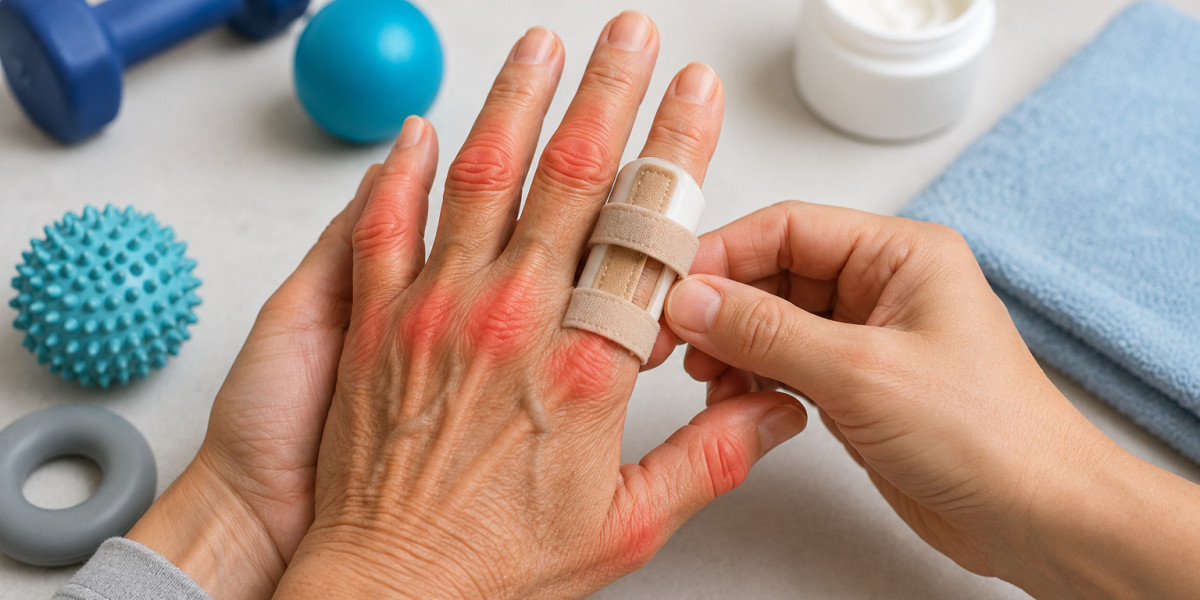
Finger arthritis can affect nearly every aspect of daily life. From writing and cooking to using a smartphone or fastening buttons, painful finger joints can make simple tasks frustrating. As symptoms progress, many people search for solutions that provide lasting relief rather than temporary comfort.
The challenge is that there is no single approach that works for everyone. Some individuals benefit from natural remedies and lifestyle changes, while others require medical interventions to control symptoms effectively. Understanding both options can help people make informed decisions about the best treatment for arthritis in fingers for their specific needs.
This comprehensive guide explores natural and medical treatment strategies, their benefits, and how combining them may provide the most effective long-term results.
Understanding Finger Arthritis
Arthritis refers to inflammation or degeneration of the joints. In the fingers, this condition can affect mobility, strength, and comfort.
The most common symptoms include:
- Joint pain
- Swelling
- Stiffness
- Reduced flexibility
- Weak grip strength
- Joint enlargement
- Difficulty performing daily activities
Symptoms may develop gradually or appear more suddenly depending on the type of arthritis involved.
Why Long-Term Management Is Important
Arthritis is often a lifelong condition that requires ongoing care.
Without appropriate management, symptoms may lead to:
- Increased pain
- Reduced hand function
- Joint deformities
- Limited independence
- Difficulty completing everyday tasks
A long-term approach to treatment for arthritis in fingers focuses on maintaining mobility while minimizing discomfort.
Natural Treatment Approaches
Many people prefer starting with natural methods to help manage symptoms.
Regular Finger Exercises
Movement is essential for maintaining healthy joint function.
Exercises may help:
- Improve flexibility
- Increase circulation
- Reduce stiffness
- Support muscle strength
Examples include:
- Finger curls
- Thumb stretches
- Finger spreads
- Tendon-gliding movements
Consistent practice often produces better results than occasional exercise sessions.
Warm Therapy Techniques
Heat is one of the most widely used natural arthritis remedies.
Benefits include:
- Relaxed muscles
- Improved blood flow
- Reduced stiffness
- Better joint mobility
Popular methods include:
Warm Hand Baths
Immersing hands in warm water can provide temporary relief.
Heating Pads
Gentle warmth may help loosen stiff joints before activity.
Warm Towels
A simple option that can be used at home.
Heat therapy is especially helpful before exercise sessions.
Cold Therapy for Flare-Ups
While heat helps stiffness, cold can be useful when inflammation increases.
Cold therapy may:
- Reduce swelling
- Numb painful areas
- Decrease inflammation temporarily
Alternating heat and cold may benefit some individuals.
Anti-Inflammatory Dietary Choices
Certain dietary patterns may support overall joint health.
Helpful foods include:
Fatty Fish
Rich in omega-3 fatty acids.
Berries
Contain antioxidants that support cellular health.
Leafy Greens
Provide important vitamins and minerals.
Nuts and Seeds
Offer healthy fats and nutrients.
Whole Grains
Support balanced nutrition and overall wellness.
Healthy eating should be viewed as a supportive measure rather than a standalone cure.
Weight Management and Arthritis
Although finger joints do not bear body weight directly, maintaining a healthy weight may help lower overall inflammation within the body.
Potential benefits include:
- Reduced inflammatory burden
- Improved mobility
- Better overall health
Weight management often complements other treatment strategies.
Hand Protection Techniques
Protecting finger joints during daily activities can significantly reduce discomfort.
Use Adaptive Tools
Larger handles require less gripping force.
Avoid Repetitive Stress
Take breaks when performing repetitive hand tasks.
Use Both Hands
Distribute pressure evenly whenever possible.
Pace Activities
Avoid performing demanding tasks for extended periods.
These techniques can help preserve joint function over time.
Medical Treatment Options
Natural approaches may not always provide sufficient symptom control.
Medical treatments are often recommended when symptoms interfere with daily activities.
Topical Treatments
Applied directly to the skin, these treatments may provide localized symptom relief.
Oral Medications
Healthcare providers may recommend medications to help reduce pain and inflammation.
Injectable Therapies
In some cases, targeted injections may help manage persistent symptoms.
Specialized Rehabilitation
Structured rehabilitation programs may improve hand function and reduce discomfort.
Medical treatment plans should always be individualized.
Occupational Therapy and Hand Function
Occupational therapy focuses on improving the ability to perform everyday tasks.
Therapists may recommend:
- Joint protection strategies
- Customized exercises
- Adaptive equipment
- Activity modifications
These interventions often help people remain independent and active.
Comparing Natural and Medical Treatments
Natural Approaches
Advantages:
- Non-invasive
- Often easy to implement
- Promote overall health
- Suitable for long-term use
Limitations:
- Results may be gradual
- Severe symptoms may require additional support
Medical Approaches
Advantages:
- Often provide stronger symptom relief
- Useful for moderate to severe cases
- Can address inflammation more directly
Limitations:
- May involve side effects
- Often require ongoing monitoring
Combining both approaches frequently provides the best outcomes.
Creating a Comprehensive Treatment Plan
An effective treatment for arthritis in fingers strategy often includes multiple components.
A balanced plan may involve:
- Daily exercises
- Healthy nutrition
- Weight management
- Joint protection
- Heat and cold therapy
- Professional medical guidance
The most successful plans are usually personalized according to individual symptoms and goals.
Recognizing When Symptoms Are Worsening
Certain changes may indicate the need for additional evaluation.
Watch for:
- Increasing pain
- Persistent swelling
- Significant loss of mobility
- Difficulty gripping objects
- Visible joint deformities
Early intervention may prevent further complications.
Lifestyle Habits That Support Long-Term Relief
Stay Active
Regular movement helps maintain flexibility.
Manage Stress
Stress may influence pain perception and inflammatory responses.
Prioritize Sleep
Quality sleep supports recovery and overall health.
Avoid Smoking
Smoking may contribute to inflammation and impaired healing processes.
Healthy lifestyle habits often enhance treatment effectiveness.
Future Developments in Arthritis Care
Research continues to explore innovative ways to improve arthritis management.
Areas of interest include:
- Improved rehabilitation techniques
- Advanced anti-inflammatory therapies
- Joint-preservation strategies
- Personalized treatment approaches
These developments may continue to improve outcomes for individuals living with arthritis.
Maintaining Independence Despite Arthritis
Many individuals successfully manage arthritis for decades.
Important strategies include:
- Staying informed
- Following treatment recommendations
- Adapting activities when necessary
- Maintaining a positive outlook
Proactive management often leads to better long-term function and comfort.
Conclusion
Finding the most effective treatment for arthritis in fingers often involves combining natural and medical approaches. Exercise, nutrition, heat therapy, joint protection, and healthy lifestyle habits can work alongside professional medical care to reduce symptoms and preserve hand function. While arthritis may not be completely curable, a well-rounded management plan can help individuals enjoy greater comfort, mobility, and independence for many years.
FAQs
1. Can natural remedies completely replace medical treatment for finger arthritis?
Natural approaches may help manage symptoms, but some individuals require medical treatments depending on the severity of their condition.
2. Is arthritis pain always constant throughout the day?
No. Symptoms often fluctuate and may worsen during specific activities or times of day.
3. Can hand exercises be performed every day?
In many cases, gentle exercises can be performed daily to support flexibility and strength.
4. Are all forms of finger arthritis treated the same way?
No. Treatment approaches may vary depending on the type of arthritis and the individual's symptoms.
5. Can early treatment improve long-term outcomes?
Yes. Early management often helps preserve joint function and reduce the risk of progressive damage.






