
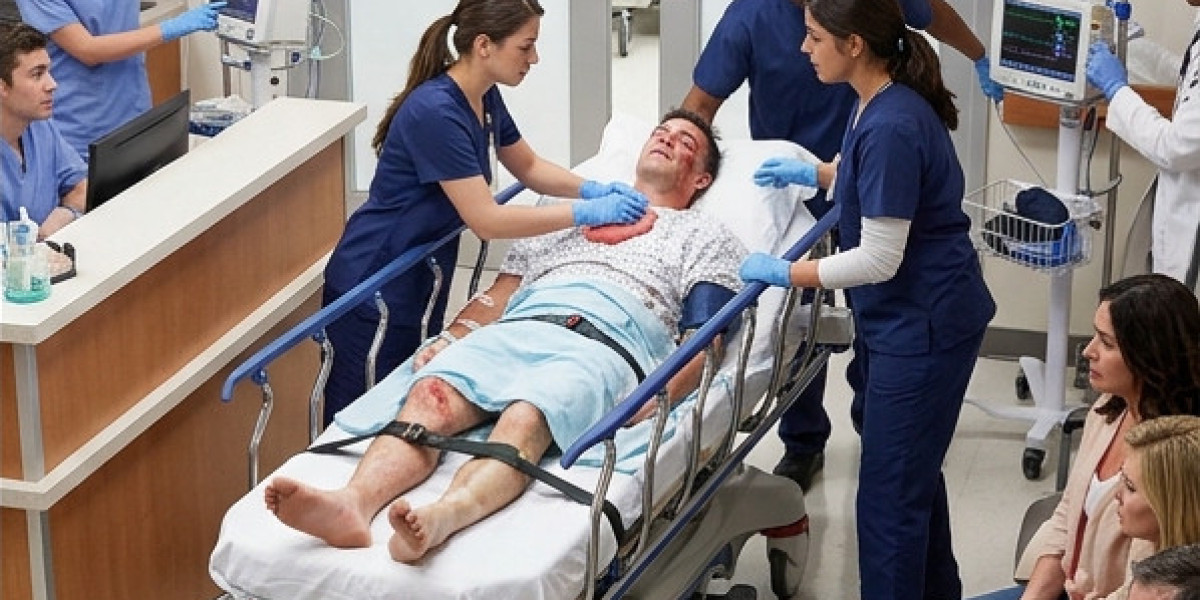
Medical emergencies and unexpected illnesses often happen when people least expect them. In these stressful moments, patients must quickly decide where to seek treatment. Unfortunately, many people make mistakes when choosing between urgent care and the emergency room, and these errors can lead to delayed treatment, higher healthcare costs, increased anxiety, and even serious health complications.
Understanding urgent care vs emergency room is not just about convenience. It is about ensuring you receive the right level of medical care at the right time. Every year, countless patients either visit emergency rooms unnecessarily or delay emergency treatment because they believe urgent care can handle severe conditions.
Knowing the most common mistakes people make can help you avoid delays, protect your health, and make informed healthcare decisions when every minute counts.
Why Choosing the Correct Facility Matters
Healthcare facilities are designed to provide different levels of treatment.
Urgent care centers are generally intended for:
- Minor illnesses
- Mild injuries
- Non-life-threatening conditions
- Same-day medical needs
Emergency rooms are designed for:
- Severe injuries
- Life-threatening conditions
- Critical medical emergencies
- Advanced diagnostic and treatment services
The biggest challenge in urgent care vs emergency room decisions is recognizing which symptoms require emergency intervention and which can safely be treated elsewhere.
Mistake #1: Ignoring Chest Pain
One of the most dangerous healthcare mistakes is dismissing chest pain as a minor issue.
Chest discomfort may indicate:
- Heart attack
- Blood clot
- Serious cardiovascular problems
- Severe respiratory conditions
Many people delay treatment because the pain seems mild or temporary.
In urgent care vs emergency room situations involving chest pain, emergency care is almost always the safest choice.
Mistake #2: Using the Emergency Room for Minor Cold Symptoms
Emergency rooms frequently treat patients with:
- Mild coughs
- Runny noses
- Sore throats
- Mild fever
While these symptoms may be uncomfortable, they often do not require emergency services.
Choosing emergency care for minor illnesses may result in:
- Higher medical bills
- Longer waiting times
- Increased healthcare system congestion
Urgent care is usually more appropriate for these conditions.
Mistake #3: Underestimating Breathing Problems
Some people wait too long before seeking help for breathing difficulties.
Danger signs include:
- Severe shortness of breath
- Rapid breathing
- Blue lips
- Chest tightness
- Difficulty speaking
Breathing emergencies can worsen rapidly and require immediate medical attention.
Understanding urgent care vs emergency room helps patients recognize when breathing symptoms become dangerous.
Mistake #4: Assuming Severe Injuries Can Wait
Many injuries initially appear less serious than they actually are.
Examples include:
- Fractures
- Head injuries
- Internal bleeding
- Deep wounds
Delaying treatment may lead to:
- Increased complications
- Longer recovery times
- Permanent damage
Prompt medical evaluation is critical for severe injuries.
Mistake #5: Choosing Treatment Based Only on Cost
Healthcare expenses are important, but financial concerns should never override safety.
Some patients avoid emergency care because they fear:
- High medical bills
- Insurance costs
- Deductibles
- Unexpected expenses
While urgent care is generally more affordable, severe symptoms require emergency treatment regardless of cost.
In urgent care vs emergency room decisions, health and safety should always come first.
Mistake #6: Ignoring Stroke Symptoms
Stroke treatment depends heavily on timing.
Warning signs include:
- Facial drooping
- Speech difficulty
- Arm weakness
- Sudden confusion
- Loss of balance
Every minute matters during a stroke.
Seeking emergency care immediately can significantly improve outcomes.
Mistake #7: Delaying Treatment for Severe Allergic Reactions
Allergic reactions can escalate quickly.
Emergency warning signs include:
- Throat swelling
- Severe facial swelling
- Difficulty breathing
- Rapid symptom progression
- Dizziness
Patients sometimes assume antihistamines will solve the problem, but severe reactions require emergency intervention.
Mistake #8: Misjudging Fever Severity
Fever itself is not always dangerous, but associated symptoms may indicate a serious medical condition.
Emergency evaluation may be needed when fever occurs with:
- Seizures
- Severe dehydration
- Confusion
- Persistent vomiting
- Difficulty breathing
Understanding symptom combinations helps clarify urgent care vs emergency room decisions.
Mistake #9: Not Understanding Triage Systems
Many people become frustrated when emergency rooms do not see them immediately.
Emergency departments use triage systems that prioritize:
- Life-threatening emergencies
- Critical injuries
- Severe illnesses
Patients with minor symptoms may wait longer because more serious cases receive priority treatment.
Knowing how triage works helps patients set realistic expectations.
Mistake #10: Waiting Too Long to Seek Any Care
Perhaps the most common mistake is simply delaying treatment.
People often postpone care because:
- Symptoms seem minor
- Work responsibilities interfere
- They hope symptoms will improve
- They fear healthcare costs
Unfortunately, delayed treatment can allow conditions to worsen significantly.
Whether choosing urgent care or emergency services, prompt medical attention often leads to better outcomes.
The Hidden Cost of Poor Healthcare Decisions
Choosing the wrong healthcare setting can lead to:
- Additional appointments
- Hospital admissions
- Extended recovery periods
- Increased healthcare expenses
- Greater emotional stress
Healthcare awareness helps patients avoid these consequences.
How Symptom Awareness Improves Outcomes
Patients who recognize warning signs are more likely to:
- Seek timely treatment
- Receive proper care
- Avoid complications
- Recover more quickly
Learning the differences between urgent care vs emergency room empowers individuals to make better decisions under pressure.
Why Families Should Discuss Emergency Plans
Families benefit from preparing for medical emergencies before they occur.
An effective plan may include:
- Emergency contacts
- Medical histories
- Insurance information
- Healthcare facility locations
- Emergency warning sign education
Preparation reduces panic and improves response times during urgent situations.
Building Confidence in Healthcare Decisions
One reason people make mistakes is uncertainty.
Patients often ask:
- Is this serious?
- Can it wait?
- Should I go now?
- Am I overreacting?
Education and awareness help answer these questions more effectively.
The more people understand urgent care vs emergency room, the more confidently they can navigate healthcare decisions.
Long-Term Benefits of Choosing Correctly
Making informed healthcare choices can:
- Improve health outcomes
- Reduce stress
- Lower medical expenses
- Increase treatment efficiency
- Enhance patient satisfaction
Healthcare literacy benefits both individuals and communities.
Conclusion
Understanding urgent care vs emergency room differences can help patients avoid costly mistakes that delay treatment and increase healthcare expenses. Whether it involves recognizing chest pain, understanding stroke symptoms, evaluating injuries, or responding to allergic reactions, making the correct healthcare decision can significantly impact outcomes.
By learning the warning signs of serious medical emergencies and understanding which conditions can be treated in urgent care, patients can receive timely, effective care while minimizing unnecessary risks and expenses. Preparation, awareness, and prompt action remain the keys to successful healthcare decision-making.
FAQs
1. Why do people commonly choose the wrong healthcare facility?
Many patients lack information about symptom severity and are unsure which conditions require emergency treatment.
2. Can delaying treatment make a medical condition worse?
Yes. Many illnesses and injuries become more serious when treatment is postponed.
3. What role does symptom awareness play in healthcare decisions?
Recognizing warning signs helps patients seek appropriate treatment faster and reduce complications.
4. Should emergency care ever be delayed because symptoms seem mild?
Some serious conditions initially present with mild symptoms, making prompt evaluation important when warning signs exist.
5. How can families prepare for medical emergencies?
Creating an emergency plan, learning warning signs, and understanding healthcare options can improve emergency response.






