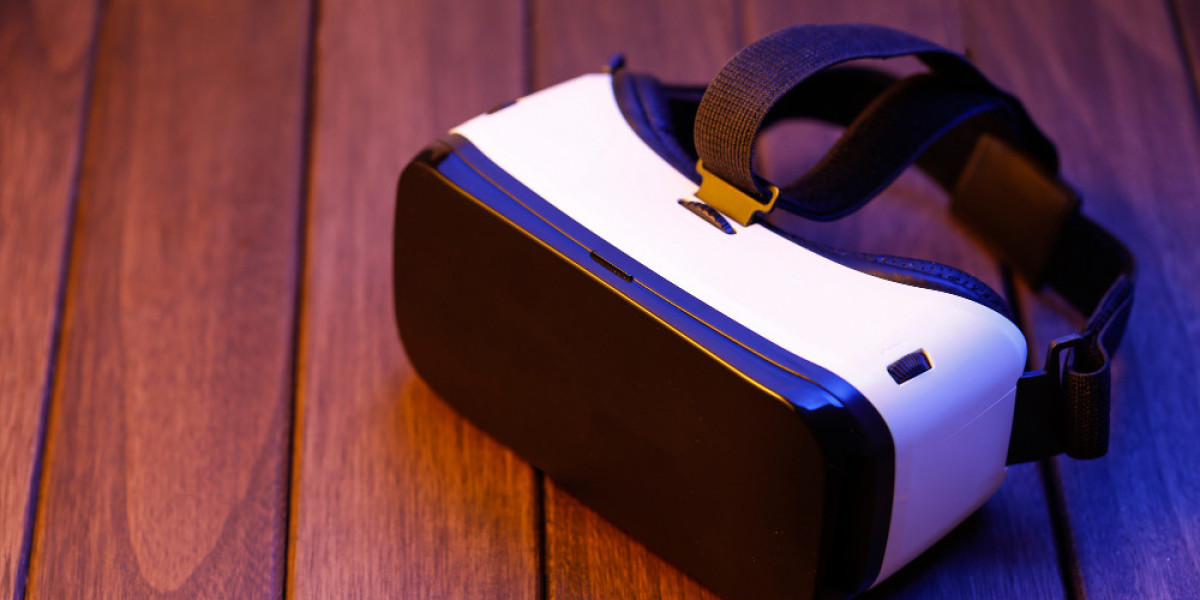
A pancake optical module is an advanced optical system used in modern AR (Augmented Reality) and VR (Virtual Reality) devices. It is designed to make headsets smaller, lighter, and more comfortable while still delivering high-quality images.
Many B2B buyers and engineers face common problems such as:
- VR headsets that are too bulky and heavy
- Poor image clarity in compact devices
- Limited space for optical components
- User discomfort during long usage
The pancake optical module solves these problems using a folded light path design that reduces device size without losing performance.
What is a Pancake Optical Module?
A pancake optical module is a compact optical system that uses multiple reflections between lenses and polarizers to “fold” the light path.
Instead of letting light travel in a straight line (like traditional VR lenses), it bends the light inside the system multiple times.
This allows:
- Smaller headset size
- Better weight balance
- Improved image sharpness
- Compact optical design
It is widely used in next-generation VR headsets and premium AR devices.
Why Pancake Optical Modules Are Needed
Traditional VR optical systems have several limitations:
- Devices are too large and front-heavy
- Users feel neck strain after long use
- Optical systems require more space
- Limited design flexibility
As AR/VR markets grow, manufacturers need smaller and more efficient optical solutions.
The pancake optical module helps solve these design and engineering challenges.
How a Pancake Optical Module Works (Simple Explanation)
The system uses a clever “folded light path” technique:
1. Display Source
A micro display (like micro OLED) produces the image.
2. Polarization Layer
Light is polarized and directed into the optical system.
3. Reflection Loop
The light reflects multiple times between lenses and mirrors inside the module.
4. Output Lens
Finally, the light is directed into the user’s eye, forming a clear virtual image.
This folded path reduces the physical distance needed for image projection.
Key Problems Solved by Pancake Optical Modules
1. Bulky VR Headsets
Traditional optics require long space. Pancake modules reduce device thickness.
2. User Fatigue
Lighter and balanced design reduces strain on head and neck.
3. Limited Industrial Design
Compact structure allows more modern and flexible headset designs.
4. Image Quality Loss
Advanced reflection control keeps images sharp and clear.
5. Poor Portability
Smaller devices are easier to carry and use in mobile applications.
Advantages of Pancake Optical Modules
Ultra-Compact Design
Reduces headset size significantly compared to traditional optics.
High Image Quality
Maintains sharp resolution and contrast.
Lightweight Structure
Improves user comfort during long sessions.
Better Industrial Design Flexibility
Allows slim and stylish AR/VR products.
Suitable for Premium Devices
Used in high-end VR headsets and immersive systems.
Limitations of Pancake Optical Modules
1. Light Loss
Multiple reflections can reduce brightness if not optimized.
2. Higher Cost
Advanced optical components increase production cost.
3. Complex Manufacturing
Requires precise alignment and high-quality materials.
4. Heat Management Issues
Compact systems need careful thermal design.
Industrial and B2B Applications
Pancake optical modules are widely used in:
1. VR Gaming Headsets
High-end immersive gaming devices.
2. AR Smart Glasses
Compact wearable display systems.
3. Training Simulators
Used in aviation, military, and medical simulation systems.
4. Industrial Visualization Tools
Used for maintenance and remote assistance systems.
5. Prototyping and R&D Devices
Used in optical labs and product development.
Pancake Optical Module vs Traditional Fresnel Lens System
| Feature | Pancake Optical Module | Fresnel Lens System |
|---|---|---|
| Size | Very compact | Larger |
| Weight | Lightweight | Heavier |
| Image Quality | High | Medium |
| Brightness | Slightly reduced | Higher |
| Design Flexibility | High | Limited |
| Cost | High | Low |
Why B2B Buyers Should Care
For manufacturers, OEM suppliers, and AR/VR developers, pancake optical modules represent the future of compact display systems.
They help:
- Reduce product size
- Improve user comfort
- Compete in premium markets
- Increase product value
- Meet modern design expectations
Just like precision mechanical parts (such as bearings ensure smooth and reliable motion in machines), optical modules ensure smooth, accurate, and high-quality visual performance in AR/VR systems.
Future of Pancake Optical Technology
The technology is evolving quickly due to:
- Growth of lightweight VR devices
- Demand for wearable AR glasses
- Improvements in micro OLED displays
- Advanced coating technologies
- AI-based optical calibration systems
Future developments may include:
- Higher brightness efficiency
- Lower production cost
- Ultra-thin wearable designs
- Improved thermal management
- Hybrid optical systems combining waveguide and pancake designs
Conclusion
A pancake optical module is a powerful optical innovation that makes AR/VR headsets smaller, lighter, and more comfortable while maintaining high image quality.
For B2B buyers and manufacturers, it is a key technology for developing next-generation immersive devices.
Although it is more complex and costly than traditional systems, its performance advantages make it essential for premium AR/VR products.