
Introduction
In an increasingly digital world, organizations face growing demands for secure, efficient identification and data management solutions. Radio Frequency Identification (RFID) technology has become a powerful tool to meet these needs. By enabling wireless communication and automated data collection, RFID simplifies processes across diverse sectors—from business offices and schools to healthcare and transportation. Its ability to boost security, reduce errors, and improve operational efficiency is making RFID an indispensable part of today’s infrastructure. As technology advances, the influence of RFID systems in everyday business operations continues to expand.
What Is RFID Technology?
RFID stands for Radio Frequency Identification, a technology that uses radio waves to automatically identify and track objects or people. Unlike traditional barcodes, RFID does not require scanning with direct contact or line of sight. Instead, RFID systems consist of tags, readers, and software that communicate wirelessly to exchange information.
Each RFID tag contains a microchip and antenna that stores data. When the tag comes near a reader, the reader captures the information instantly and sends it to a management system. This wireless, automated data exchange enhances speed, accuracy, and efficiency.
With the rise of automation and security needs, RFID has become one of the most widely adopted technologies across many industries.
Main Components of an RFID System
An RFID system is made up of three essential parts:
RFID Tags
Small electronic devices attached to products, assets, or ID cards, storing unique data about the item or person.
RFID Readers
Devices that communicate with tags via radio signals, collecting data and forwarding it to software for processing.
Management Software
Centralized software that organizes, analyzes, and manages the data collected by RFID readers, enabling informed decision-making.
Together, these elements create a streamlined, efficient identification ecosystem.
Why Businesses Are Embracing RFID Solutions
More organizations are adopting RFID because it offers several clear advantages:
Enhanced Security
RFID enables controlled access by authenticating individuals with unique IDs, helping to prevent unauthorized entry.
Faster Data Capture
Automation speeds up data collection, eliminating time-consuming manual entry and reducing mistakes.
Increased Accuracy
Electronic data collection significantly lowers human error, leading to more reliable records and smoother operations.
Contactless Operation
RFID works without physical contact, making it convenient especially in busy or high-traffic environments.
Real-Time Monitoring
Organizations gain instant visibility into assets, inventory, and personnel movement, improving decision-making and resource allocation.
RFID Applications in Various Industries
RFID technology serves a wide range of purposes across different fields:
Access Control
Businesses use RFID-enabled ID cards to regulate entry to offices and secure areas, maintaining detailed access logs.
Employee Attendance
RFID automates attendance tracking by recording employee check-ins and check-outs, simplifying workforce management.
Education
Schools and universities utilize RFID for student IDs, attendance, library systems, and campus security.
Healthcare
Hospitals track medical equipment, patient information, and improve workflow efficiency with RFID.
Transportation and Parking
RFID facilitates vehicle identification, parking access control, and electronic toll payments.
Inventory Management
Warehouses and manufacturers monitor stock levels, movement, and supply chains using RFID systems.
Benefits of RFID for Asset Tracking
Tracking valuable assets across multiple locations is a challenge RFID addresses effectively by providing real-time insights. Key benefits include:
- Minimizing asset loss
- Improving inventory accuracy
- Speeding up audits
- Boosting productivity
- Enhancing resource utilization
- Reducing operational costs
By automating asset monitoring, businesses save time and increase accountability.
Choosing Quality RFID Solutions
Successful RFID implementation depends greatly on the quality of products and support. Organizations should select experienced suppliers who offer reliable, durable RFID products customized for industry needs. Trusted manufacturers ensure seamless integration and long-term performance, maximizing investment value and minimizing risks.
Security Features in Modern RFID Systems
Security is a top priority in RFID technology. Modern systems protect sensitive data through:
Data Encryption
Secures communication between tags and readers to prevent unauthorized interception.
Authentication Protocols
Verify user identities before granting access to restricted areas or information.
Role-Based Access Control
Assigns access rights based on job roles, limiting permissions to necessary resources.
Secure Data Storage
Stores sensitive information safely to reduce risks of breaches.
These measures make RFID a dependable security solution.
Emerging Trends in RFID Technology
RFID technology continues to evolve with new innovations:
IoT Integration
Combining RFID with Internet of Things (IoT) platforms enables smarter real-time monitoring and automation.
Cloud-Based Systems
Cloud management allows centralized control of RFID systems across multiple locations.
Mobile Compatibility
Smartphone integration enhances convenience and flexibility in RFID use.
Advanced Data Analytics
Analyzing RFID data helps identify trends, optimize processes, and improve decision-making.
Eco-Friendly Manufacturing
Growing focus on sustainability drives development of recyclable and environmentally friendly RFID products.
Future Prospects for RFID
As organizations progress in digital transformation, RFID’s role will grow deeper. Artificial intelligence, machine learning, and predictive analytics will enhance capabilities, providing richer insights into customer behavior, inventory flow, workforce productivity, and asset use. Demand for faster, smarter, and more integrated RFID solutions will continue to fuel innovation in this space.
The Rise of Smart Identification Systems
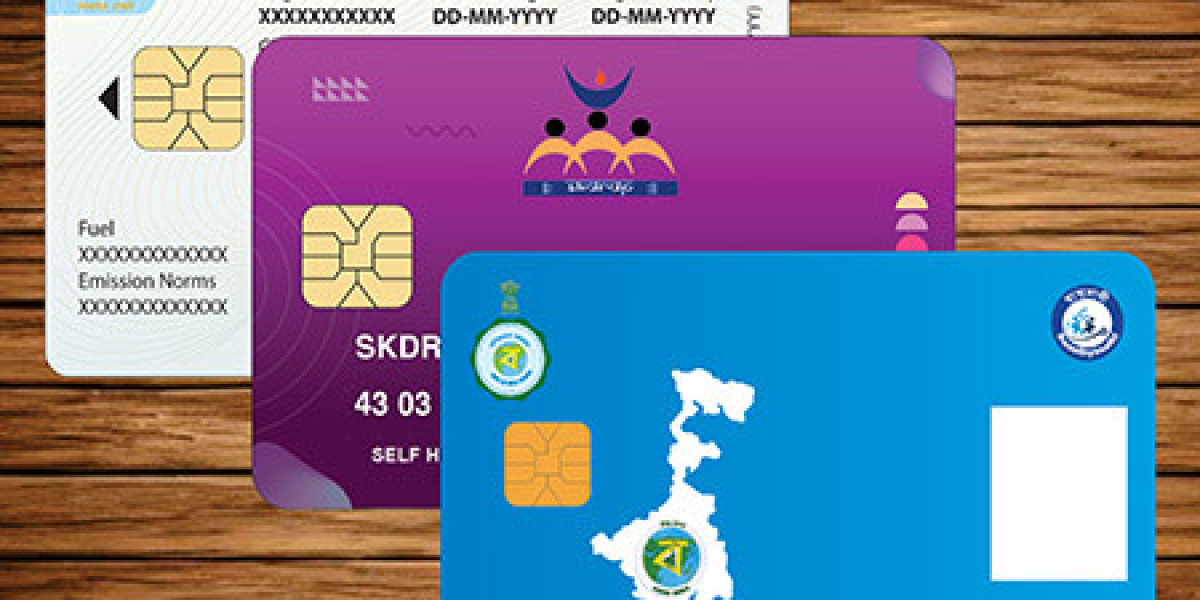
Modern businesses seek multi-functional identification tools, boosting the popularity of RFID smart cards. These versatile cards support access control, attendance, cashless payments, visitor tracking, parking, and secure authentication—all within one platform. This versatility simplifies operations and enriches user experience, driving steady growth in smart RFID solutions.
Conclusion
RFID technology has revolutionized how businesses secure, identify, and manage operations. Its speed, accuracy, and contactless nature make it a valuable asset for improving efficiency and reliability. From access control to asset tracking, RFID applications are expanding across industries. As digital transformation accelerates, investing in advanced RFID systems is becoming essential for organizations aiming to stay competitive and secure. With ongoing innovation and rising adoption, RFID will remain a cornerstone of smart, connected business environments in the future.
More Details: id-smartcards.com






