
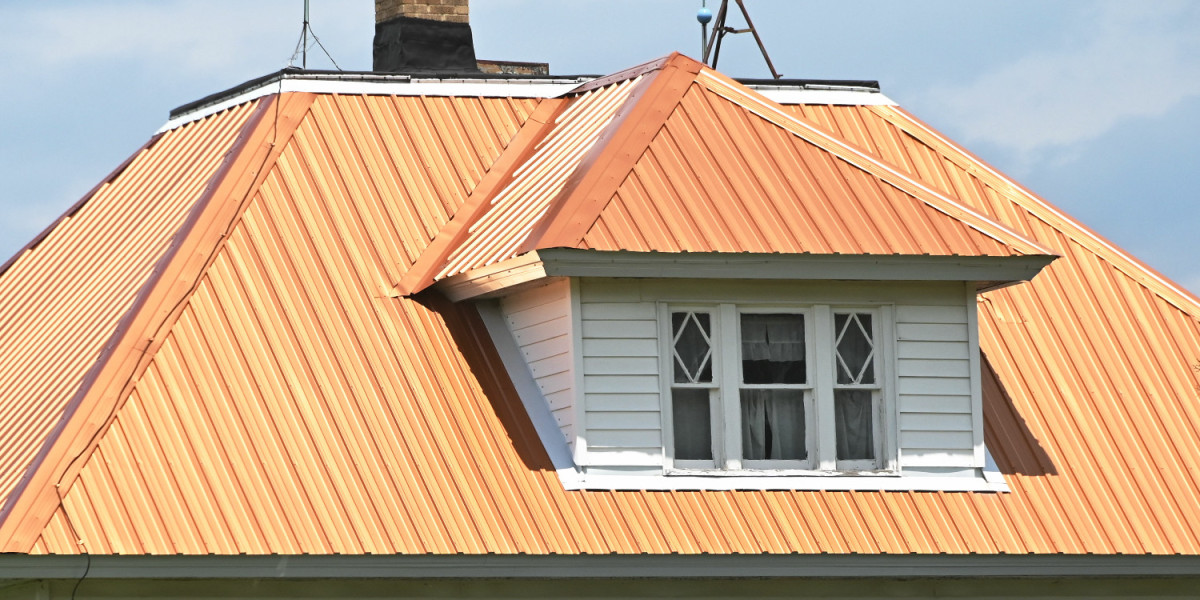
What is Copper Roofing
Copper roofing is a high-end roofing system made from natural copper metal sheets that are installed on residential, commercial, and historical buildings. It is widely known for its exceptional durability, strength, and unique appearance that naturally evolves over time. When exposed to air and moisture, copper forms a protective layer called patina, which gradually turns into a greenish finish. This layer protects the metal from corrosion and increases its lifespan. Copper roofing performs extremely well in harsh weather conditions such as heavy rain, snow, wind, and heat, making it one of the most reliable roofing materials in modern construction.
Benefits of Copper Roofing
Copper roofing offers outstanding long-term benefits that make it a premium choice for property owners and architects. Its most important advantage is its extremely long lifespan, often lasting several decades with minimal maintenance. It is naturally resistant to corrosion, fire, and extreme weather conditions, which makes it highly reliable in different climates. Copper also develops a protective patina layer that enhances both durability and appearance over time. Additionally, it requires very little maintenance compared to other roofing materials, making it a cost-effective solution in the long run.
- Extremely long lifespan with minimal replacement needs
- Natural corrosion resistance and protective patina formation
Installation Process of Copper Roofing
The installation of copper roofing requires high precision and professional expertise due to the material’s value and sensitivity. First, the roof structure is carefully inspected to ensure it can support copper sheets. A high-quality underlayment is then installed to provide insulation and moisture protection. Copper sheets are measured, cut, and placed in overlapping patterns to ensure proper water drainage. Specialized fasteners are used to avoid damaging the material while securing it firmly. Finally, all seams and joints are sealed carefully to ensure a fully waterproof and durable roofing system.
Cost Factors of Copper Roofing
Copper roofing is considered a premium investment due to its high material quality and long lifespan. The overall cost depends on several key factors including roof size, copper sheet thickness, and design complexity. Labor cost is also higher because skilled professionals are required for proper installation. Roof shape, slopes, and detailing can further increase the total expense. Although the initial cost is significantly higher than other roofing options, copper roofing provides long-term savings due to its durability and extremely low maintenance requirements.
- Roof size and copper material thickness
- Skilled labor and installation complexity
Types of Copper Roofing
There are several types of copper roofing systems used depending on design and architectural needs. Standing seam copper roofing is one of the most popular options, known for its modern appearance and strong water resistance. Copper shingles provide a more traditional and decorative look, often used in luxury and historical buildings. Flat seam copper roofing is used for complex roof structures where flexibility and precision are required. Each type offers unique advantages based on building style, durability needs, and design preference.
Maintenance of Copper Roofing
Copper roofing requires very little maintenance compared to other roofing materials, which is one of its biggest advantages. Regular inspections are still important to ensure that seams, joints, and flashing remain in good condition. Cleaning is minimal because copper naturally resists dirt and corrosion. However, after extreme weather conditions, it is recommended to check for any physical damage or loose fittings. Proper maintenance ensures long-term performance and helps preserve both functionality and aesthetic appeal.
Common Problems in Copper Roofing
Although copper roofing is extremely durable, a few minor issues can still occur over time. Scratches or dents may appear due to impact from external objects. Poor installation can sometimes lead to loose seams or minor water leakage. In some cases, uneven patina development may affect the visual appearance of the roof. However, these issues are rare and can be easily prevented with professional installation and periodic inspection, ensuring long-lasting performance and reliability.
Environmental Impact of Copper Roofing
Copper roofing is considered an environmentally friendly roofing option because it is fully recyclable and extremely durable. Its long lifespan reduces the need for frequent replacement, which helps minimize construction waste. Copper does not release harmful substances and requires very little maintenance over time. Its recyclability makes it a sustainable choice for eco-friendly and green building projects. This makes copper roofing an ideal option for environmentally conscious construction.
Applications of Copper Roofing
Copper roofing is widely used in luxury homes, historical buildings, churches, museums, and high-end commercial structures. It is especially popular in architectural projects where durability and aesthetics are equally important. Its unique appearance enhances building design and adds a premium visual appeal. It is also used in modern architecture for its strength, weather resistance, and long-term performance, making it suitable for both decorative and functional roofing needs.
Conclusion
Copper roofing is one of the most durable and premium roofing systems available today, offering exceptional longevity, strength, and aesthetic value. It performs well in all weather conditions and requires minimal maintenance over its lifetime. Understanding its benefits, installation process, and cost factors helps property owners make informed decisions. With proper installation and care, copper roofing provides long-term protection, sustainability, and a high-end architectural finish that adds lasting value to any property.






