
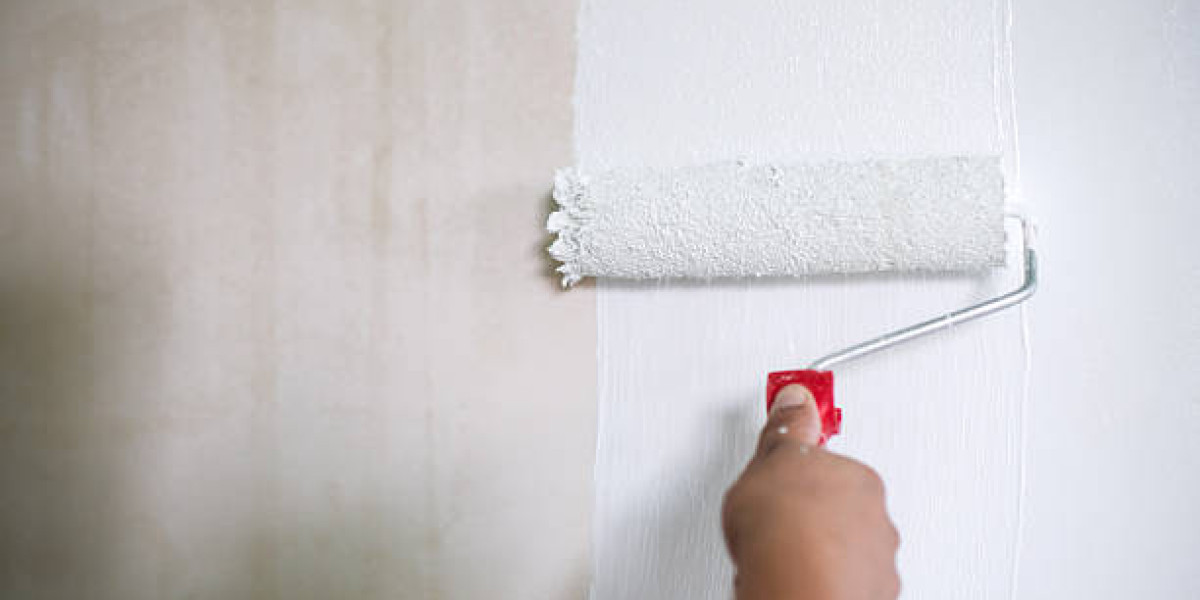
Picking a roller cover sounds simple. It’s not. You grab whatever’s on the shelf, roll some paint, hope for the best… and then wonder why the wall looks patchy or weirdly streaky. I’ve seen it too many times. Truth is, 9 inch paint roller covers aren’t all built the same, not even close. The material, the nap, even how tightly it’s made—it all matters more than people think. If you get it right, painting feels easy. If you don’t, you’ll fight the wall the whole way through. Let’s break it down without overcomplicating things.
Why the 9 Inch Size Is the Go-To
There’s a reason pros keep reaching for this size, and it’s not just habit. A 9-inch roller hits that middle ground. Wide enough to cover space fast, but not so bulky that you lose control, especially on walls or ceilings where precision still matters. Smaller rollers? Too slow. Bigger ones? Can get messy, awkward around edges. With 9 inch paint roller covers, you get a smoother rhythm—dip, roll, reload, repeat. It just works for most projects, from basic interior walls to slightly rougher surfaces outside.
Understanding Nap Length (This Is Where Most People Mess Up)
Nap length is basically how thick or fluffy the roller cover is. Short nap, long nap, somewhere in between. Sounds simple, but choosing wrong here will wreck your finish. Smooth walls? You want a short nap, like 1/4 inch or 3/8. Anything thicker and you’ll end up with too much texture. On the flip side, rough surfaces—brick, stucco, even heavy drywall texture—need a longer nap so the paint actually reaches into all those dips and grooves. A 1/2 inch or 3/4 inch nap works better there. People skip this step, grab whatever’s cheapest, then blame the paint. It’s not the paint.
Material Matters More Than You Think
Roller covers come in different materials—synthetic, natural, blended. Each one behaves differently, and yeah, you’ll notice it once you start rolling. Synthetic covers, like polyester or nylon, are solid for most water-based paints. They hold up well, don’t shed much if they’re decent quality. Natural fibers, like lambswool, carry more paint and give a smoother finish, but they’re usually better for oil-based stuff. Then you’ve got blends, which try to do both. Honestly, if you’re unsure, a good synthetic or blend will cover most jobs without drama.
Shed Resistance (Because Nobody Likes Fuzzy Walls)
Nothing worse than finishing a coat and spotting little fibers stuck in the paint. Cheap roller covers tend to shed. A lot. Higher-quality ones are made tighter, so they don’t fall apart mid-job. Before you even dip it in paint, run your hand over the roller or give it a quick rinse and shake. If fibers come off easily, it’s a bad sign. Spend a bit more upfront—it saves time, and sanity, later.
Matching the Roller to Your Paint Type
Not all paints behave the same, so your roller shouldn’t be a random pick. Thick paints, like primers or high-build coatings, need a roller that can carry more material without dripping everywhere. Thinner paints? You don’t need that bulk. Using the wrong cover here leads to uneven coats, or worse, constant reloading. It slows everything down. A decent rule—match heavier paints with thicker nap and more absorbent material. Lighter paints, go thinner and smoother.
Surface Type: Smooth vs Rough (Don’t Ignore This)
This ties back to nap, but it’s worth repeating because it’s where most mistakes happen. Smooth drywall, cabinets, doors—you want control and a fine finish. Rough concrete, fences, exterior walls—you want coverage and reach. Trying to use one roller for everything? That’s where frustration kicks in. It’s not about having ten different rollers, just picking the right one for the surface you’re actually working on.
When You Need the Best Roller for Epoxy
Epoxy is a different beast. Thick, sticky, and not very forgiving. You can’t just grab any roller and expect a clean finish. If you’re working with coatings like garage floor epoxy, you’ll want something durable, usually a lint-free synthetic with a tighter nap. That’s where finding the best roller for epoxy really matters, because a cheap cover will shed, drag, or just fall apart halfway through. Look for high-density foam or specialized woven covers designed for epoxy systems. They handle the weight better, and they don’t leave junk behind in the coating. It’s one of those times where cutting corners costs more in the end.
Don’t Forget About Roller Core Quality
Most people ignore the core—the plastic tube inside the roller cover. But it matters. Cheap cores can soften or warp, especially with heavy paints or solvents. When that happens, the roller doesn’t spin right. You’ll feel it dragging, sticking, just… off. A good core stays firm and keeps the roller moving smoothly. It’s a small detail, but once you notice it, you won’t go back.
Price vs Value (Yeah, There’s a Difference)
You don’t need the most expensive roller on the shelf. But the cheapest? Usually a mistake. Mid-range covers often hit the sweet spot—good material, decent construction, less shedding. If you’re doing a one-time small job, fine, go basic. But for anything bigger, or anything you care about looking clean, spend a little more. It pays off in fewer headaches and better results.
Conclusion
Choosing the right roller cover isn’t complicated, but it does take a bit of attention. Size, nap, material, surface—get those lined up and everything else falls into place. Ignore them, and you’ll feel it pretty quickly once you start painting. The good news? Once you’ve used the right 9 inch paint roller covers, you’ll notice the difference right away. Smoother finish, faster work, less frustration. And honestly, that’s the whole point. Painting doesn’t have to be a struggle, but the tools you pick decide a lot of that.