
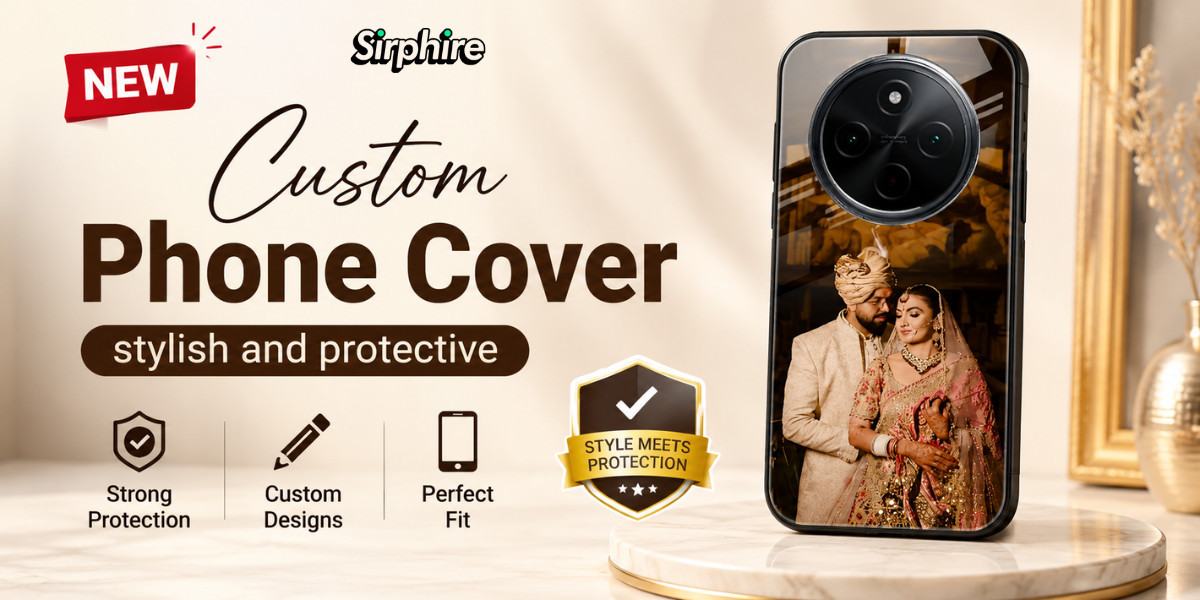
Choosing a mobile cover may seem simple, but the material you select can significantly impact your smartphone's safety, durability, and appearance. With smartphones becoming more expensive and essential to daily life, protecting them from accidental drops, scratches, and wear has never been more important.
Today, the market offers a wide range of options, including TPU, silicone, plastic, and hybrid cases. Each material has unique strengths and limitations, making it suitable for different users and lifestyles.
Whether you're looking for a stylish designer case, a highly protective solution, or an affordable everyday option, understanding the differences between these materials can help you make a smarter purchase decision.
In this guide, we'll break down the most popular customize mobile cover materials, compare their performance, and explain which one might be the best fit for your needs.
Why Mobile Cover Material Matters
Many people focus primarily on design when selecting a phone case. While aesthetics are important, the material determines how effectively the cover protects your device.
A quality cover should:
Absorb impact from drops
Protect against scratches
Provide a comfortable grip
Resist discoloration and wear
Maintain compatibility with screen protection solutions
Preserve the phone's appearance over time
The right material can mean the difference between a minor scuff and an expensive repair.
Understanding TPU Mobile Covers
What Is TPU?
TPU (Thermoplastic Polyurethane) is one of the most popular materials used in modern smartphone accessories. It combines the flexibility of silicone with the durability of hard plastic.
A TPU mobile cover is designed to absorb impact while maintaining its shape over time.
Advantages of TPU Covers
Excellent shock absorption
Flexible yet durable structure
Resistant to cracking
Lightweight design
Better grip compared to hard plastic
Long-lasting performance
Potential Drawbacks
May yellow over time if low-quality materials are used
Slightly bulkier than ultra-thin plastic cases
Best For
TPU covers are ideal for users seeking a balance between protection, appearance, and affordability.
Many premium manufacturers use advanced TPU materials that undergo extensive drop-testing to provide enhanced smartphone protection without excessive bulk.
Understanding Silicone Mobile Covers
What Is Silicone?
Silicone is a soft, rubber-like material known for its flexibility and comfortable feel.
Many users choose silicone covers because they provide a smooth texture and improved grip.
Advantages of Silicone Covers
Soft-touch finish
Excellent grip
Comfortable handling
Effective minor-impact protection
Easy installation and removal
Potential Drawbacks
Can attract dust and lint
May stretch over time
Less resistant to sharp impacts compared to reinforced TPU
Best For
Silicone cases are suitable for users who prioritize comfort and grip during everyday use.
Understanding Plastic Mobile Covers
What Is Plastic?
Plastic covers are typically made from Polycarbonate (PC), a rigid and lightweight material.
These anime cover is widely available and often feature slim profiles and creative designs.
Advantages of Plastic Covers
Lightweight construction
Slim appearance
Affordable pricing
Excellent print quality
Wide variety of designs
Potential Drawbacks
Limited shock absorption
Can crack after severe impacts
Less grip compared to TPU and silicone
Best For
Plastic cases work well for users who prioritize aesthetics and lightweight protection over heavy-duty impact resistance.
Understanding Hybrid Cases
What Is a Hybrid Mobile Cover?
Hybrid cases combine two or more materials, typically TPU and Polycarbonate, to maximize protection.
These cases are engineered to provide both shock absorption and structural rigidity.
Advantages of Hybrid Cases
Superior drop protection
Reinforced corners
Multi-layer defense
Improved durability
Enhanced structural support
Potential Drawbacks
Slightly heavier
More expensive than basic cases
Bulkier profile
Best For
Users who frequently travel, work outdoors, or require maximum smartphone protection often prefer hybrid cases.
Comparison Table: TPU vs Silicone vs Plastic vs Hybrid
FeatureTPUSiliconePlasticHybridShock AbsorptionExcellentGoodFairExcellentGripVery GoodExcellentAverageGoodDurabilityExcellentGoodAverageExcellentSlimnessGoodGoodExcellentModerateScratch ResistanceGoodAverageGoodExcellentDrop ProtectionExcellentGoodLimitedExcellentDesign FlexibilityExcellentGoodExcellentGoodValue for MoneyExcellentGoodGoodGood
Which Material Offers the Best Smartphone Protection?
For most smartphone users, TPU remains one of the best all-around choices.
It provides:
Reliable impact absorption
Lightweight construction
Long-term durability
Affordable pricing
Stylish design compatibility
Hybrid cases offer the highest protection levels, but they may not suit users who prefer slim designs.
Plastic cases excel in appearance, while silicone covers are often favored for grip and comfort.
The best choice ultimately depends on your daily habits and protection requirements.
Practical Examples
Example 1: Office Professional
A professional who primarily works indoors may prefer a slim TPU or printed phone cover that offers protection without adding bulk.
Example 2: Frequent Traveler
Someone constantly on the move may benefit from a hybrid protective back cover with reinforced corners and enhanced drop resistance.
Example 3: Student
Students often use their phones heavily throughout the day. A durable TPU case offers a practical combination of style, affordability, and protection.
Example 4: Design Enthusiast
Users who enjoy showcasing personal style may choose a designer mobile cover featuring high-quality printed graphics while maintaining adequate protection.
What to Look for When Buying a Phone Cover
Before purchasing a phone cover, consider the following:
Material Quality
Not all materials are manufactured equally. Premium-grade TPU and silicone generally outperform low-cost alternatives.
Drop Protection
Look for cases that have undergone durability or drop-testing.
Surface Finish
Glossy and matte finishes affect both appearance and grip.
Compatibility
Ensure the cover works seamlessly with screen protectors and Gorilla Glass-equipped devices.
Print Quality
If selecting a printed phone cover, check whether the design is resistant to fading and daily wear.
Industry Perspective: Why Material Innovation Matters
The smartphone accessories industry continues to evolve rapidly.
Modern manufacturers are combining advanced TPU compounds, reinforced edges, air-cushion technology, and precision engineering to improve protection without sacrificing aesthetics.
Brands such as Sirphire have embraced these innovations by offering premium TPU-based cases featuring:
High-quality printed designs
Silicone-enhanced protection
Glossy finishes
Gorilla Glass compatibility
Up to 9.8ft drop-tested durability
Affordable pricing
Free shipping options
Fast delivery within 2–4 working days
These advancements demonstrate how today's mobile accessories can deliver both style and practical protection.
Frequently Asked Questions
1. Which mobile cover material is best for drop protection?
TPU and hybrid cases generally offer the strongest drop protection due to their shock-absorbing properties.
2. Is TPU better than silicone?
TPU typically provides better durability and structural strength, while silicone offers superior grip and comfort.
3. Do plastic phone covers available for girls?
yes, phone covers for girls are also available in different different trending designs.
4. Are hybrid cases worth the extra cost?
For users who need enhanced smartphone protection, hybrid cases often justify the additional investment.
5. Can a mobile back cover prevent screen damage?
While a mobile back cover protects the rear and sides of the phone, combining it with a quality screen protector offers more comprehensive protection.
6. Do printed phone covers lose their design over time?
High-quality printed cases generally maintain their appearance much longer than low-quality alternatives, especially when advanced printing techniques are used.
Conclusion
Selecting the right mobile cover involves more than choosing a design you like. The material plays a crucial role in determining how well your smartphone is protected from daily accidents and long-term wear.
TPU offers an excellent balance of durability, flexibility, and value. Silicone provides comfort and grip, plastic delivers lightweight style, and hybrid cases maximize protection. Understanding these differences allows consumers to make informed decisions based on their lifestyle and usage habits.
For users seeking dependable smartphone protection without compromising on design, investing in a high-quality cover made from premium materials is one of the smartest decisions they can make.






