
Accurate diagnosis is the cornerstone of effective eye care. Every treatment plan, preventive strategy, and long-term management decision depends on the ability of eye care professionals to identify ocular conditions correctly and at the earliest possible stage. While basic vision assessments provide valuable information, they often do not reveal the full picture of a patient’s ocular health. This is where detailed eye examinations become essential.
Comprehensive eye evaluations allow clinicians to assess various structures of the eye, identify subtle abnormalities, and detect signs of disease that may otherwise remain unnoticed. Many eye conditions develop gradually and may not produce noticeable symptoms during their early stages. Without thorough examinations, these conditions can progress undetected, potentially leading to vision impairment or more complicated treatment requirements.
As ophthalmology continues to advance, detailed examinations have become increasingly important in supporting precise diagnoses and improving overall patient care.
Understanding the Importance of Comprehensive Evaluation
The human eye is a highly complex organ composed of multiple interconnected structures. Problems affecting one area can influence overall visual function and ocular health. A detailed examination enables clinicians to evaluate these structures systematically and identify issues that may not be apparent through routine screening alone.
Comprehensive assessments help evaluate:
- Corneal health
- Lens clarity
- Ocular surface condition
- Tear film quality
- Iris abnormalities
- Anterior chamber structures
This broader understanding of ocular health contributes to more accurate clinical decisions and improved treatment outcomes.
Early Detection of Eye Diseases
One of the most significant advantages of detailed eye examinations is the ability to identify diseases before symptoms become severe. Many ocular conditions progress silently during their initial stages, making routine evaluations essential for early intervention.
Conditions that often benefit from early detection include:
Corneal Disorders
Minor corneal abnormalities can develop into more serious conditions if left untreated. Early recognition allows clinicians to initiate treatment before vision becomes affected.
Cataracts
Gradual changes in the lens may not immediately impact daily activities. Detailed examinations help monitor progression and support timely treatment recommendations.
Dry Eye Disease
Early signs of tear film instability and ocular surface damage can be identified before symptoms significantly affect patient comfort.
Ocular Inflammation
Inflammatory conditions often begin with subtle tissue changes that require careful observation for accurate diagnosis.
Detecting these issues early improves treatment effectiveness and helps preserve long-term visual function.
Improving Diagnostic Accuracy
Accurate diagnosis requires more than symptom assessment alone. Many ocular conditions share similar symptoms, making detailed examinations essential for identifying the true underlying cause.
For example, symptoms such as redness, irritation, blurred vision, and discomfort may result from several different conditions. Thorough evaluation helps practitioners distinguish between these possibilities and develop appropriate treatment plans.
Improved diagnostic accuracy leads to:
- Better treatment decisions
- Reduced risk of misdiagnosis
- Enhanced patient outcomes
- Greater clinical confidence
- More efficient care delivery
The ability to gather detailed clinical information is fundamental to high-quality eye care.
Supporting Evidence-Based Treatment Planning
Treatment planning is most effective when based on accurate and comprehensive diagnostic findings. Detailed examinations provide clinicians with the information necessary to select the most appropriate interventions for each patient.
Comprehensive assessments support:
- Personalized treatment strategies
- Monitoring of disease progression
- Evaluation of treatment effectiveness
- Timely adjustments to care plans
- Prevention of complications
When practitioners understand the full extent of a condition, they can provide more targeted and effective care.
The Role of Advanced Diagnostic Technology
Modern diagnostic technologies have significantly enhanced the quality and precision of eye examinations. Improved magnification, illumination, and visualization capabilities allow clinicians to observe ocular structures in greater detail than ever before.
Companies such as Matronix Optotechnik provide advanced ophthalmic diagnostic solutions designed to support comprehensive anterior segment evaluation. Their equipment helps eye care professionals perform detailed assessments that improve diagnostic accuracy while maintaining efficient clinical workflows.
The integration of advanced technology into routine practice has become an important factor in delivering modern, patient-centered eye care.
Better Visualization Leads to Better Diagnosis
Detailed observation is one of the key elements of accurate diagnosis. Enhanced visualization allows clinicians to identify subtle structural changes that may indicate the presence of disease.
Practitioners can evaluate:
- Corneal transparency
- Surface irregularities
- Tissue inflammation
- Lens abnormalities
- Healing progression
- Early disease indicators
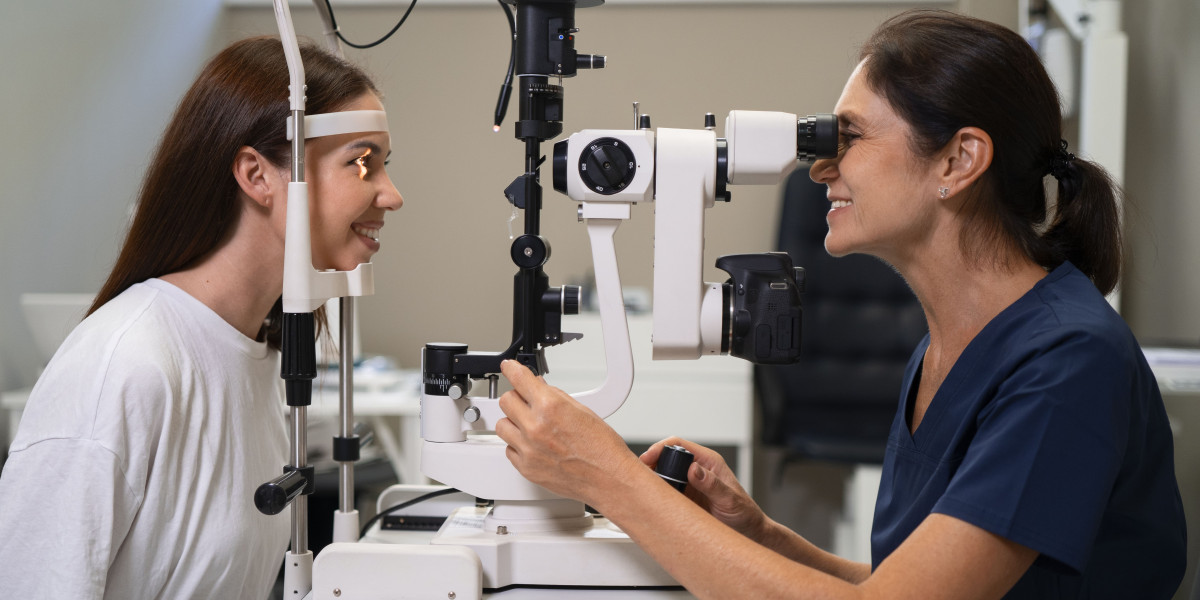
During a comprehensive Slit Lamp Examination, clinicians can observe anterior eye structures with exceptional magnification and illumination, making it easier to detect subtle abnormalities that support accurate diagnosis and timely treatment.
This level of detail significantly improves the quality of clinical assessments.
Enhancing Patient Confidence
Patients often feel more confident in their care when they know that examinations are thorough and comprehensive. Detailed evaluations demonstrate a commitment to accuracy and help patients understand the importance of ongoing eye health monitoring.
Benefits for patients include:
- Increased trust in clinical recommendations
- Greater understanding of their condition
- Improved treatment compliance
- Higher satisfaction with care
- Stronger engagement in preventive health practices
Confidence in the diagnostic process often contributes to better long-term healthcare outcomes.
Supporting Preventive Eye Care
Preventive care focuses on identifying health concerns before they become serious problems. Detailed eye examinations play a central role in this approach by helping clinicians detect early warning signs and risk factors.
Preventive evaluations can reveal:
- Early structural changes
- Signs of disease progression
- Ocular surface abnormalities
- Vision-threatening conditions
- Treatment-related complications
Early intervention helps reduce the likelihood of severe visual impairment and supports long-term eye health.
Long-Term Monitoring and Disease Management
Many ocular conditions require ongoing observation and management. Detailed examinations provide valuable baseline information and enable clinicians to track changes over time.
Long-term monitoring helps practitioners:
- Assess disease progression
- Evaluate treatment response
- Identify recurring issues
- Adjust care plans when necessary
- Maintain visual function
Consistent follow-up examinations are an important part of effective disease management.
Future Trends in Diagnostic Precision
Technological advancements continue to improve the accuracy and efficiency of eye examinations. Emerging innovations such as artificial intelligence, advanced imaging systems, and automated diagnostic support tools are expected to further enhance clinical capabilities.
Future developments may offer:
- Faster disease detection
- Improved diagnostic consistency
- Enhanced monitoring capabilities
- Better workflow integration
- More personalized patient care
These innovations will continue to strengthen the role of detailed examinations in modern ophthalmology.
Conclusion
Detailed eye examinations are essential for achieving accurate diagnosis, supporting early disease detection, and improving treatment outcomes. By providing comprehensive insights into ocular health, these evaluations enable clinicians to make informed decisions, develop effective treatment plans, and monitor patients more effectively over time. As diagnostic technologies continue to advance, thorough eye examinations will remain a fundamental component of high-quality eye care and long-term vision preservation.






