Introduction
A reliable water heater is one of the most important appliances in any home or commercial property. From hot showers and laundry to dishwashing and cleaning, a properly functioning water heater ensures comfort and convenience every day. However, many property owners overlook the importance of regular water heater maintenance until a problem occurs. Professional water heater service helps prevent unexpected breakdowns, improves energy efficiency, and extends the lifespan of the unit.
This guide explains the benefits of routine water heater service, common issues that affect performance, and why scheduling professional maintenance is a smart investment.
What Is Water Heater Service?
Water heater service refers to the inspection, cleaning, testing, and maintenance of a water heating system. Whether you own a traditional tank water heater or a modern tankless unit, regular servicing ensures that all components are functioning correctly.
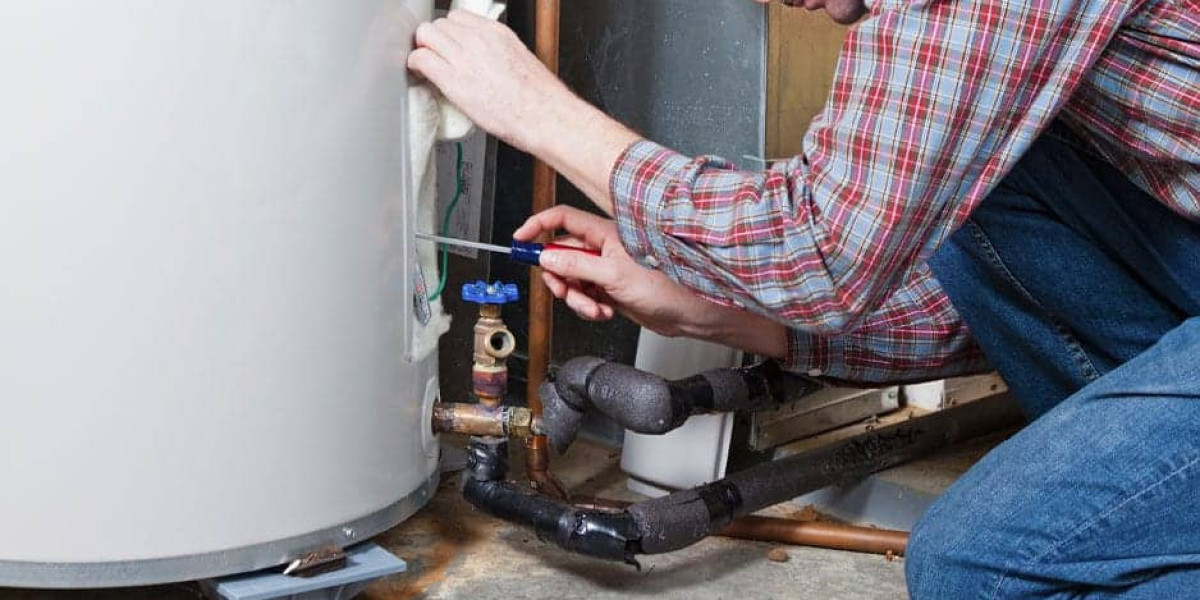
A professional technician typically checks the heating elements, thermostat, pressure relief valve, anode rod, water connections, and sediment buildup. These inspections help identify potential issues before they develop into costly repairs or system failures.
Benefits of Regular Water Heater Maintenance
Improved Energy Efficiency
Over time, minerals and sediment accumulate inside the water heater tank. This buildup forces the system to work harder to heat water, resulting in increased energy consumption. Routine maintenance removes sediment deposits and restores efficiency, helping reduce utility bills.
Longer Equipment Lifespan
Like any mechanical system, water heaters experience wear and tear over time. Regular inspections allow technicians to detect and address minor issues early, preventing excessive damage and extending the life of the equipment.
Consistent Hot Water Supply
A neglected water heater may struggle to maintain a consistent water temperature. Professional servicing ensures that heating components are functioning properly, allowing the unit to provide reliable hot water whenever needed.
Reduced Repair Costs
Preventive maintenance is significantly less expensive than emergency repairs or complete system replacement. Identifying problems early can save homeowners from costly breakdowns and unexpected expenses.
Common Water Heater Problems
Sediment Accumulation
Hard water contains minerals that settle at the bottom of the tank over time. Sediment buildup reduces heating efficiency, causes unusual noises, and may lead to overheating.
Corrosion and Rust
The interior of a water heater tank can develop corrosion if the protective anode rod wears out. Rust can weaken the tank structure and eventually cause leaks.
Faulty Thermostat
A malfunctioning thermostat may result in water that is too hot, too cold, or inconsistent in temperature. Regular inspections help ensure accurate temperature control.
Water Leaks
Leaks around valves, fittings, or the tank itself can cause water damage and reduce system performance. Early detection is essential to prevent major issues.
Pressure Relief Valve Failure
The temperature and pressure relief valve is a critical safety component. If it fails, excessive pressure can build inside the tank, creating a potentially hazardous situation.
Signs Your Water Heater Needs Service
Property owners should watch for warning signs that indicate maintenance or repair may be required:
- Inconsistent water temperature
- Reduced hot water supply
- Strange noises from the tank
- Rust-colored water
- Water leaks around the unit
- Increased energy bills
- Foul-smelling hot water
If any of these issues occur, scheduling professional water heater service promptly can help prevent more serious damage.
The Role of Water Quality in Water Heater Performance
Water quality has a significant impact on the efficiency and longevity of a water heater. Hard water contains high levels of minerals such as calcium and magnesium, which contribute to scale buildup inside the system.
Many homeowners choose to invest in a Softener Service program to reduce mineral deposits and protect plumbing equipment. Water softening systems help minimize sediment accumulation, improving overall water heater performance and efficiency.
Why Professional Water Heater Service Matters
While some basic maintenance tasks can be performed by property owners, professional servicing offers a more thorough evaluation of the system. Trained technicians have the tools and expertise needed to identify hidden issues and perform necessary adjustments safely.
Professional service provides:
- Comprehensive system inspections
- Accurate diagnostics
- Safe handling of gas and electrical components
- Proper tank flushing procedures
- Expert recommendations for repairs or upgrades
Routine professional maintenance helps ensure that the water heater operates safely and efficiently throughout the year.
Water Heater Maintenance Tips
In addition to annual professional service, homeowners can follow these simple maintenance practices:
Monitor Water Temperature
Keep the thermostat set at a safe and energy-efficient temperature, typically around 120°F (49°C).
Check for Leaks
Inspect the area around the water heater regularly for signs of moisture, corrosion, or dripping water.
Flush the Tank Periodically
Removing sediment buildup can improve efficiency and prevent long-term damage.
Inspect the Anode Rod
The anode rod protects the tank from corrosion. Replacing it when necessary can significantly extend the life of the unit.
Maintain Water Treatment Systems
If your property uses a water softening system, regular Softener Service helps ensure optimal water quality and protects your water heater from mineral-related issues.
Conclusion
Regular water heater service is essential for maintaining efficiency, reliability, and safety. Preventive maintenance reduces energy costs, extends equipment lifespan, and helps avoid unexpected breakdowns. By scheduling routine inspections and addressing minor issues early, homeowners and businesses can enjoy a dependable hot water supply year-round.
Investing in professional water heater service today can save time, money, and frustration in the future while ensuring your system continues to operate at peak performance.