
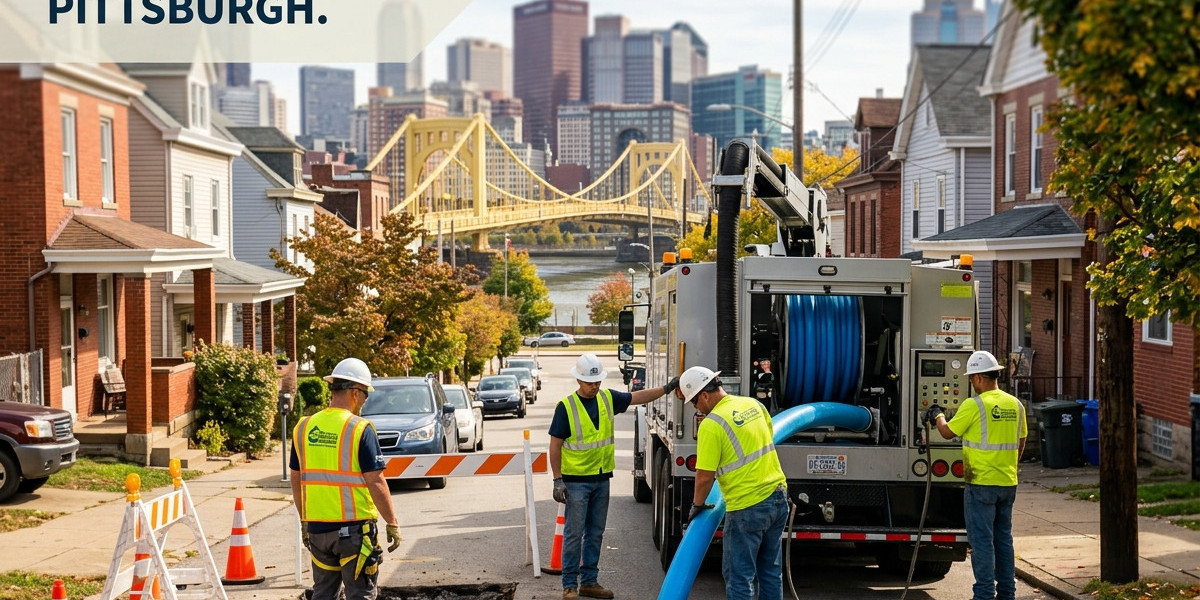
From the historic brick row houses in Lawrenceville to the sprawling residential properties in Mount Lebanon, Pittsburgh’s housing stock features incredible architectural character. However, this older infrastructure often hides aging, compromised plumbing underneath.
When your property experiences chronic low water pressure, recurring discolored water, or structural water main leaks, investing in a permanent water pipe replacement is essential. Upgrading your water line eliminates structural vulnerabilities, improves water purity, and ensures long-term operational peace of mind.
1. Top Materials for Modern Repiping
If your home still relies on original galvanized iron or outdated lead pipe structures, replacing those pathways with modern, code-compliant materials is highly critical for both flow capacity and health:
PEX (Cross-linked Polyethylene): The preferred industry standard for interior water pipe replacement. PEX is incredibly flexible, allowing installers to snake lines behind existing drywall with minimal destructive cutting. It naturally expands to resist freezing fractures during severe Western Pennsylvania winters and features a complete immunity to mineral scaling.
Copper Piping: The gold standard for structural longevity. Rigid copper lines offer extreme durability, possess natural antimicrobial properties, and are completely UV-resistant, making them ideal for exposed indoor utility connections and main entry lines.
2. Advanced Main Water Line Replacement Methods
When the failure occurs outside beneath your front yard connecting your home to the municipal water main—choosing the right installation technique impacts both your landscaping and your final invoice.
Traditional Trenching: This standard methodology involves utilizing heavy machinery to excavate a physical trench along your lawn down to the buried water line. While highly reliable and necessary for completely collapsed pipes, it requires extensive post-construction lawn, sidewalk, or driveway restoration.
Trenchless Pipe Pulling (Boring): A highly efficient, minimally invasive approach. Technicians dig just two compact access pits one near the street meter and one at the home’s foundation. A specialized mechanical machine then pulls a high-density polyethylene (HDPE) pipe directly through the old path, leaving your pristine landscaping completely untouched.
3. Crucial Local Context: The Pittsburgh Lead Service Line Program
Before you hire a private excavation contractor, check your local utility alignment. The Pittsburgh Water and Sewer Authority (PWSA) is actively executing a massive Community Lead Response campaign with a goal to remove residential lead service lines citywide.
If the main line connecting your property to the city main contains lead, the utility frequently provides free public- and private-side lead service line replacements during neighborhood infrastructure initiatives. Always consult the official PWSA lead map or request a free lead testing kit before initiating a private main line replacement, as your property may qualify for direct, income-eligible reimbursement or fully subsidized municipal replacement projects.
The Water Line Replacement Sequencing
Executing a complete main line or whole-house water pipe replacement requires following a precise operational order to ensure code compliance and safety:
Pro Tip for Pittsburgh Property Owners: If your property isn't currently covered under a municipal replacement project, look into local Service Line Protection Programs. PWSA partners with programs like Oncourse Home Solutions to offer low-cost monthly protection plans (around $5 to $10 per month) that provide up to $25,000 in coverage for future external water line breaks or wear-and-tear failures.






