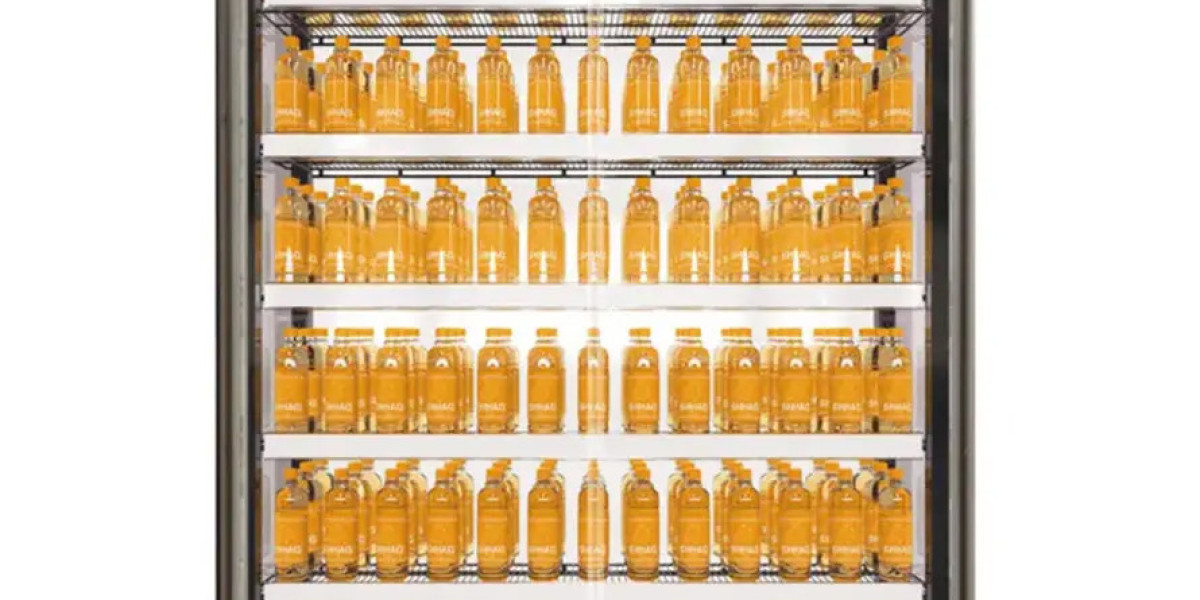
A commercial cooler does more than keep beverages and food cold. It also helps businesses sell products. In supermarkets, convenience stores, restaurants, and retail chains, product visibility often drives purchasing decisions.
That is why the cooler glass door plays a much bigger role than many businesses realize.
When a cooler glass door performs poorly, businesses may lose sales, waste energy, and spend more on maintenance. These issues often develop slowly, which makes them easy to ignore.
However, small problems can create large costs over time.
For B2B buyers, understanding these challenges helps improve procurement decisions and long-term profitability.
This article explores the most common cooler glass door problems and explains how businesses can address them before they affect the bottom line.
Why Cooler Glass Doors Matter in B2B Ecommerce
Commercial refrigeration equipment represents a major investment for retailers and foodservice businesses.
According to the U.S. Department of Energy, refrigeration systems account for a substantial portion of electricity consumption in grocery stores. Efficient glass doors help reduce energy losses while improving product merchandising.
A high-quality cooler glass door supports:
- Better product visibility
- Lower energy consumption
- Reduced maintenance costs
- Improved customer experience
- Longer equipment lifespan
Poor door performance can affect each of these areas.
1. Foggy Glass Reduces Product Visibility
Customers rarely open a cooler door unless they see something they want.
Fogged or condensed glass creates a barrier between products and shoppers. Instead of searching through unclear shelves, many customers simply move on.
In retail, every missed impulse purchase matters.
Common causes of glass fogging include:
- Damaged door heaters
- High humidity levels
- Worn door seals
- Inadequate insulation
- Frequent door openings
Business Impact
- Lower sales opportunities
- Reduced customer satisfaction
- Increased cleaning requirements
- Poor store presentation
Modern cooler glass door systems often use heated glass or anti-condensation coatings to maintain clear visibility.
The U.S. Department of Energy recommends energy-efficient display doors because they improve both merchandising and refrigeration performance.
2. Worn Gaskets Increase Operating Costs
Door gaskets may not look impressive, but they perform an essential job.
A gasket creates an airtight seal that prevents warm air from entering the cooler cabinet.
Over time, heavy usage causes gaskets to crack, flatten, or detach. Once this happens, cold air escapes continuously.
The refrigeration system compensates by running longer.
As a result, businesses often experience:
- Higher electricity bills
- Increased compressor wear
- Excessive condensation
- Reduced cooling efficiency
The U.S. Environmental Protection Agency highlights proper refrigeration maintenance as a key strategy for improving energy efficiency.
Replacing worn gaskets often provides quick and measurable savings.
3. Poor Insulation Leads to Energy Waste
An inefficient cooler glass door allows heat transfer between the store environment and the refrigerated space.
This heat gain forces compressors to operate more frequently.
Energy consumption rises, and equipment components experience additional stress.
For businesses operating multiple refrigeration units, these costs add up quickly.
Low-emissivity (Low-E) insulated glass technology helps reduce heat transfer while maintaining excellent product visibility.
According to the U.S. Department of Energy, advanced glass technologies can significantly improve refrigeration efficiency in commercial applications.
For B2B buyers, energy-efficient doors often reduce total ownership costs over time.
4. Frequent Glass Breakage Creates Unexpected Expenses
Commercial environments remain busy throughout the day.
Employees move stock, replenish shelves, and transport inventory constantly. In these fast-paced settings, accidental impacts occur.
A broken cooler glass door can create immediate problems:
- Safety hazards
- Product spoilage
- Equipment downtime
- Emergency repair costs
Nobody enjoys explaining why a cart collided with the cooler "all by itself."
Businesses should prioritize tempered safety glass designed specifically for commercial applications.
Durable glass solutions typically reduce replacement frequency and improve operational reliability.
5. Faulty Self-Closing Doors Waste Cold Air
Self-closing mechanisms help maintain internal temperatures.
When these systems fail, cooler doors may remain partially open after customer use.
Even a small opening allows significant cold air loss.
Common causes include:
- Worn hinges
- Damaged springs
- Improper installation
- Lack of maintenance
The consequences often include:
- Increased energy consumption
- Inconsistent product temperatures
- Excessive compressor cycling
- Higher maintenance costs
Reliable self-closing systems help businesses avoid these issues while improving refrigeration performance.
6. Difficult Maintenance Increases Labor Costs
Retail and foodservice businesses continue to face labor challenges.
When staff spend excessive time cleaning condensation, adjusting doors, or replacing hardware, productivity declines.
Maintenance-friendly cooler glass doors reduce operational burdens.
Features worth considering include:
- Fingerprint-resistant coatings
- Corrosion-resistant frames
- Durable hinges
- Easy gasket replacement systems
- Scratch-resistant glass
B2B procurement teams increasingly evaluate total cost of ownership rather than focusing solely on initial purchase price.
The least expensive option often becomes the most expensive over time.
How B2B Buyers Can Avoid Cooler Glass Door Problems
Selecting the right supplier is just as important as selecting the right product.
Review Product Specifications Carefully
Request information about:
- Glass insulation performance
- Safety certifications
- Energy-efficiency features
- Door frame materials
Evaluate Supplier Reliability
Trusted manufacturers should provide:
- Consistent quality control
- Technical assistance
- Product customization options
- Warranty support
Focus on Long-Term Value
Consider factors such as:
- Energy savings
- Maintenance requirements
- Replacement frequency
- Equipment durability
Long-term performance should always guide procurement decisions.
Final Thoughts
A cooler glass door influences much more than appearance. It affects energy costs, customer experience, maintenance requirements, and overall business profitability.
Businesses that address common issues such as fogging, gasket failure, poor insulation, and door misalignment can improve operational efficiency while reducing costs.
In B2B ecommerce, smart refrigeration investments help businesses keep products cold and profits healthy.