
Few instruments earn the deep respect that surgeons reserve for the tools they reach for again and again. The doyen clamp is one of those tools! Its smooth, atraumatic grip and reliable performance have made it a staple across countless procedures. If you've ever watched a skilled surgeon work, you know how much the right instrument matters. Let's explore why this particular clamp holds such an important place in modern surgery and what makes it so valuable to the professionals who depend on it every single day.
What Is the Doyen Clamp and Why Does It Matter?
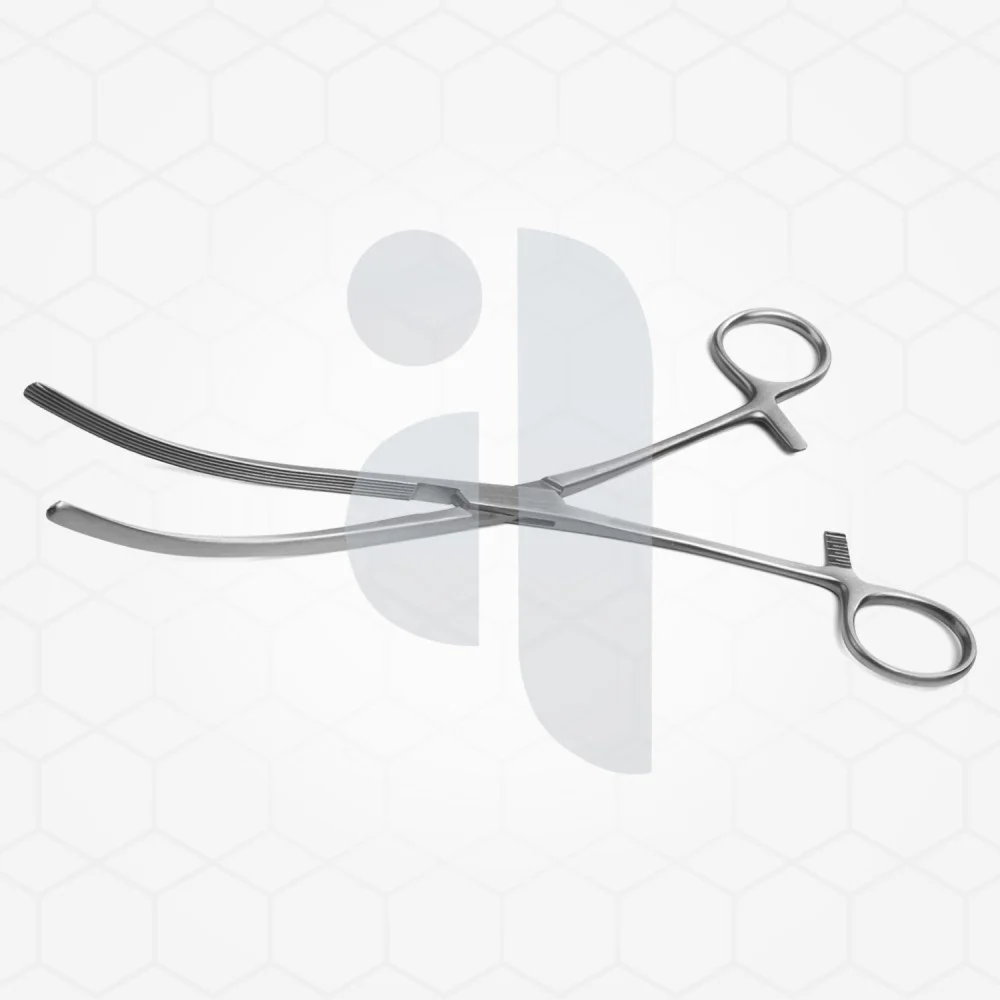
At its heart, this instrument is designed to occlude or clamp soft tissue and intestinal segments without causing unnecessary trauma. The doyen clamp features gently curved, atraumatic jaws that hold tissue securely while protecting delicate structures from crushing damage. Surgeons rely on it during bowel surgery, gynecological procedures, and abdominal operations where careful tissue handling makes all the difference. The thoughtful design allows for a firm yet forgiving grip, which means less worry about post-operative complications and more confidence during the procedure. That balance between control and gentleness is exactly what sets this tool apart from cruder alternatives.
Design Features That Surgeons Truly Appreciate
The beauty of a well-made clamp lies in the small details that you might not notice at first glance! Crafted from high-grade stainless steel, the instrument resists corrosion and stands up to repeated sterilization cycles without losing its edge. Its longitudinal serrations distribute pressure evenly, reducing the risk of tissue slippage during critical moments. Much like the precise grip you'd expect from quality bonney forceps, the doyen clamp delivers dependable handling that surgeons can trust under pressure. The finger rings and ratchet mechanism offer a secure lock, freeing the surgeon's hands when needed. Have you ever struggled with an instrument that felt awkward in your grip? A properly balanced clamp makes that frustration a thing of the past.
Clinical Applications Across Specialties
This versatile instrument shows up in operating rooms across a remarkable range of disciplines. In gastrointestinal surgery, it gently occludes the bowel to prevent spillage during resection and anastomosis. Gynecological surgeons reach for it during hysterectomies and other pelvic procedures, where protecting surrounding tissue is essential. The doyen clamp also plays a role in abdominal surgeries that demand careful retraction and controlled clamping. Because it handles tissue so kindly, it has become a go-to choice when minimizing trauma is the top priority. Every specialty values that combination of strength and sensitivity, which is precisely why this instrument has earned its lasting reputation.
The Importance of Quality and Craftsmanship
Here's a truth every seasoned surgeon understands: a poorly made instrument can compromise even the most skilled hands. That's why material quality, precise machining, and rigorous testing matter so much. A reliable clamp must close evenly, lock securely, and release smoothly time after time. Azeemed Instruments is dedicated to providing high-quality surgical tools that meet the needs of professionals. When you invest in well-crafted instruments, you're investing in patient safety, surgical efficiency, and your own peace of mind. The difference between a good tool and a great one often reveals itself in those tense, high-stakes moments when everything has to work flawlessly.
Caring for Your Instruments
Proper maintenance keeps any surgical tool performing at its best for years to come! After each procedure, clean the instrument thoroughly to remove tissue and debris, paying special attention to the hinge and serrations where residue likes to hide. Inspect the jaws for alignment and the ratchet for smooth operation before sterilization. Store your clamps in a dry, protected environment to prevent corrosion and damage. A little routine care goes a long way toward extending the life of a quality doyen clamp, ensuring it remains ready and reliable whenever you need it most.
Final Thoughts
The right instrument does more than complete a task; it gives surgeons the confidence to perform at their absolute best. With its atraumatic design, dependable grip, and broad clinical usefulness, this clamp has rightfully earned its place in operating rooms everywhere. When you choose well-crafted tools and care for them properly, you set the stage for smoother procedures and better outcomes. And that, after all, is what great surgery is all about!






