
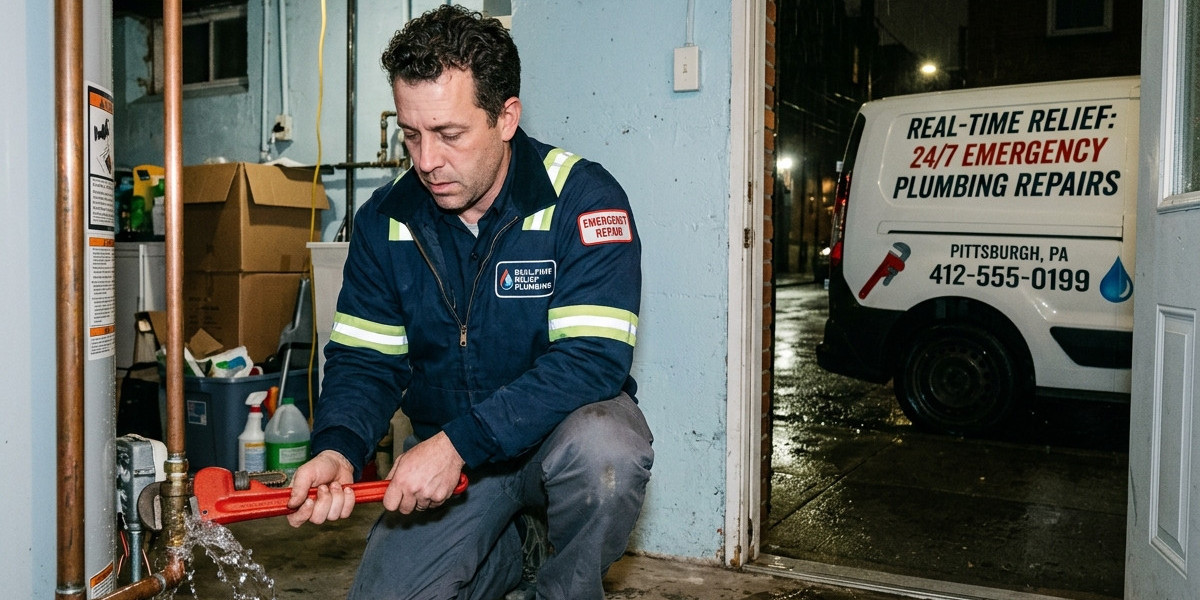
A plumbing emergency doesn’t wait for business hours. Whether it’s a burst pipe flooding your Allegheny County basement at 2:00 AM or a severe sewer line backup right before Sunday dinner, you need professional intervention fast. When water damage is actively threatening your property, searching for reliable emergency plumbing repairs in Pittsburgh, PA requires immediate, trusted solutions.
Before the structural damage escalates, taking the right containment steps and knowing exactly who to call can save you thousands of dollars in restoration costs.
3 Critical Steps to Take Before the Emergency Plumber Arrives
While a licensed local technician is en route, your main priority is damage control. Follow these immediate steps to stabilize your home:
1. Shut Off the Main Water Valve
Do not waste time trying to clean up water while the leak is actively running. Locate your home’s main water shut-off valve typically found in the basement near the street-side wall or close to the water meter and turn it clockwise until it stops completely.
2. Turn Off the Power (If Necessary)
⚠️ Electrical Hazard Warning: If standing water has reached electrical outlets, baseboard heaters, or your circuit breaker panel, do not walk through the water. Go straight to your main electrical box if it is in a dry location and shut off power to the affected zones.
3. Clear the Path and Document Everything
Move furniture, rugs, electronics, and valuable items out of the water’s path. Additionally, take quick photos or videos of the active leak and the damage. This documentation is vital evidence for your homeowners' insurance claim later.
Common Residential Plumbing Emergencies in Western PA
Pittsburgh’s unique geography and older housing stock mean local plumbing systems face specific vulnerabilities. The most frequent crises requiring immediate professional repair include:
Burst Pipes in Freezing Weather: Western Pennsylvania winters are notorious for dropping below freezing temperatures, causing uninsulated copper or PEX lines to freeze, expand, and rupture.
Main Sewer Line Backups: Tree root intrusion, heavy rainfall, and aging clay pipes frequently cause city sewer lines to back up, pushing hazardous wastewater into basement drains.
Water Heater Failures: A rusted or broken water heater tank can rapidly dump 40 to 80 gallons of scalding water onto your utility room floor.
Gas Line Leaks: If you smell a distinct "rotten egg" odor near your gas-powered water heater or furnace, evacuate the property immediately and call emergency services along with a certified plumber.
Why DIY Fixes Fail During a Plumbing Crisis
When dealing with high-pressure leaks or major drainage failures, over-the-counter quick fixes often do more harm than good.
Chemical Drain Cleaners: Pouring harsh chemicals into a completely blocked main line creates a toxic pool of standing water. It rarely clears severe structural blocks and can corrode older cast-iron pipes, making the eventual repair more expensive.
Temporary Wraps and Tape: Commercial plumbing tape or patch kits are only meant to buy you a few hours. They cannot withstand structural shifts or the high water pressure common in Pittsburgh municipal water lines.
Get Connected with 24/7 Emergency Plumbers in Pittsburgh
When structural integrity is on the line, you cannot afford to leave a voicemail and wait for a callback. The greater Pittsburgh region is backed by rapid-response professionals equipped with hydro-jetting machinery, advanced leak detection tools, and replacement components to fix the issue on the first visit.
From the North Shore to the South Hills, trusted local plumbers are available around the clock to restore your home's safety, clear dangerous backups, and stop active water damage in its tracks.