
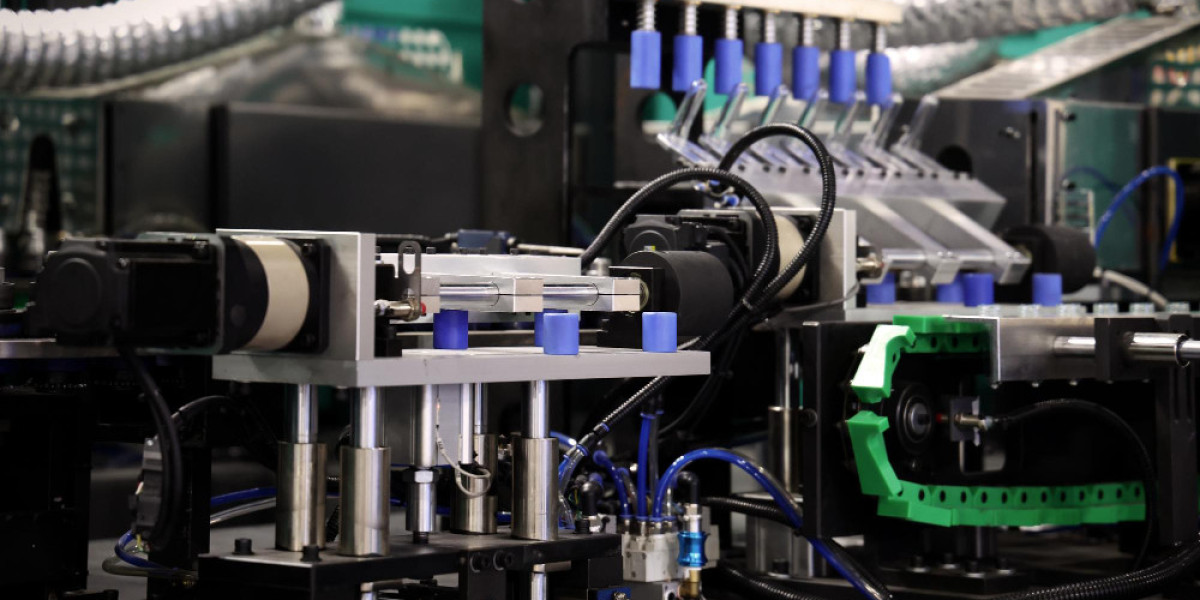
Meeting strict healthcare manufacturing rules requires clean production spaces and precise machine control for every single part. That is why, globally, many companies these days use customized large injection molding processes. These machines allow them to safely produce hospital equipment housings and surgical components with precision. On top of that, meeting these production requirements during large-scale manufacturing, protects patient health and avoids expensive regulatory delays.
What is ISO Cleanroom Classification?
Cleanrooms use heavy air filtration systems to block dust and airborne particles from contaminating medical parts. Large molding machines require special enclosures to keep hydraulic oil and grease away from the clean zone. Building these clean walls around large presses stops dirt from ruining your medical components during production.
Why Do Resin Traceability Rules Matter?
Medical regulators demand detailed paperwork tracking every batch of raw plastic from the refinery to the hospital. Mixed material batches can weaken parts or leach harmful chemicals, which puts patient safety at risk. Keeping strict material logs prevents manufacturing mix-ups and keeps your medical production fully compliant.
How Do Bio-Compatible Resins Behave?
Medical plastics must pass strict laboratory tests to prove they do not cause toxic bodily reactions. These specialized medical resins often require precise melt temperatures and behave differently than standard commercial plastics. Running these sensitive materials through giant molding presses demands tight control over heat and pressure settings.
What Causes Part Contamination Risks?
Contamination happens when tiny particles of dust, grease, or stray plastic stick to the hot parts. Giant molds have more surface area, which naturally increases the chances of airborne debris ruining the plastic. Installing automated robot arms to pull parts out of the mold keeps human germs away.
How to Control Machine Hydraulic Fluids?
Traditional large molding presses rely on massive hydraulic oil systems that can leak or create mist. Medical part molding requires electric presses or advanced oil seals to eliminate these oil contamination threats. Keeping your factory air clean protects the molded parts and passes tough health inspections easily.
Why Are Strict Part Tolerances Necessary?
Oversized medical housings must snap together perfectly with delicate internal electronics and digital display screens. Even a tiny sizing error can leave gaps that let dangerous bacteria grow inside the equipment. Using steady machine holding pressure keeps every large part within acceptable medical measurement limits.
How Does Mold Venting Protect Quality?
Trapped air inside a large mold cavity can superheat and cause dark burn marks on plastic. These burn marks degrade the material structure and make the finished component completely useless for healthcare. Cleaning your mold vents regularly lets trapped gasses escape without damaging the pristine plastic surface.
Why Is Validation Testing Required?
Validation testing proves your machine can make perfect parts consistently across hundreds of consecutive production runs. Operators must document every setting change to prove the process remains stable and completely repeatable over time. Running these tests avoids unexpected product recalls and satisfies strict international healthcare manufacturing laws.
How Do Surface Finish Standards Differ?
Medical parts require smooth surfaces to prevent bacteria from clinging to tiny microscopic plastic cracks. Rough tool textures make cleaning and sterilizing hospital equipment very difficult for medical staff members. Polishing the steel mold cavity to a mirror finish delivers ultra-smooth plastic components every time.
How to Handle Sterilization Heat Exposure?
Many large medical components need to withstand intense heat during hospital autoclave steam sterilization cycles. So choosing high-heat resins prevents the large plastic frames from warping or cracking during these cleaning processes. Testing material heat resistance early prevents product failure after the equipment reaches the hospital floor.
Why Is Uniform Wall Thickness Essential?
Uneven wall thickness causes different sections of a large part to cool at separate speeds. This uneven cooling creates internal physical stress that makes the plastic warp or crack under pressure. Designing straight, even walls makes sure the material shrinks uniformly as it cools down completely.
How Do Multi-Gate Systems Affect Strength?
Oversized molds often need multiple entry holes to fill the entire cavity with hot plastic quickly. Where these material flows meet, they create thin lines called weld lines that can be physically weak. Positioning these gates carefully keeps weak areas away from sections that face heavy everyday handling.
How to Manage Part Ejection Damage?
Pushing a massive, warm plastic part out of a mold can cause permanent bending marks. Medical housings require extra ejection pins to spread the pushing force evenly across the entire surface. Balancing this ejection pressure stops the parts from distorting as they leave the steel tool.
Key Takeaway
When the mold design and machine settings work together perfectly, you get flawless parts without wasting extra funds. Remember that thorough preparation remains essential for a successful customized large injection molding process. Using the exact right amount of pressure for a part's size prevents costly plastic leaks and saves these machines from breaking down.






