
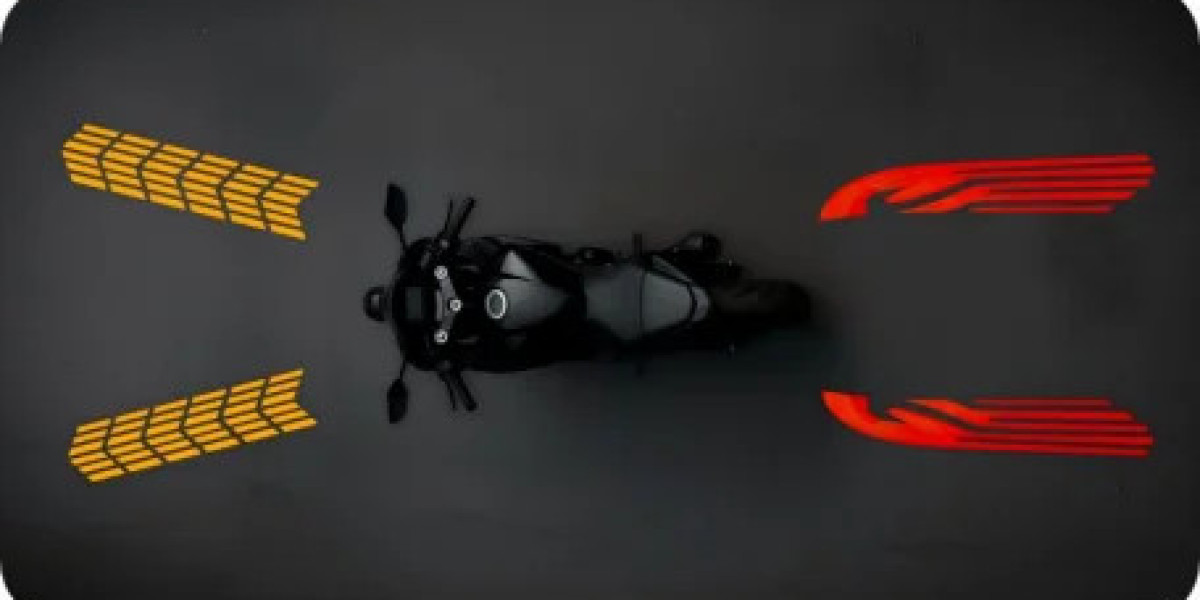
Motorcycle lighting has evolved rapidly over the past decade. Riders no longer look for headlights that simply produce more lumens. They want lighting systems that deliver a precise beam, improve night visibility, reduce glare, and perform reliably in different weather conditions.
This demand has encouraged manufacturers to develop advanced optical technologies such as Motorcycle MLA Projection Lighting. MLA, or Micro Lens Array technology, uses multiple microscopic lenses to control and distribute light more accurately than many traditional reflector designs. When engineered correctly, it can improve beam uniformity and make better use of available light.
However, like any advanced optical system, MLA projection lighting also presents engineering challenges. This article explores the most common problems, why they occur, and how manufacturers solve them using proven optical design principles rather than marketing claims.
Why Optical Design Matters More Than Brightness
Many riders believe brighter headlights automatically improve safety.
That isn't always true.
A poorly controlled beam can create glare, waste light, and reduce visibility even if the light source produces high output.
A well-designed Motorcycle MLA Projection Lighting system focuses on:
- Beam precision
- Uniform illumination
- Controlled light distribution
- Reduced glare
- Improved rider visibility
Good optics often provide better results than simply increasing brightness.
Problem 1: Uneven Beam Distribution
One of the biggest challenges in motorcycle lighting is producing an even beam across the road.
Poor optical control may create:
- Bright hotspots
- Dark areas
- Uneven road coverage
- Reduced corner visibility
Micro Lens Array technology helps divide and redirect light through multiple precision lenses, producing a smoother and more balanced beam pattern.
Proper optical simulation during product development plays an important role in achieving this result.
Problem 2: Excessive Glare for Other Drivers
Glare remains one of the biggest safety concerns in vehicle lighting.
A powerful headlight becomes a problem if it shines directly into the eyes of approaching drivers.
Manufacturers reduce glare by combining:
- MLA optics
- Projection lenses
- Sharp beam cut-offs
- Precision optical alignment
These features concentrate light where riders need it while limiting unnecessary upward light.
According to automotive lighting standards developed by SAE and UNECE, proper beam control is just as important as brightness.
Problem 3: Heat Buildup
Modern LED lighting systems generate less heat than halogen bulbs, but high-performance LEDs still require effective cooling.
Excessive heat may reduce:
- Light output
- Colour consistency
- Electronic reliability
- LED lifespan
Manufacturers improve thermal performance by using:
- Aluminium heat sinks
- Thermal interface materials
- Cooling fins
- Intelligent driver circuits
Think of heat like a crowded motorway. Without enough exits, traffic quickly comes to a standstill.
Problem 4: Reduced Performance During Heavy Rain
Rain creates additional optical challenges.
Water droplets scatter light before it reaches the road.
Even advanced Motorcycle MLA Projection Lighting systems cannot eliminate weather effects entirely, but good optical engineering helps reduce their impact.
Manufacturers improve rainy-weather performance through:
- Uniform beam distribution
- Controlled light direction
- Reduced stray light
- Stable optical alignment
Beam quality often influences visibility more than maximum brightness during adverse weather.
Problem 5: Optical Misalignment
A projection lighting system depends on precise alignment between:
- LED light source
- MLA lens array
- Projection lens
- Reflective components
Small alignment errors may produce:
- Distorted beam patterns
- Reduced brightness
- Uneven illumination
- Increased glare
Manufacturers use automated assembly equipment and optical calibration systems to maintain consistent quality throughout production.
Problem 6: Electrical Compatibility Issues
Many aftermarket lighting upgrades promise better performance.
However, compatibility remains important.
Before installing a new MLA lighting system, verify:
- Operating voltage
- Driver electronics
- Mounting dimensions
- Heat dissipation space
- Electrical connectors
Ignoring compatibility may reduce performance or create electrical faults.
Following manufacturer recommendations usually provides the most reliable results.
Problem 7: Dirt and Lens Contamination
Even the most advanced optical system loses performance when the lens becomes dirty.
Dust, insects, road debris, and oil reduce light transmission and scatter the beam.
Regular cleaning helps maintain:
- Beam clarity
- Optical efficiency
- Road visibility
- Light output
Manufacturers typically recommend using soft microfiber cloths and approved cleaning solutions to avoid scratching precision optical surfaces.
Fortunately, cleaning the lens takes far less time than explaining to your riding group why your headlight now resembles a camping lantern.
Technologies That Improve MLA Projection Lighting
Modern Motorcycle MLA Projection Lighting systems combine several engineering solutions to improve reliability and visibility.
| Technology | Main Benefit |
|---|---|
| Micro Lens Array optics | Uniform light distribution |
| Projection lens | Sharp beam control |
| High-efficiency LEDs | Stable brightness |
| Aluminium heat sink | Better thermal management |
| Precision optical alignment | Improved beam accuracy |
| Intelligent LED drivers | Consistent performance |
| Waterproof housing | Better durability in harsh weather |
What Buyers Should Evaluate
When selecting a Motorcycle MLA Projection Lighting system, avoid comparing brightness alone.
Instead, consider:
- Beam pattern quality
- Glare control
- Thermal management
- Waterproof rating
- Optical precision
- Electrical compatibility
- Manufacturer support
A balanced optical system usually performs better than one designed around maximum lumen output alone.
Reliable manufacturers publish technical specifications and testing information rather than relying only on promotional claims.
Final Thoughts
Motorcycle MLA Projection Lighting represents an important step forward in motorcycle lighting technology. By combining Micro Lens Array optics with advanced projection systems, manufacturers can produce more uniform beam patterns, reduce glare, and improve overall riding visibility.
Like any advanced optical technology, performance depends on precise engineering, effective thermal management, accurate optical alignment, and proper installation. Understanding these challenges helps riders choose lighting systems that provide reliable performance instead of focusing only on brightness figures.
At the end of the day, a well-controlled beam does more than light the road—it gives riders the confidence to see hazards early while helping everyone else share the road safely.







