
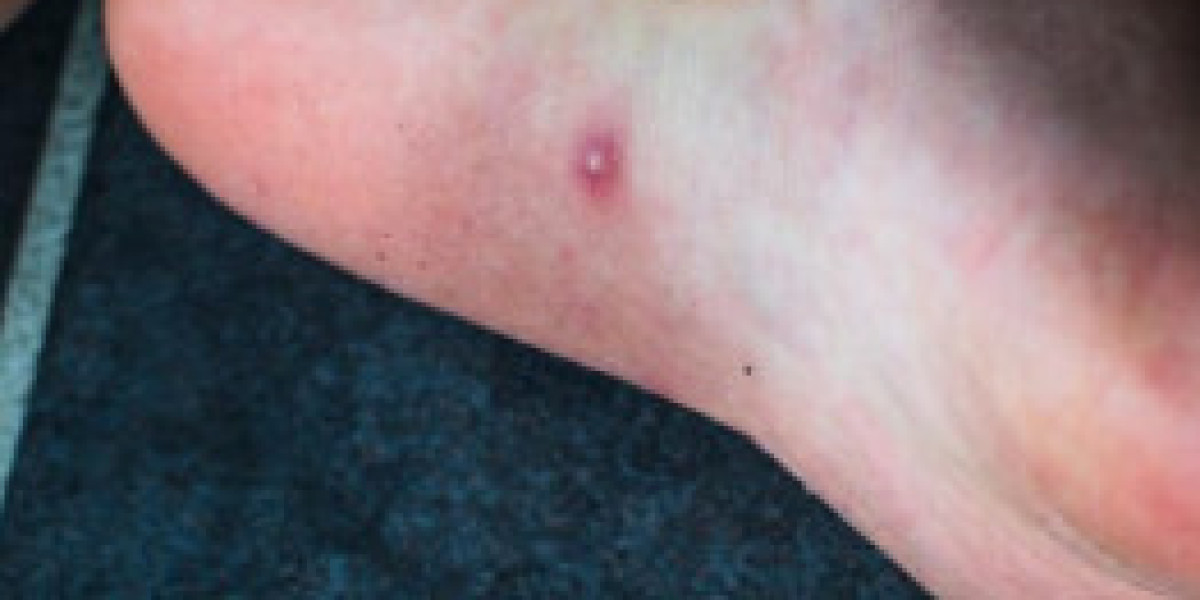
Many people experience painful spots on their feet but struggle to identify the exact cause. Two of the most common conditions responsible for this discomfort are warts and corns. At first glance, they may look nearly identical because both create thickened skin and can make walking uncomfortable. However, they develop for entirely different reasons, making proper identification essential for effective treatment.
Learning the difference between wart vs corn can save you time, reduce unnecessary discomfort, and help you avoid treatments that are unlikely to work. A wart develops because of a viral infection, while a corn forms after repeated friction or pressure on the skin. Since their causes are different, their symptoms, progression, and treatment options also differ.
This guide explains everything you need to know about their causes, symptoms, available treatments, and preventive measures to help you maintain healthy feet.
What Is a Plantar Wart?
A plantar wart is a skin growth caused by infection with the human papillomavirus (HPV). The virus enters the body through tiny cuts, cracks, or weakened areas of skin. Because plantar warts usually appear on the sole of the foot, body weight forces them to grow inward rather than outward.
Although plantar warts are generally harmless, they can become painful when located on weight-bearing areas.
Common characteristics include:
- Rough surface
- Grainy appearance
- Tiny black dots
- Thickened skin
- Interrupted skin lines
- Pain during walking
Some people develop only one wart, while others experience multiple lesions grouped together.
What Is a Corn?
A corn is a hardened area of skin that develops as the body's natural response to repeated friction or continuous pressure. Instead of being caused by an infection, a corn serves as a protective layer that shields deeper tissues from ongoing irritation.
Corns most commonly appear on areas that frequently rub against footwear.
Typical features include:
- Hard center
- Smooth outer surface
- Thick yellowish skin
- Tenderness under direct pressure
- Clearly defined edges
- Preserved skin lines
Unlike warts, corns are not contagious.
Causes of Plantar Warts
Understanding what causes plantar warts can help reduce the risk of infection.
Common causes include:
Viral Exposure
The human papillomavirus spreads through direct contact with contaminated surfaces or infected skin.
Public Wet Areas
Locker rooms, swimming pools, and communal showers provide favorable conditions for HPV transmission.
Small Skin Injuries
Tiny cuts and cracked skin create entry points for the virus.
Excessive Moisture
Sweaty feet increase skin softness, making infection easier.
Reduced Immune Defense
Some individuals are naturally more susceptible to viral infections.
Causes of Corns
Unlike warts, corns develop because of repeated mechanical stress.
Frequent causes include:
Tight Footwear
Shoes that squeeze the toes create excessive pressure.
Loose Shoes
Constant rubbing inside oversized shoes increases friction.
High Heels
These shift body weight toward the front of the foot.
Standing for Long Hours
Continuous pressure on the same areas promotes skin thickening.
Foot Structure
Certain foot shapes or deformities increase pressure on specific locations.
Symptoms That Differentiate wart vs corn
Although both conditions produce thickened skin, their symptoms differ in several important ways.
Wart Symptoms
- Rough texture
- Tiny black dots
- Pain when squeezed from the sides
- Flat appearance due to body weight
- Skin lines disappear
- May spread into clusters
Corn Symptoms
- Smooth hardened surface
- Central hard core
- Pain from direct pressure
- Skin lines remain visible
- Usually isolated
- Develops over pressure points
Recognizing these symptoms can make diagnosis much easier.
Which Condition Causes More Pain?
The severity of pain depends on the size and location of the lesion.
A plantar wart often causes discomfort because infected tissue grows beneath the surface. The pressure of walking forces the wart deeper into the skin.
A corn becomes painful because its hard center presses into underlying tissues whenever body weight is applied.
Although both conditions can interfere with daily activities, the nature of the pain is usually different.
Risk Factors You Should Know
Several lifestyle factors increase the risk of developing either condition.
Risk factors for plantar warts include:
- Walking barefoot in public places
- Damp feet
- Minor skin injuries
- Frequent exposure to communal showers
Risk factors for corns include:
- Poorly fitted shoes
- High-impact physical activity
- Standing for extended periods
- Toe deformities
- Repetitive friction
Reducing these risks can help prevent future foot problems.
Best Treatment Options for Plantar Warts
Because plantar warts are caused by a viral infection, treatment focuses on eliminating infected tissue while allowing healthy skin to replace it.
Common treatment methods include:
- Salicylic acid products
- Cryotherapy (freezing treatment)
- Immune-stimulating therapies
- Minor surgical removal in persistent cases
Treatment often requires patience because plantar warts may take several weeks or months to disappear completely.
Best Treatment Options for Corns
The primary goal of corn treatment is to remove pressure from the affected area.
Effective approaches include:
- Wearing properly fitted shoes
- Using protective cushions or toe pads
- Moisturizing thickened skin
- Reducing repeated friction
- Using supportive insoles if needed
Most corns improve once the underlying source of pressure has been corrected.
Home Care Tips
Simple home care measures can help improve comfort and support healing.
Consider the following habits:
- Wash your feet every day.
- Dry carefully between the toes.
- Wear clean socks.
- Replace worn footwear.
- Moisturize dry skin.
- Avoid picking or cutting thickened skin.
- Inspect your feet regularly for changes.
These habits can reduce irritation and lower the chance of recurrence.
Prevention Tips
Preventing both conditions starts with proper foot care.
Helpful strategies include:
- Wear shoes that fit comfortably.
- Use protective footwear in public showers.
- Keep your feet clean and dry.
- Avoid sharing shoes or towels.
- Change socks daily.
- Protect cuts and blisters.
- Reduce repeated pressure on the same areas.
Consistent prevention is often more effective than repeated treatment.
When Should You Seek Medical Attention?
Professional evaluation is recommended if:
- Pain continues despite home treatment.
- The lesion changes in appearance.
- Walking becomes difficult.
- Multiple growths develop.
- Bleeding or drainage occurs.
- You cannot determine whether it is a wart or a corn.
Obtaining the correct diagnosis helps ensure the most appropriate treatment.
Conclusion
Understanding wart vs corn allows you to identify the cause of foot discomfort more accurately and choose the right treatment. While plantar warts result from a viral infection, corns develop because of repeated pressure and friction. Their appearance, pain patterns, and treatment methods differ significantly, making proper diagnosis essential. Maintaining good foot hygiene, wearing supportive footwear, and addressing symptoms early can help prevent complications and keep your feet comfortable and healthy.
FAQs
1. Can corns develop on fingers or hands?
Although uncommon, corns can form on the hands when repeated friction occurs during manual work or sports.
2. Why do plantar warts sometimes appear in groups?
The virus can spread to nearby skin, resulting in multiple connected lesions known as mosaic warts.
3. Can changing shoes help prevent corns?
Yes. Properly fitted shoes reduce pressure and friction, which are the primary causes of corn formation.
4. Is every painful bump on the sole of the foot a plantar wart?
No. Other conditions, including corns, calluses, and certain skin disorders, may produce similar symptoms.






