Fungal diseases remain one of the most significant threats to agricultural productivity, affecting crops such as paddy, vegetables, fruits, pulses, and plantation crops. Diseases like downy mildew, late blight, rice blast, sheath blight, and leaf spot can spread rapidly under favorable weather conditions, reducing crop yield and quality. To manage these challenges effectively, farmers increasingly rely on advanced crop protection products that combine both preventive and curative action.
A contact and systemic fungicide offers a balanced approach to disease management by protecting the plant surface while also moving within plant tissues to control infections from the inside. This dual mode of action provides broader and longer-lasting protection compared to conventional fungicides that act only on the surface.
As one of India’s leading agrochemical companies, JU Agri Sciences Pvt. Ltd. supports farmers with innovative crop protection solutions, including fungicides, insecticides, herbicides, biological products, and plant nutrition solutions. With more than two decades of experience and a portfolio of over 130 agricultural products, the company continues to help Indian farmers improve crop health and productivity through science-based farming practices.
Understanding Contact and Systemic Fungicides
Fungicides are generally classified based on their mode of action. A contact fungicide remains on the plant surface and forms a protective barrier that prevents fungal spores from germinating. These fungicides are highly effective as preventive treatments and are particularly useful before disease infection occurs.
A systemic fungicide, on the other hand, is absorbed by the plant and transported through its vascular system. This allows the fungicide to reach internal plant tissues and control fungal infections that may already be developing inside the crop.
A systemic and contact fungicide combines the advantages of both modes of action. It protects the plant externally while also providing internal disease control, making it an effective solution for managing a wide range of fungal diseases under diverse field conditions.
Advantages of Dual-Action Fungicides
The combination of contact and systemic activity offers several important benefits for farmers. Surface protection prevents new fungal infections by stopping spore germination, while systemic movement helps suppress existing infections within the plant.
This dual action results in broader disease control and longer-lasting protection. Farmers can achieve better crop health, reduced disease pressure, and improved yield potential when fungicides are applied at the right stage and according to recommended practices.
Dual-action fungicides are particularly valuable in crops that face repeated disease pressure during humid or rainy conditions, where both preventive and curative control are required.
BULLET: A Scientific Contact and Systemic Fungicide
JU Agri Sciences offers BULLET, a scientifically formulated fungicide containing Cymoxanil 8% + Mancozeb 64% WP. This advanced formulation provides both contact and systemic fungicide activity, making it effective for controlling important fungal diseases such as downy mildew and late blight.
The mancozeb component acts as a contact fungicide, forming a protective barrier on plant surfaces and preventing fungal spores from germinating. The cymoxanil component provides local systemic action, helping control fungal infections that may have already entered the plant tissues.
This scientific combination allows BULLET to deliver broad-spectrum disease control while supporting resistance management through its dual mode of action. The product remains effective even if rainfall occurs approximately three hours after application, reducing the need for repeated spraying and improving field efficiency.
Farmers benefit from healthier crops, longer disease protection, increased productivity, and improved profitability when BULLET is integrated into a well-planned disease management program.
Role of Systemic and Contact Fungicides in Integrated Disease Management
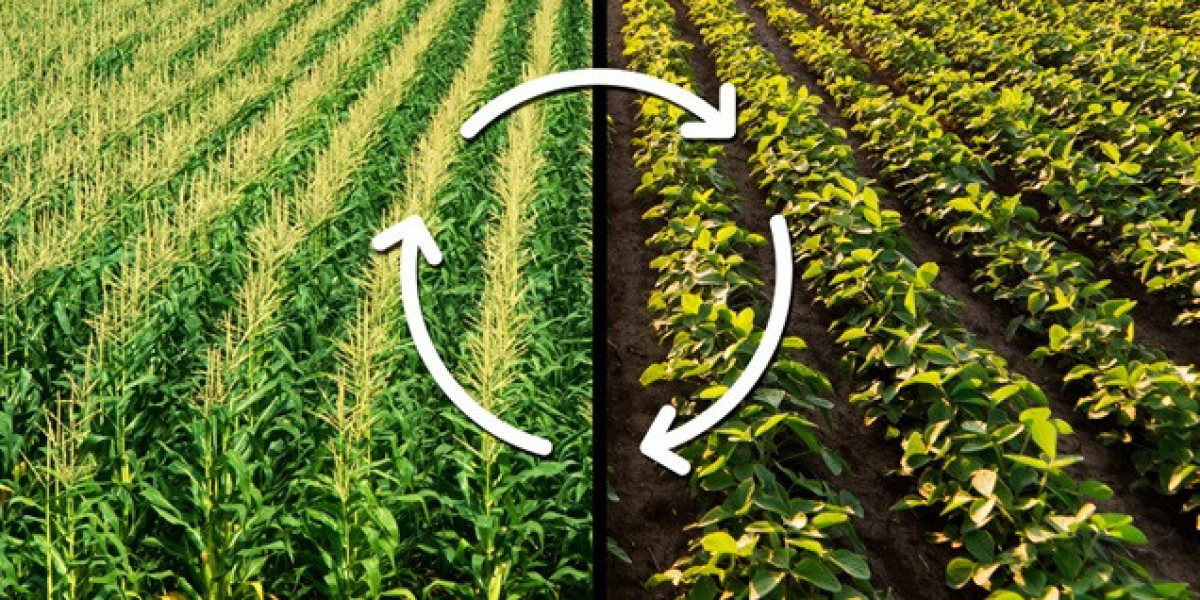
Effective disease management requires more than a single fungicide application. Integrated disease management combines timely fungicide use with crop rotation, field sanitation, balanced nutrition, resistant crop varieties, and regular crop monitoring.
A systemic and contact fungicide plays an important role in this strategy because it provides both preventive and curative protection. By reducing disease pressure early, farmers can minimize crop damage and maintain better plant vigor throughout the growing season.
Responsible fungicide rotation is also essential to prevent resistance development. Alternating fungicides with different modes of action helps preserve their long-term effectiveness and supports sustainable crop protection practices.
Lambda Insecticide for Complementary Pest Management
In addition to fungal diseases, insect pests can also cause serious crop losses. Effective crop protection often requires the integration of fungicides and insecticides within a comprehensive pest management program.
Lambda insecticide formulations are widely used for controlling a range of insect pests in agricultural crops. These insecticides help protect crops from damaging insects that can weaken plant health and reduce productivity.
When used as part of an Integrated Pest Management approach, lambda insecticides complement fungicide applications by addressing insect pressure while fungicides manage disease pressure. This combined strategy supports healthier crop growth and better overall farm productivity.
JU Agri Sciences Supporting Modern Crop Protection
JU Agri Sciences has established itself as a trusted agrochemical supplier and agrochemical manufacturer by offering a comprehensive range of crop protection products. The company’s portfolio includes fungicides, insecticides, herbicides, biological fertilizers, biological pesticides, bio-stimulants, and plant nutrition products suitable for major crops such as paddy, cotton, wheat, soybean, vegetables, fruits, and pulses.
With a nationwide network of over 5,500 trade partners, 25,000 retailers, and more than 1,000 trained agricultural professionals, JU Agri Sciences provides farmers with both quality products and technical guidance. This combination of innovation, field expertise, and farmer support has helped position the company among the best agrochemical companies in India.
Sustainable Crop Protection for Future Agriculture
Sustainable agriculture depends on crop protection strategies that are effective, economically viable, and environmentally responsible. Dual-action fungicides and selective insecticides contribute to this goal by improving application efficiency and reducing unnecessary pesticide use.
Healthy crops are better able to withstand disease and pest pressure, leading to improved yields and better-quality produce. By integrating fungicides, insecticides, biological products, and balanced nutrition, farmers can build resilient farming systems that support long-term productivity.
JU Agri Sciences continues to invest in research and innovation to develop crop protection solutions that meet the evolving needs of Indian agriculture while promoting sustainable farming practices.
Conclusion
Fungal diseases and insect pests can significantly impact agricultural productivity if not managed effectively. A contact and systemic fungicide provides an advanced solution by combining preventive surface protection with internal disease control. Products such as BULLET, containing Cymoxanil 8% + Mancozeb 64% WP, offer broad-spectrum protection against important fungal diseases while supporting healthier crop growth.
When integrated with lambda insecticide applications and other Integrated Pest Management practices, these crop protection solutions help farmers maintain healthier crops, reduce yield losses, and improve farm profitability.
Backed by more than two decades of agricultural expertise and a portfolio of over 130 innovative products, JU Agri Sciences Pvt. Ltd. continues to support Indian farmers with advanced fungicides, insecticides, herbicides, biological products, and sustainable crop protection technologies.
For more information about BULLET and other crop protection solutions, contact:
JU Agri Sciences Pvt. Ltd. Corporate Office: Unit No. 2302, Tower 2, Express Trade Tower II, B-36, Sector 132, Noida, Gautam Buddha Nagar, Uttar Pradesh – 201301, India Phone: +91 120-4328671 Website: https://juagrisciences.com/
Frequently Asked Questions
What is the difference between a contact fungicide and a systemic fungicide?
A contact fungicide remains on the plant surface and prevents fungal spores from germinating, while a systemic fungicide is absorbed into the plant and controls fungal infections from within. A contact and systemic fungicide combines both protective and curative action.
Why is a systemic and contact fungicide useful in crop protection?
A systemic and contact fungicide provides broader disease control by protecting the plant externally and controlling infections internally. This dual mode of action helps manage diseases more effectively and supports longer-lasting crop protection.
How does lambda insecticide complement fungicide applications?
Lambda insecticide helps control damaging insect pests, while fungicides manage fungal diseases. Together, they form part of an Integrated Pest Management strategy that protects crops from multiple threats and supports healthier crop growth.