
Your vehicle's braking system is one of its most important safety features, and brake line repair plays a significant role in keeping that system reliable. Brake lines carry hydraulic brake fluid from the master cylinder to each wheel, allowing the brakes to respond when you press the pedal. If these lines become damaged, corroded, or develop leaks, braking performance can decrease, creating a serious safety concern. Recognizing the purpose of brake lines and the warning signs of wear helps drivers make informed maintenance decisions before small issues become major problems.
Brake lines are typically made from steel, coated metal, or flexible rubber hoses designed to withstand pressure and changing road conditions. Over time, exposure to moisture, road salt, dirt, and debris can cause corrosion or physical damage. In regions with harsh winters or coastal climates, corrosion may develop more quickly, making routine inspections especially important. Even vehicles driven less frequently can experience aging components that require attention.
Several warning signs may indicate brake line problems. A soft or spongy brake pedal, visible brake fluid beneath the vehicle, reduced braking performance, or a brake warning light should never be ignored. Drivers may also notice rust forming along exposed metal lines or cracks in flexible hoses. These symptoms can point to fluid loss or weakening components that affect braking efficiency.
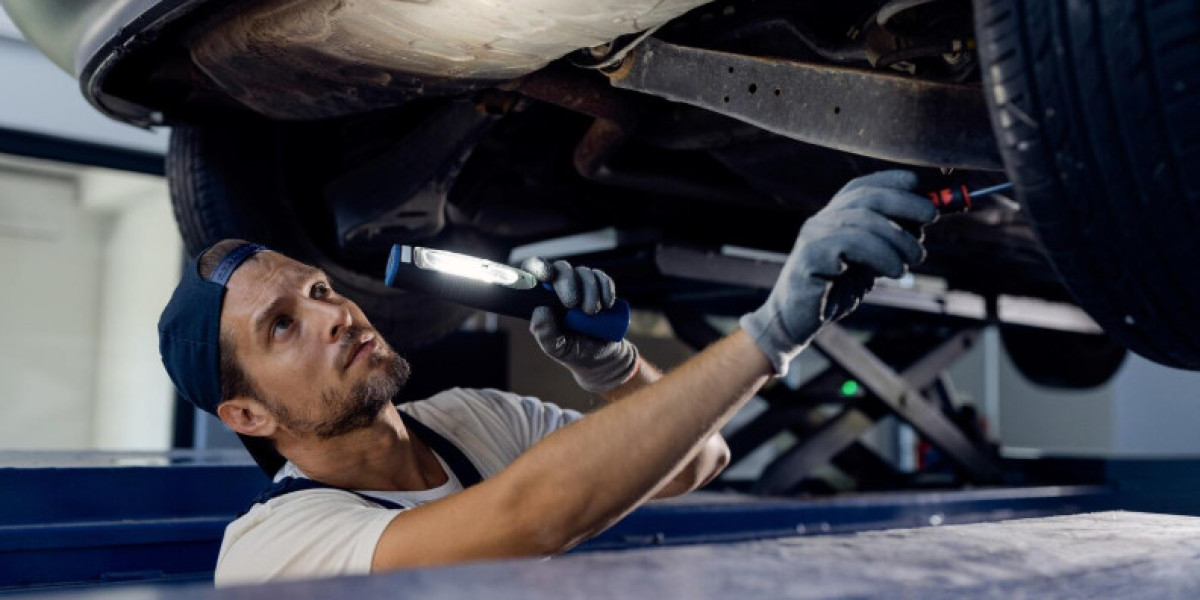
Routine maintenance helps reduce the likelihood of unexpected brake system failures. During scheduled service, technicians often inspect brake lines for corrosion, leaks, loose fittings, and wear. Checking brake fluid levels and replacing old brake fluid according to the manufacturer's recommendations also supports the overall health of the braking system. Keeping the underside of the vehicle clean, particularly after driving on salted roads, may help slow corrosion over time.
Ignoring damaged brake lines can increase stopping distances and reduce driver control during emergency braking situations. Small leaks may worsen gradually, leading to a noticeable drop in hydraulic pressure. Because braking systems operate under high pressure, even minor damage deserves prompt attention. Addressing issues early often prevents additional wear to other braking components and contributes to safer driving conditions for everyone on the road.
Understanding the function of brake lines encourages better vehicle care and improved road safety. Regular inspections, attention to warning signs, and timely brake line repair help maintain consistent braking performance throughout the life of a vehicle. Whether driving short daily commutes or taking longer trips, maintaining a dependable braking system remains an essential part of responsible vehicle ownership.