
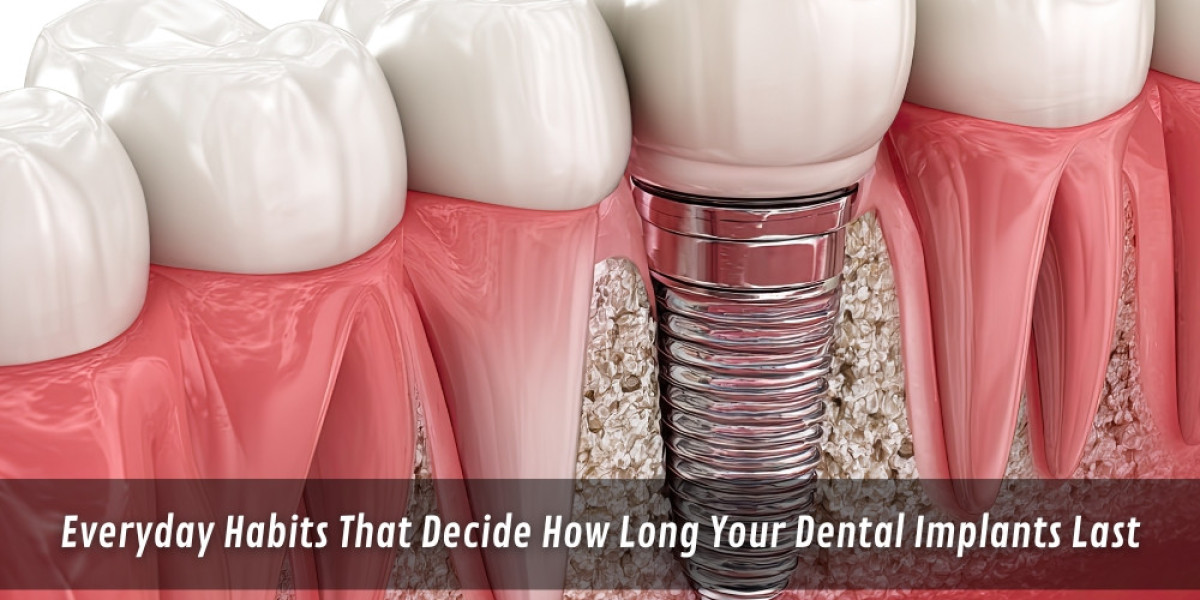
Dental implants are built to handle decades of chewing, smiling and conversation. Yet their real-world lifespan rarely comes down to titanium or ceramic alone. In 2026 the biggest determinants of success are often the small routines we repeat without thinking—what we eat, how we clean, whether we finally quit that morning cigarette. Understanding their effect early can spare Melbourne patients a return trip to the dental chair later.
Why the Mouth Mirrors the Rest of the Body
Implants rely on the surrounding bone and gum tissue for stability. Anything that undermines blood flow, slows healing or alters oral bacteria tips the balance. Early on, that means healthy cells must knit tightly around the fixture; later, it’s about preventing gradual bone loss under daily load. That’s why people considering advanced implant options in Melbourne are screened not just for jaw space but for broader health markers such as diabetes control, medication use and immune status.
A week of poor brushing will rarely shift an implant. Years of chronic inflammation might. Think of it less as a static device and more as a partnership between engineered materials and living tissue—a partnership influenced by the same factors that shape heart, lung and joint health.
Foods, Drinks and Supplements Worth a Second Look
Melbourne’s café culture celebrates sourdoughs, almond croissants and double-espressos. Enjoy them, but understand their cumulative effect:
- Sticky or ultra-refined carbohydrates feed acid-producing bacteria that can irritate peri-implant tissue.
- Repeated hot-then-cold drinks cause micro-movements in abutment screws that should stay hand-tight for years.
- Excess alcohol dries the mouth, thinning the protective saliva film that dilutes acid.
Protein, calcium and vitamin D remain the three nutritional pillars for bone maintenance. A balanced plate is usually enough, but vegans or patients with malabsorption issues may need a dietitian’s input. Supplements marketed as “bone builders” can help some people; others may waste money without first addressing the underlying diet.
Quick reference: diet impact
Habit or Food Choice | Potential Effect on Implant Sites | Practical Tweak |
Sugary snacks between meals | Creates extended acid window | Pair with water rinse; keep treats to mealtimes |
Frequent coffee sipping | Raises stain risk; micro-temperature shocks | Finish beverage in one sitting; regular pro cleans |
Low-protein diet | Slower bone turnover | Aim for protein with each meal (fish, legumes, eggs) |
Limited sun exposure | Sub-optimal vitamin D synthesis | Short daily outdoor walks or GP-guided supplement |
Lifestyle Red Flags to Address Early
By mid-life many Australians juggle work stress, after-hours screens and sporadic fitness. Individually those habits feel minor; together they can undercut implant longevity. Emerging research on lifestyle factors affecting implants shows three patterns worth closer attention:
Smoking and vaping
Nicotine narrows blood vessels, slowing healing and doubling peri-implant disease risk. Heat and chemical by-products also alter the oral microbiome. Some patients switch to vaping assuming it is harmless; evidence suggests vapour still carries inflammatory compounds. Dentists now routinely delay or stage surgeries for anyone struggling to quit.
Unmanaged bruxism
Night-time grinding delivers forces far beyond normal chewing. Even the strongest crown can loosen if the screw joint is flexed nightly. A custom occlusal splint remains the gold standard; off-the-shelf guards often feel comfortable yet spread forces unevenly.
Metabolic conditions
Type 2 diabetes, osteoporosis and thyroid disorders each change bone turnover. Well-controlled diabetes shows implant survival similar to non-diabetics, but erratic glucose sends complication rates upward. Shared care between dentist, GP and endocrinologist usually yields the best outcome.
Comparative glance at common risks
Lifestyle Factor | Low-Risk Scenario | Elevated-Risk Scenario |
Tobacco use | Non-smoker | Smokes ≥10 cigarettes per day |
Bruxism | Occasional clenching during stress | Diagnosed sleep bruxism without splint |
Diabetes | HbA1c within target range | Poorly controlled, frequent fluctuations |
Alcohol | ≤2 standard drinks, 2 days off weekly | Daily intake over guideline limits |
Keeping Tabs — Simple Checks to Track Implant Health
Dentists schedule maintenance visits, yet self-awareness between appointments often spots early warning signs:
- Bleeding on brushing that persists beyond a few days signals inflammation.
- Bad taste or odour around an implant can precede infection.
- Subtle movement felt when tapping the crown indicates loosening hardware.
- Gum recession exposing metal parts invites plaque and sensitivity.
At-home water flossers and inter-dental brushes remain the frontline defence. Melbourne’s fluoridated water offers extra protection, but hygiene tools still need daily use. Smartphone reminders help patients integrate a 90-second floss routine into evenings otherwise lost to streaming services.
Regular panoramic X-rays map jawbone density over time. People with a history of periodontal disease may require annual imaging, while low-risk patients often alternate years. Discuss the schedule openly; targeted scans keep radiation minimal while catching bone dips early.
Where to from here
Implants deliver freedom to bite into a crisp Pink Lady or laugh without denture paste, but that freedom rests on daily decisions. Melbourne’s dental community has long emphasised prevention because replacement costs—financial and biological—climb once threads loosen or bone retreats. Current Australian Dental Association guidance confirms that consistent hygiene, smoke-free living and managed health conditions remain the strongest predictors of long-term success. Patients who weave these habits into everyday life rarely need to think about their implant at all; it simply behaves like a natural tooth for years on end.






