
Plumbing fixtures are among the most important components of any residential or commercial property. They provide access to clean water, support sanitation, and contribute to the overall comfort and functionality of a space. Whether you are building a new home, renovating a bathroom, or upgrading a kitchen, selecting the right plumbing fixture can improve efficiency, enhance aesthetics, and increase property value.
Modern plumbing fixtures are designed to combine style, durability, and water conservation. With advancements in technology, homeowners now have access to smart faucets, water-saving toilets, touchless fixtures, and high-performance shower systems that deliver convenience while reducing water consumption. Understanding the different types of plumbing fixtures and knowing how to maintain them can help you make informed decisions and extend the lifespan of your plumbing system.
What Is a Plumbing Fixture?
A plumbing fixture is any device connected to a plumbing system that delivers or drains water. These fixtures are installed in kitchens, bathrooms, laundry rooms, and outdoor spaces to provide essential water-related functions. They are permanently connected to the plumbing network and play a vital role in everyday activities such as cooking, cleaning, bathing, and sanitation.
Plumbing fixtures come in a wide range of designs, materials, and finishes to suit different architectural styles and personal preferences. From classic chrome faucets to elegant matte black showerheads, homeowners have countless options to match their interior décor.
Common Types of Plumbing Fixtures
There are several types of plumbing fixtures used throughout a home or commercial building. Each serves a unique purpose while contributing to the efficiency of the plumbing system.
Faucets
Faucets are one of the most frequently used plumbing fixtures. They regulate the flow of hot and cold water in kitchens, bathrooms, and utility rooms. Modern faucets are available in various styles, including single-handle, double-handle, pull-down, touchless, and sensor-operated models.
Sinks
Sinks are essential fixtures found in kitchens, bathrooms, laundry areas, and commercial spaces. They are available in materials such as stainless steel, porcelain, granite composite, and cast iron. Choosing the right sink depends on durability, maintenance requirements, and aesthetic appeal.
Toilets
Toilets are among the most important plumbing fixtures for maintaining hygiene and sanitation. Modern toilets include dual-flush systems, pressure-assisted models, and water-efficient designs that reduce water usage without compromising performance.
Showers and Bathtubs
Bathrooms often feature showers, bathtubs, or a combination of both. These fixtures are designed to provide comfort and relaxation while improving the functionality of the bathroom. Rainfall showerheads, handheld shower systems, and whirlpool bathtubs have become increasingly popular in modern homes.
Bidets
Bidets are gaining popularity due to their hygienic benefits and water efficiency. They provide enhanced personal cleanliness and are available as standalone units or integrated toilet seats.
Utility Fixtures
Laundry sinks, utility basins, outdoor faucets, and hose bibs are practical plumbing fixtures that simplify household chores and outdoor maintenance.
Benefits of High-Quality Plumbing Fixtures
Investing in premium Toilet bathroom Fixtures offers numerous long-term advantages. While budget-friendly options may seem attractive initially, high-quality fixtures typically provide better durability and performance.
Improved Water Efficiency
Water-saving plumbing fixtures significantly reduce water consumption. Low-flow faucets, showerheads, and dual-flush toilets help homeowners conserve water and lower utility bills while supporting environmental sustainability.
Enhanced Appearance
Stylish plumbing fixtures can instantly elevate the appearance of kitchens and bathrooms. Coordinated finishes and modern designs create a cohesive interior that adds sophistication to any space.
Greater Durability
Quality fixtures made from brass, stainless steel, or premium ceramic materials resist corrosion, leaks, and everyday wear. This results in fewer repairs and a longer service life.
Increased Property Value
Upgraded plumbing fixtures can improve the overall value of a property. Prospective buyers often appreciate modern bathrooms and kitchens equipped with attractive, energy-efficient fixtures.
Factors to Consider When Choosing Plumbing Fixtures
Selecting the right plumbing fixtures requires careful planning. Several important factors should influence your purchasing decision.
Material Quality
The material determines durability, maintenance requirements, and longevity. Brass and stainless steel are among the most reliable options because they resist rust and corrosion.
Water Efficiency
Look for fixtures specifically designed to minimize water usage while maintaining strong performance. Efficient fixtures help reduce monthly utility expenses and support responsible water conservation.
Design Compatibility
Choose plumbing fixtures that complement the overall style of your home. Whether your interior design is traditional, contemporary, industrial, or minimalist, selecting matching finishes creates a harmonious appearance.
Ease of Maintenance
Some finishes resist fingerprints, water spots, and mineral buildup more effectively than others. Fixtures that are easy to clean require less maintenance over time.
Installation Requirements
Before purchasing new fixtures, verify that they are compatible with your existing plumbing system. Professional installation may be necessary for certain upgrades to ensure proper operation and prevent leaks.
Tips for Maintaining Plumbing Fixtures
Proper maintenance extends the lifespan of plumbing fixtures and keeps them functioning efficiently.
Regular cleaning helps prevent mineral deposits and soap scum from accumulating on faucets and showerheads. Using mild cleaning solutions instead of harsh chemicals protects decorative finishes.
Inspect fixtures periodically for signs of leaks, corrosion, or loose connections. Addressing small issues early can prevent costly plumbing repairs in the future.
Replace worn-out washers, cartridges, or seals as needed. These inexpensive components often resolve dripping faucets and improve performance.
Avoid using abrasive scrubbers on polished surfaces, as they may scratch protective coatings and reduce the fixture's appearance.
If you live in an area with hard water, installing a water softener can reduce mineral buildup and extend the life of your plumbing fixtures.
Modern Trends in Plumbing Fixtures
The plumbing industry continues to evolve with innovative technologies and stylish designs.
Touchless faucets have become increasingly popular due to their convenience and hygiene. Motion sensors allow users to operate faucets without physical contact, reducing the spread of germs.
Smart plumbing fixtures now offer features such as voice control, temperature memory, leak detection, and water usage monitoring through smartphone applications.
Matte black, brushed gold, and brushed nickel finishes have become preferred choices for homeowners seeking a modern, luxurious appearance.
Eco-friendly plumbing fixtures continue to gain popularity as more homeowners prioritize sustainability. Manufacturers are developing products that reduce water consumption without sacrificing comfort or performance.
Common Plumbing Fixture Problems
Even high-quality plumbing fixtures can develop issues over time. Some of the most common problems include dripping faucets, clogged drains, leaking pipes, low water pressure, running toilets, and worn-out seals.
Ignoring these problems can lead to water waste, increased utility bills, and potential structural damage. Routine inspections and timely repairs help maintain the efficiency of your plumbing system and prevent more serious issues from developing.
Why Professional Installation Matters
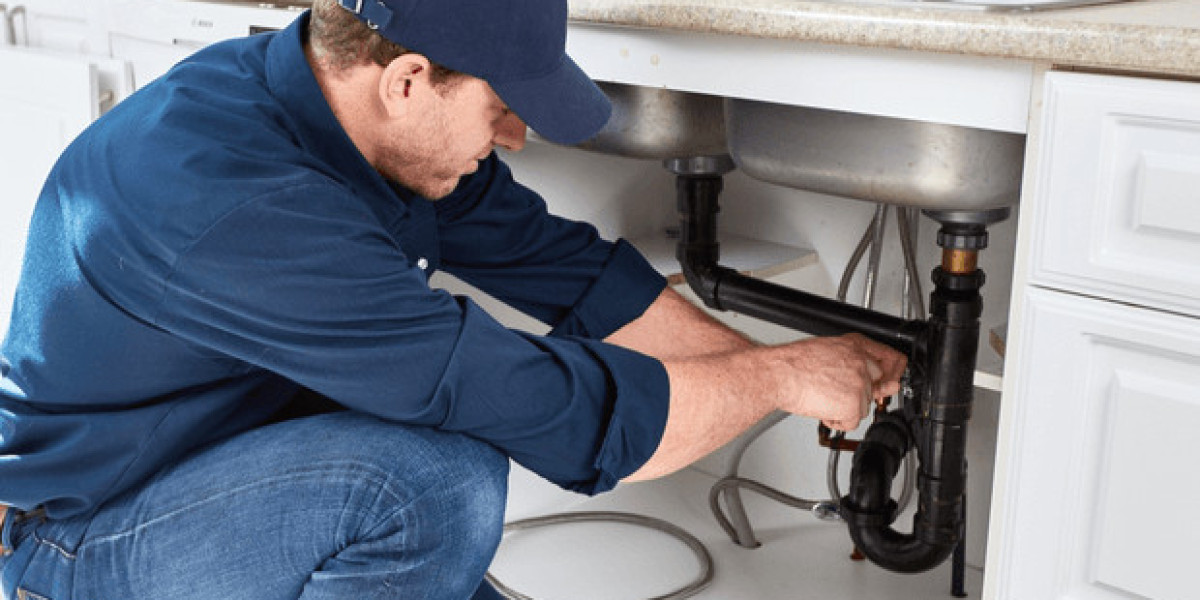
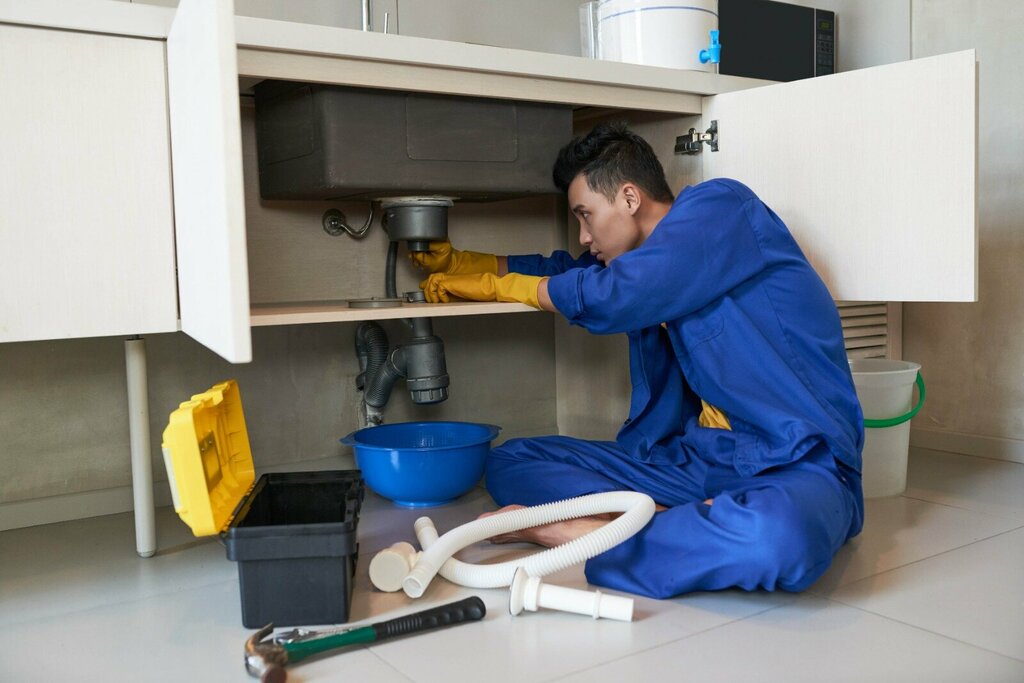
Although some homeowners choose to install plumbing fixtures themselves, professional installation offers several advantages. Licensed plumbers ensure proper connections, correct water pressure, secure sealing, and compliance with local plumbing codes.
Professional installation minimizes the risk of leaks, improper alignment, and costly mistakes. It also protects manufacturer warranties that may require certified installation for coverage.
Conclusion
A plumbing fixture is much more than a functional household component—it is an essential part of a safe, efficient, and comfortable living environment. From faucets and sinks to toilets and showers, every fixture contributes to the performance of your plumbing system and the overall convenience of your daily routine. By selecting high-quality products, prioritizing water efficiency, and performing regular maintenance, homeowners can enjoy reliable performance for many years. Whether you are planning a complete renovation or simply replacing outdated fixtures, investing in the right plumbing fixtures is a practical decision that enhances both the beauty and value of your property.






