
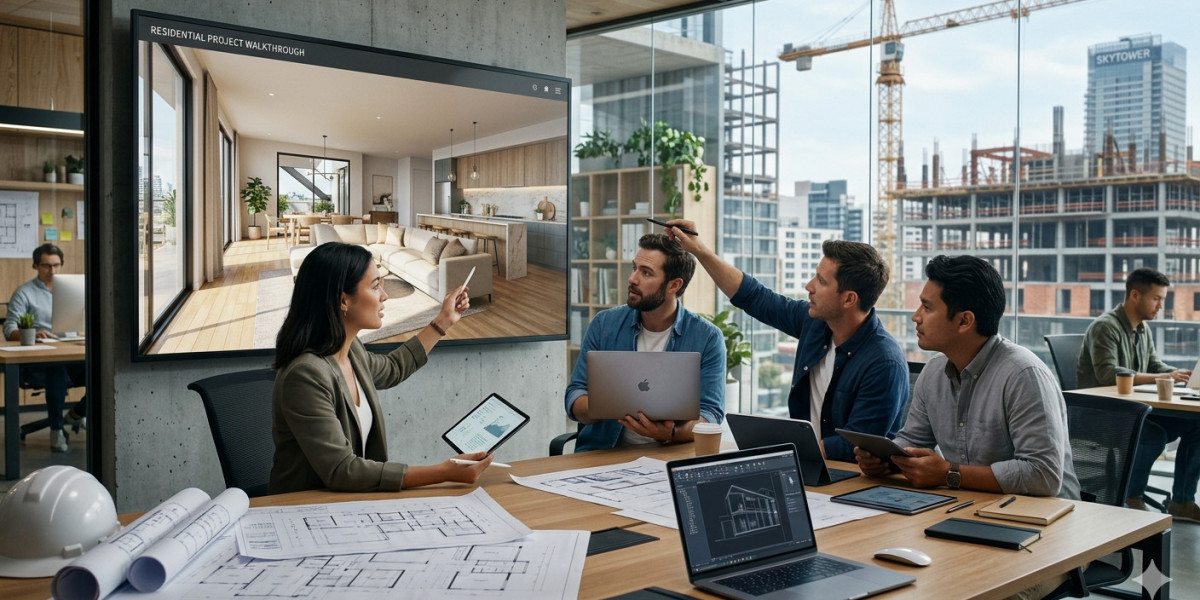
Construction projects involve multiple stages, from planning and design to execution and completion. Despite careful preparation, many construction projects still face costly mistakes, delays, and design inconsistencies. These issues often arise because traditional 2D drawings and blueprints do not fully communicate the final vision of a project. Misinterpretation of plans can lead to structural errors, design conflicts, and inefficient use of materials.This is where 3D walkthrough services play a significant role. By providing a realistic, immersive view of a building before construction begins, these services allow architects, engineers, contractors, and clients to visualize the entire project in detail. As a result, many common construction mistakes can be identified and resolved early in the design phase.In this article, we will explore the most common construction mistakes and how 3D walkthrough services help prevent them, ensuring smoother project execution and better results.
Lack of Design Clarity
One of the most common mistakes in construction projects is a lack of clarity in design interpretation. Traditional architectural drawings, while detailed, can sometimes be difficult for non-technical stakeholders to understand. Clients, contractors, and investors may struggle to interpret floor plans, elevations, and sections correctly.When designs are misunderstood, it can lead to incorrect implementation during construction. Walls may be placed incorrectly, ceiling heights may not match expectations, or the overall layout might not function as intended.3D walkthrough services eliminate this confusion by presenting a realistic visual representation of the building. Stakeholders can virtually walk through rooms, corridors, and outdoor spaces before construction begins. This helps everyone understand the design clearly and ensures that the project aligns with the original vision.
Poor Space Planning
Another common mistake in construction is inefficient space planning. While a floor plan may look good on paper, the actual functionality of the space may not become apparent until construction is complete.
For example,
- Rooms may feel too small or cramped.
- Furniture placement may not work as intended.
- Walkways and corridors may restrict movement.
Correcting these issues after construction begins can be expensive and time-consuming.With 3D walkthrough visualization, designers and clients can experience the actual spatial flow of a building before construction starts. This allows adjustments to be made early, ensuring optimal use of space and improved functionality.
Design Conflicts Between Building Elements
Modern construction projects involve multiple disciplines such as architecture, structural engineering, mechanical systems, plumbing, and electrical planning. When these systems are designed separately, conflicts between components often occur.
For example,
- HVAC ducts may intersect with structural beams.
- Lighting fixtures may conflict with ceiling design.
- Plumbing systems may clash with electrical layouts.
These conflicts often become visible only during construction, leading to costly rework.3D walkthrough and visualization tools help identify these issues during the design stage. By integrating different building systems into a single visual model, potential clashes can be detected early, preventing delays and unexpected expenses.
Incorrect Material Selection
Choosing the wrong materials is another frequent mistake in construction projects. Sometimes materials that look good in samples or catalogs may not work well in the actual design environment.
Issues that can arise include.
- Colors that clash with surrounding elements
- Textures that appear different in large spaces
- Materials that do not match the overall aesthetic
3D walkthrough services allow designers to apply realistic materials and lighting effects to the virtual model. This enables stakeholders to see how materials will look in real conditions, helping them make informed decisions before construction begins.
Miscommunication Between Stakeholders
Construction projects involve many stakeholders, including architects, contractors, engineers, developers, and clients. Miscommunication between these parties is a major cause of project delays and design errors.
When stakeholders rely solely on technical drawings, misunderstandings can occur regarding.
- Design intent
- Structural details
- Interior layouts
- Construction methods
3D walkthrough presentations improve communication by providing a shared visual reference that everyone can understand. Clients can easily express their feedback, and contractors can better interpret design requirements.This collaborative approach significantly reduces misunderstandings and helps teams stay aligned throughout the project.
Overlooking Aesthetic Details
A building’s visual appeal plays a major role in its success, especially in residential, commercial, and real estate developments. However, aesthetic details are often overlooked during the planning stage when designs are presented only through technical drawings.
Elements that may not be fully evaluated include.
- Lighting effects
- Interior design balance
- Exterior façade appearance
- Landscaping integration
3D walkthrough services allow designers to preview these visual aspects in a realistic environment. Clients can explore how lighting interacts with materials, how colors complement each other, and how the overall design looks from different angles.This level of visualization helps refine the design and achieve a more visually appealing final result.
Costly Design Changes During Construction
One of the most expensive mistakes in construction is making design changes after construction has already started. When clients realize that certain elements do not meet their expectations, modifications may require demolition, redesign, and additional labor.
These changes can lead to.
- Increased project costs
- Delayed timelines
- Wasted materials
By using 3D walkthrough services during the planning stage, clients can thoroughly review the design before construction begins. They can request changes early, reducing the likelihood of costly adjustments later.
Poor Client Expectations Management
Another common issue in construction projects is a gap between client expectations and the final outcome. Clients often rely on imagination when reviewing architectural plans, which may lead to unrealistic expectations.Once the building is completed, they may feel disappointed if the actual structure does not match their mental image.3D walkthrough visualization bridges this gap by showing clients exactly what the final building will look like. They can explore every space and detail in advance, ensuring that expectations are realistic and aligned with the final result.
Inefficient Project Marketing
For real estate developers and property investors, construction mistakes are not limited to structural or design issues. Ineffective marketing before project completion can also affect profitability.Without visual content, it can be difficult to attract buyers or investors for properties that are still under construction.3D walkthrough animations provide high-quality visual presentations that can be used for marketing and promotional campaigns. These immersive visuals allow potential buyers to explore properties virtually, increasing engagement and improving sales opportunities.
Safety and Accessibility Oversights
Safety and accessibility are essential considerations in modern construction projects. However, these elements are sometimes overlooked during the design stage.
Examples include.
- Narrow staircases
- Inadequate emergency exits
- Poor accessibility for people with disabilities
By exploring a building through a 3D walkthrough, designers can evaluate safety features and accessibility in a realistic way. This helps identify potential issues early and ensures compliance with safety standards and regulations.
The Growing Importance of 3D Walkthrough Technology
As construction projects become more complex, the need for advanced visualization tools continues to grow. 3D walkthrough services are no longer just optional design enhancements; they have become an essential part of modern architectural planning.
These services help teams.
- Improve design accuracy
- Enhance communication
- Reduce construction errors
- Save time and money
- Deliver better project outcomes
Companies like SMA Archviz provide professional 3D visualization solutions that help architects, developers, and builders bring their concepts to life while minimizing risks and mistakes during construction.
Conclusion
Construction projects involve significant investments of time, money, and resources. Even small mistakes can lead to major setbacks if they are discovered during the construction phase. Many of these issues arise due to limitations in traditional design communication methods.3D walkthrough services provide a powerful solution by allowing stakeholders to visualize projects in a realistic and interactive way before construction begins. From preventing design conflicts and material mistakes to improving communication and managing client expectations, these services play a vital role in modern construction planning.By adopting 3D walkthrough technology, construction professionals can identify potential problems early, make better decisions, and ensure smoother project execution. Ultimately, this leads to more efficient construction processes, satisfied clients, and successful project outcomes.