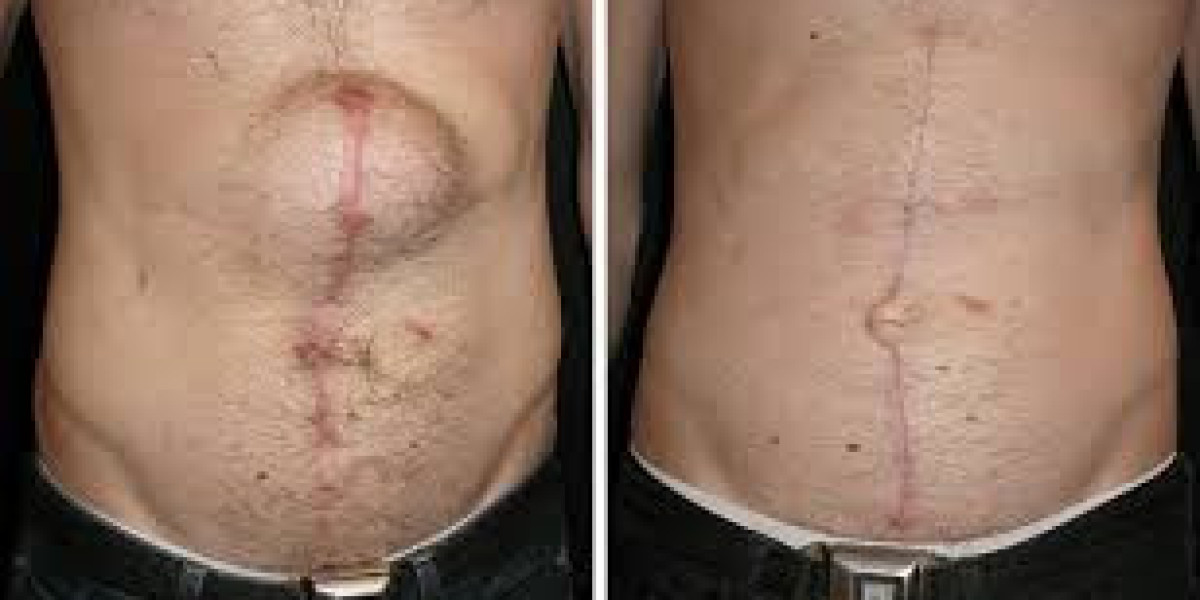
Hernia surgery is one of the most commonly performed procedures in the United Kingdom, helping thousands of patients each year regain comfort and improve their quality of life. A hernia occurs when an internal organ or tissue pushes through a weak spot in the surrounding muscle or connective tissue, often resulting in a visible bulge and discomfort. While some hernias may initially seem harmless, they can lead to serious complications if left untreated, making surgical intervention an important option for many patients.
In the UK, hernia surgery is widely available through both the National Health Service (NHS) and private healthcare providers. The most common types of hernias treated include inguinal (groin), femoral, umbilical, and incisional hernias. Each type varies in location and severity, but the underlying issue remains the same: a weakness in the abdominal wall that requires repair.
The primary goal of hernia surgery is to push the protruding tissue back into place and strengthen the weakened area. This is typically achieved using one of two main techniques: open surgery or laparoscopic (keyhole) surgery. Open surgery involves making a single larger incision near the hernia site, while laparoscopic surgery uses several small incisions and specialized instruments, including a camera, to guide the procedure. Both methods are highly effective, though laparoscopic surgery often offers quicker recovery times and less postoperative pain.
One of the key advancements in hernia repair in the UK is the use of surgical mesh. This synthetic material is placed over the weakened area to provide additional support and reduce the risk of recurrence. Mesh repair has become the standard approach for many types of hernias, although non-mesh (tissue-based) repairs are still used in certain cases, depending on the patient’s condition and surgeon’s recommendation.
Patients undergoing hernia surgery in the UK typically experience a straightforward process. Preoperative assessments are conducted to evaluate overall health and suitability for surgery. Most procedures are performed as day cases, meaning patients can return home on the same day. Recovery times vary depending on the type of surgery and individual factors, but many people can resume normal activities within a few weeks.
The UK healthcare system places a strong emphasis on patient safety and quality of care. Surgeons are highly trained, and hospitals follow strict guidelines to minimize risks such as infection or complications. While hernia surgery is generally safe, potential risks include pain, swelling, recurrence, or, in rare cases, complications related to the mesh. Patients are encouraged to discuss all concerns with their healthcare provider before proceeding.
Another important aspect of hernia care in the UK is postoperative support. Patients receive guidance on wound care, physical activity, and lifestyle changes to promote healing and prevent recurrence. Maintaining a healthy weight, avoiding heavy lifting, and strengthening core muscles can all help reduce the risk of future hernias.
In conclusion, hernia surgery in the UK is a well-established and highly effective treatment option for individuals suffering from this common condition. With advanced surgical techniques, experienced medical professionals, and comprehensive patient care, the UK continues to provide excellent outcomes for those seeking relief from hernia-related discomfort.