
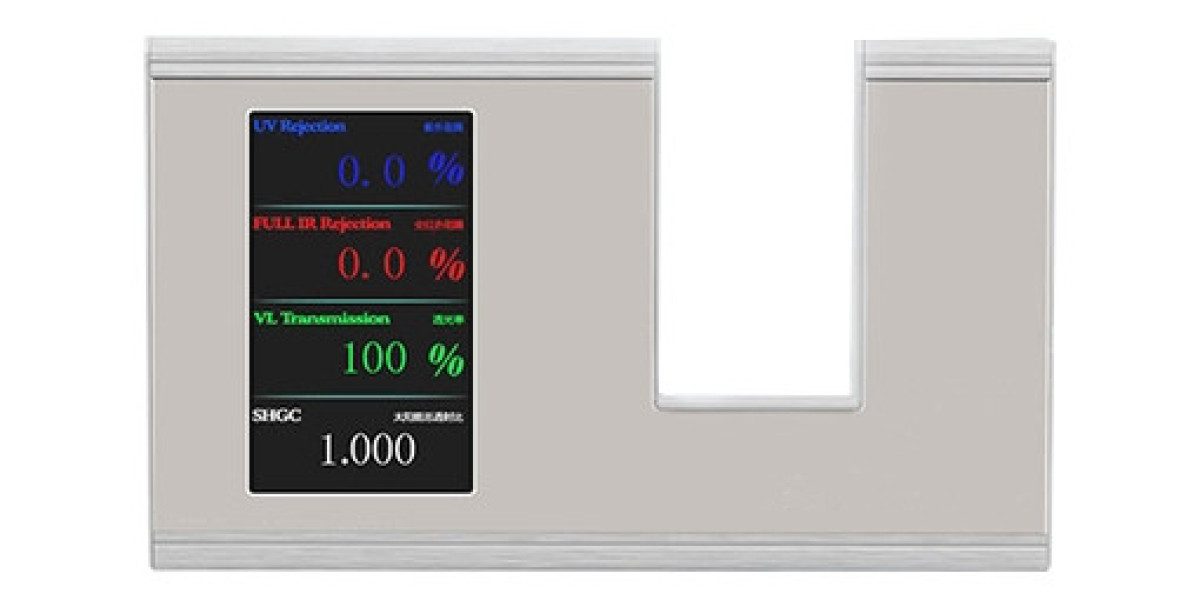
In many industries today, controlling light transmission through glass and materials is more important than ever. From automotive safety to building efficiency, the ability to accurately measure how much light passes through a surface plays a critical role. This is where tint meters come into use.
A tint meter is a device designed to measure visible light transmission (VLT), which represents the percentage of light that can pass through a material. Whether it is car window film, architectural glass, or industrial coatings, maintaining consistent light transmission is essential for both performance and compliance.
Why Light Transmission Matters?
Light transmission is not just about aesthetics—it directly impacts safety and functionality. For example, in the automotive industry, overly dark window tint can reduce visibility and increase the risk of accidents. This is why many regions have regulations specifying the minimum level of light transmission allowed.
In buildings, glass with improper light transmission can affect energy efficiency, indoor comfort, and even productivity. Measuring and controlling these factors helps ensure optimal performance.
How Tint Meters Work?
Tint meters operate by emitting a controlled light source and measuring how much of that light passes through a material. The device then calculates the transmission percentage and displays it instantly.
Modern tint meters are designed to be portable, easy to use, and highly accurate, making them suitable for both field inspections and laboratory testing.
Applications Across Industries
SISCO tint meters are widely used in various fields:
- Automotive inspection and compliance testing
- Construction and architectural glass evaluation
- Manufacturing quality control
- Solar panel and optical material analysis
These applications highlight the importance of reliable measurement tools in maintaining standards and consistency.
Choosing a Reliable Tint Meter
When selecting a tint meter, users typically consider accuracy, ease of use, and compatibility with different materials. Portable models are especially popular due to their convenience and efficiency.
Conclusion
As industries continue to demand higher precision and compliance, tint meters have become essential tools for measuring light transmission. By providing accurate and consistent data, they help ensure safety, quality, and performance across a wide range of applications.






