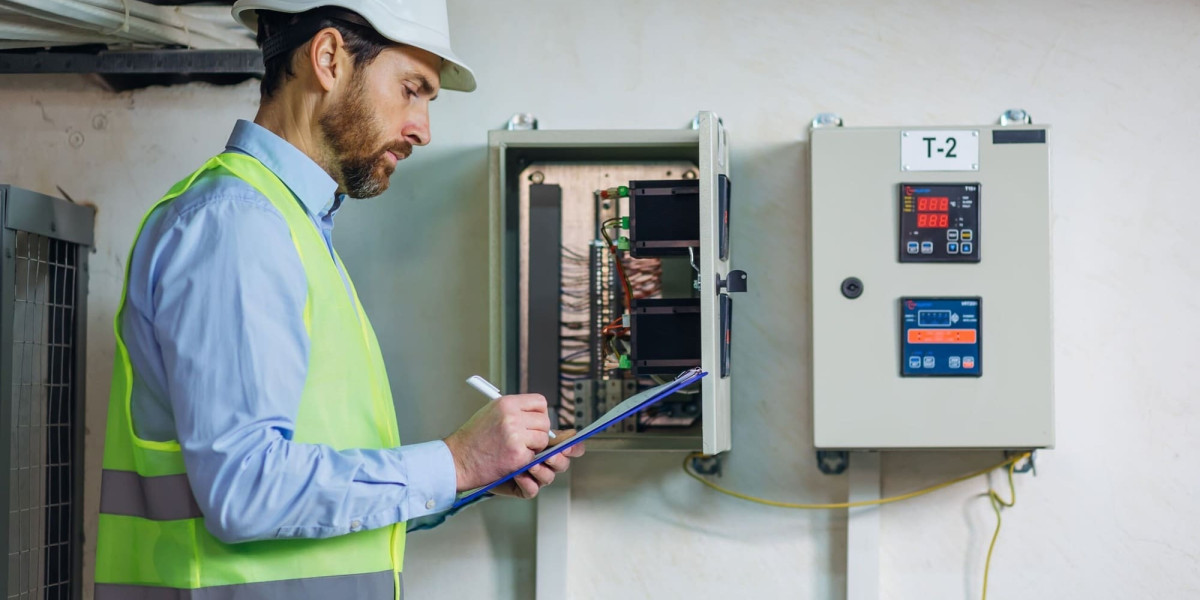
Electrical defects are common in home inspections. Some are minor corrections, while others create safety
concerns that should be evaluated by a licensed electrician. Because electrical systems are hidden in many
areas, visible defects deserve careful attention.
One common issue is missing GFCI protection. GFCI devices help reduce shock hazards in areas where
electricity and moisture may be present, such as bathrooms, kitchens, garages, exteriors, crawlspaces, and
laundry areas. Older homes may not have this protection in all modern recommended locations.
Open junction boxes are another frequent finding. Wire splices should be contained inside approved boxes
with covers. Exposed splices can increase the risk of shock, damage, or overheating.
Double-tapped breakers may also appear in panels. This occurs when more than one conductor is
connected to a breaker not designed for multiple wires. Some breakers are rated for this, but many are not.
When improper, correction is recommended.
An electrical inspection from Upchurch Inspection can help buyers identify visible safety concerns and know
when a licensed electrician should evaluate or repair the system.
Missing cover plates, loose outlets, damaged receptacles, reversed polarity, open grounds, and ungrounded
three-prong outlets are also common. These defects may seem small but can affect safety and proper
operation.
A home inspector’s electrical review is visual and limited. Inspectors do not fully map circuits or open
concealed areas. However, visible defects can reveal important clues about the condition of the system.