
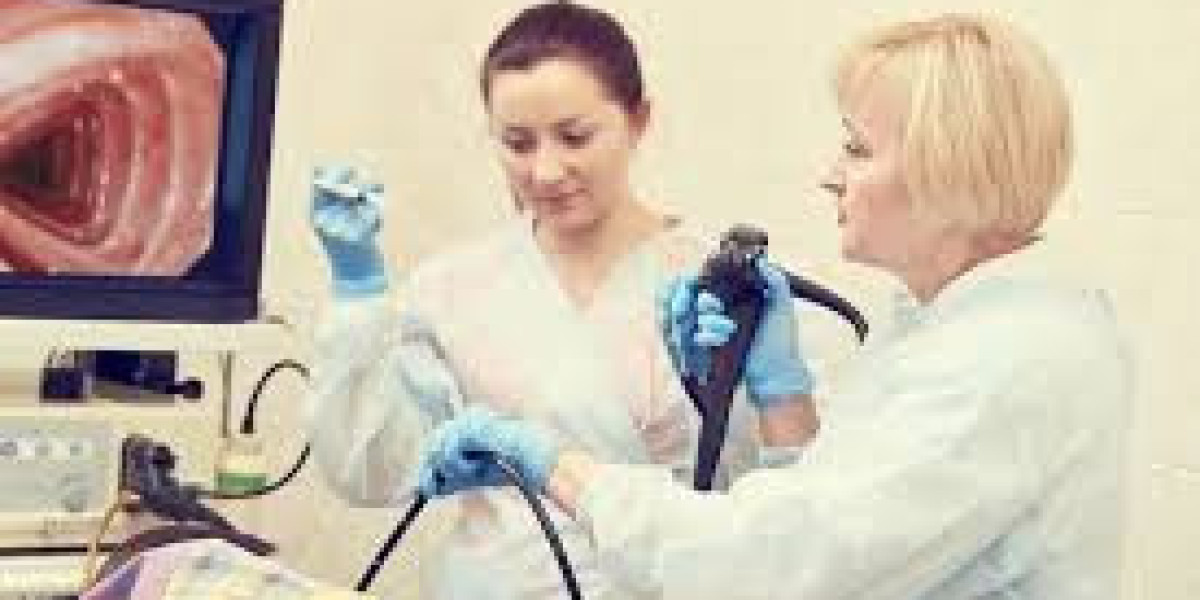
Lower gastrointestinal (GI) endoscopy is an important medical procedure widely used in the United Kingdom to diagnose and treat conditions affecting the large intestine. It plays a crucial role in detecting bowel diseases early, including colorectal cancer, inflammatory bowel disease, polyps, and unexplained digestive symptoms. With advanced healthcare facilities and skilled specialists, lower GI endoscopy in the United Kingdom is considered a safe, accurate, and highly effective diagnostic tool.
Lower GI endoscopy mainly includes procedures such as colonoscopy and sigmoidoscopy. A colonoscopy examines the entire colon (large bowel), while a sigmoidoscopy focuses on the lower part of the colon and rectum. These procedures allow doctors to directly view the intestinal lining using a flexible tube with a camera called an endoscope. This provides clear and detailed images that help identify abnormalities that cannot be detected through scans or blood tests alone.
One of the primary reasons patients undergo lower GI endoscopy is to investigate symptoms such as persistent abdominal pain, changes in bowel habits, rectal bleeding, unexplained weight loss, or chronic diarrhea. It is also used as a screening tool for colorectal cancer, which is one of the most common cancers in the UK. Early detection through endoscopy significantly improves treatment outcomes and survival rates.
In the UK, lower GI endoscopy services are widely available through the National Health Service (NHS) as well as private healthcare providers. Patients are usually referred by their general practitioner (GP) after an initial assessment. Depending on the urgency of symptoms, the procedure may be scheduled within weeks or sooner for high-risk cases. The NHS also runs bowel cancer screening programs that invite eligible individuals for routine colonoscopy tests to detect early signs of disease.
Before undergoing a lower GI endoscopy, patients are given detailed preparation instructions. This typically includes following a special diet and taking laxatives to clear the bowel. A clean bowel is essential for clear visibility during the procedure. Patients are also advised about medication adjustments, especially if they are taking blood thinners or other long-term treatments.
During the procedure, patients are usually given sedation to help them relax and reduce discomfort. The endoscope is gently inserted through the rectum and guided through the colon. The doctor carefully examines the intestinal lining while monitoring images on a screen. If necessary, small tissue samples (biopsies) can be taken for laboratory analysis. Polyps can also be removed during the procedure, which helps prevent future development of cancer.
Lower GI endoscopy is generally safe, but like all medical procedures, it carries some risks. These may include mild bloating, temporary discomfort, or in rare cases, bleeding or perforation of the bowel. However, serious complications are uncommon, especially when the procedure is performed by experienced specialists in well-equipped hospitals across the UK.
Recovery after the procedure is usually quick. If sedation is used, patients are monitored for a short time before being allowed to go home. It is recommended to rest for the remainder of the day and avoid driving or operating machinery. Most people can return to normal activities within 24 hours. Results from biopsies or tissue samples may take a few days to a couple of weeks.
One of the major advantages of lower GI endoscopy in the UK is access to highly trained gastroenterologists and advanced medical technology. Hospitals follow strict safety standards and infection control measures to ensure patient well-being. Private healthcare options also offer faster appointments and more flexible scheduling for those who prefer reduced waiting times.
In conclusion, lower GI endoscopy is a vital procedure for diagnosing and managing bowel-related conditions in the United Kingdom. It provides accurate results, supports early detection of serious diseases, and allows timely treatment. With modern equipment, expert care, and strong healthcare systems, patients in the UK can rely on lower GI endoscopy as a key tool for maintaining digestive health and preventing long-term complications.






