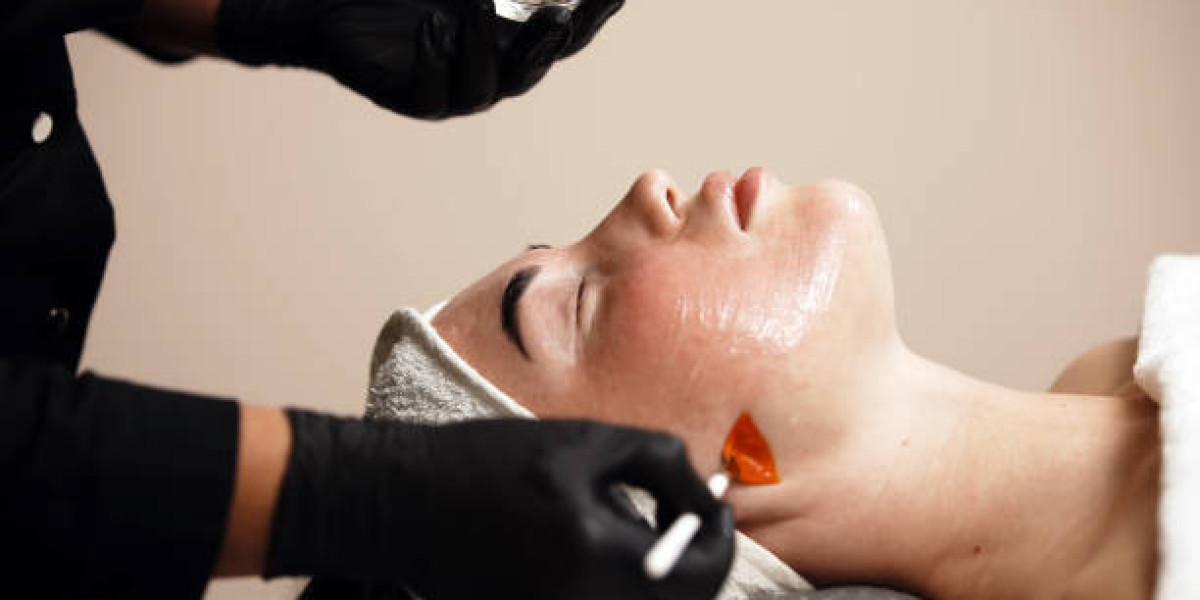
Healthy skin looks smooth, clear, and radiant, but different skin concerns such as acne, pigmentation, dullness, enlarged pores, and fine lines can affect the skin’s overall appearance. Many people now choose Chemical Peels in Islamabad because they help improve skin texture, brighten the complexion, and support healthy skin renewal. However, selecting the right chemical peel for your skin type is extremely important for achieving safe and effective results.
Not every chemical peel works the same way for every person. Different skin types react differently to exfoliating acids and peel strengths. Choosing the correct peel helps improve skin concerns while reducing the risk of irritation, sensitivity, or uneven healing.
What Are Chemical Peels?
Chemical peels are professional skin treatments that use specially formulated acids to exfoliate damaged outer layers of the skin. As the old skin sheds naturally, healthier and fresher skin appears underneath.
Chemical peels are commonly used to improve:
- Acne and acne scars
- Hyperpigmentation
- Uneven skin tone
- Dull skin
- Fine lines and wrinkles
- Enlarged pores
- Rough texture
- Sun damage
The treatment also stimulates skin renewal and collagen production, helping improve overall skin quality.
Why Skin Type Matters Before Choosing a Chemical Peel
Every skin type has different characteristics and sensitivities. A peel that works well for oily skin may not be suitable for dry or sensitive skin.
Choosing the wrong peel can lead to:
- Excessive irritation
- Redness
- Dryness
- Uneven peeling
- Increased sensitivity
- Pigmentation issues
This is why professional skin assessment is essential before treatment.
Understanding Different Skin Types
Oily Skin
Oily skin produces excess sebum, which can lead to acne, clogged pores, and shiny skin.
Common concerns include:
- Acne breakouts
- Blackheads
- Enlarged pores
- Excess oil production
Dry Skin
Dry skin lacks moisture and may feel rough, flaky, or tight.
Common concerns include:
- Flakiness
- Dullness
- Rough texture
- Sensitivity
Combination Skin
Combination skin includes both oily and dry areas, often with an oily T-zone and dry cheeks.
Sensitive Skin
Sensitive skin reacts easily to skincare products and environmental factors.
Common concerns include:
- Redness
- Irritation
- Burning sensations
- Skin inflammation
Aging or Mature Skin
Mature skin often experiences reduced collagen production and slower skin renewal.
Common concerns include:
- Fine lines
- Wrinkles
- Loose skin
- Uneven texture
- Age spots
Best Chemical Peels for Oily and Acne-Prone Skin
People with oily or acne-prone skin often benefit from peels that deeply cleanse pores and reduce excess oil production.
Salicylic Acid Peels
Salicylic acid is one of the most recommended ingredients for oily skin because it penetrates deeply into the pores.
Benefits include:
- Reduced acne breakouts
- Oil control
- Smaller-looking pores
- Improved skin clarity
Salicylic acid peels are especially useful for individuals dealing with blackheads and frequent acne.
Glycolic Acid Peels
Glycolic acid peels also help exfoliate oily skin and improve mild acne scars and pigmentation.
Best Chemical Peels for Dry Skin
Dry skin requires gentle exfoliation that removes dead skin cells without causing excessive irritation.
Lactic Acid Peels
Lactic acid peels are commonly recommended for dry skin because they provide mild exfoliation while helping maintain skin hydration.
Benefits include:
- Softer skin texture
- Improved brightness
- Reduced dullness
- Gentle skin renewal
Lactic acid is considered suitable for beginners and mildly sensitive skin.
Best Chemical Peels for Sensitive Skin
Sensitive skin requires extra caution because harsh peels may trigger irritation or inflammation.
Mild Lactic Acid Peels
Gentle lactic acid peels are often used for sensitive skin because they exfoliate without being overly aggressive.
Mandelic Acid Peels
Mandelic acid peels are another good option because they work slowly and gently on the skin surface.
These peels may help improve:
- Mild pigmentation
- Acne
- Uneven texture
- Dullness
Professional supervision is especially important for sensitive skin types.
Best Chemical Peels for Combination Skin
Combination skin often requires balanced treatment that targets both oily and dry areas.
Customized Peels
Professionals may recommend customized chemical peel formulations to address multiple concerns at once.
Combination skin may benefit from peels that improve:
- Oil control
- Uneven tone
- Mild dryness
- Texture issues
Customized treatments help maintain skin balance.
Best Chemical Peels for Aging Skin
Mature skin benefits from peels that stimulate collagen production and improve skin texture.
Glycolic Acid Peels
Glycolic acid helps improve fine lines, dullness, and uneven texture.
TCA Peels
Trichloroacetic acid (TCA) peels are stronger and often used for:
- Fine lines
- Wrinkles
- Pigmentation
- Sun damage
These peels provide deeper skin rejuvenation and collagen stimulation.
Light, Medium, and Deep Chemical Peels
Light Chemical Peels
Light peels target the outermost skin layer and are suitable for mild concerns such as dullness and uneven tone.
They involve minimal downtime and gradual improvement.
Medium Chemical Peels
Medium peels penetrate deeper into the skin and treat more noticeable pigmentation, acne scars, and texture issues.
Deep Chemical Peels
Deep peels address advanced skin damage and severe aging concerns. These peels require longer recovery periods and professional supervision.
Importance of Professional Consultation
Choosing the right chemical peel should always involve professional skin analysis.
During consultation, skincare professionals assess:
- Skin type
- Sensitivity level
- Acne severity
- Pigmentation depth
- Medical history
- Previous skin treatments
This helps ensure safe treatment selection and better results.
Pre-Treatment Tips
Before a chemical peel, professionals often recommend:
- Avoiding excessive sun exposure
- Stopping harsh exfoliants
- Avoiding retinoids temporarily
- Keeping the skin hydrated
- Following skincare instructions carefully
Preparation helps reduce irritation and improve treatment outcomes.
Importance of Aftercare
Wear Sunscreen Daily
Freshly treated skin becomes more sensitive to sunlight, making sunscreen extremely important.
Keep the Skin Moisturized
Hydration supports skin healing and comfort during recovery.
Avoid Picking Peeling Skin
Allowing the skin to heal naturally helps prevent irritation and scarring.
Avoid Harsh Skincare Products
Strong exfoliants and irritating products should be avoided during recovery.
Benefits of Choosing the Right Chemical Peel
Selecting the correct peel according to skin type provides several benefits, including:
- Safer treatment experience
- Better skin improvement
- Reduced irritation
- Improved skin texture
- Brighter complexion
- Reduced acne and pigmentation
- Healthier skin renewal
Proper treatment planning helps maximize long-term skin results.
FAQs About Chemical Peels in Islamabad
How do I know which chemical peel is right for my skin?
A professional consultation helps determine the best peel based on your skin type, concerns, and sensitivity level.
Are chemical peels safe for sensitive skin?
Yes, gentle peels such as lactic acid or mandelic acid peels can be suitable for sensitive skin when professionally administered.
Which peel is best for acne-prone skin?
Salicylic acid peels are commonly recommended for oily and acne-prone skin because they deeply cleanse pores.
Can dry skin benefit from chemical peels?
Yes, mild peels like lactic acid peels can improve dry skin texture and dullness without excessive irritation.
Are chemical peels good for aging skin?
Yes, chemical peels help improve fine lines, pigmentation, and skin texture by stimulating collagen production.
How often should chemical peels be done?
Treatment frequency depends on skin type and peel strength. Professionals recommend personalized treatment schedules.
Final Thoughts
Choosing the right chemical peel for your skin type is essential for achieving safe, healthy, and effective skin improvement. Different skin concerns require different peel strengths and ingredients, making professional consultation extremely important. Whether dealing with acne, dryness, pigmentation, dullness, or aging signs, chemical peels can help improve overall skin quality and support natural skin renewa