
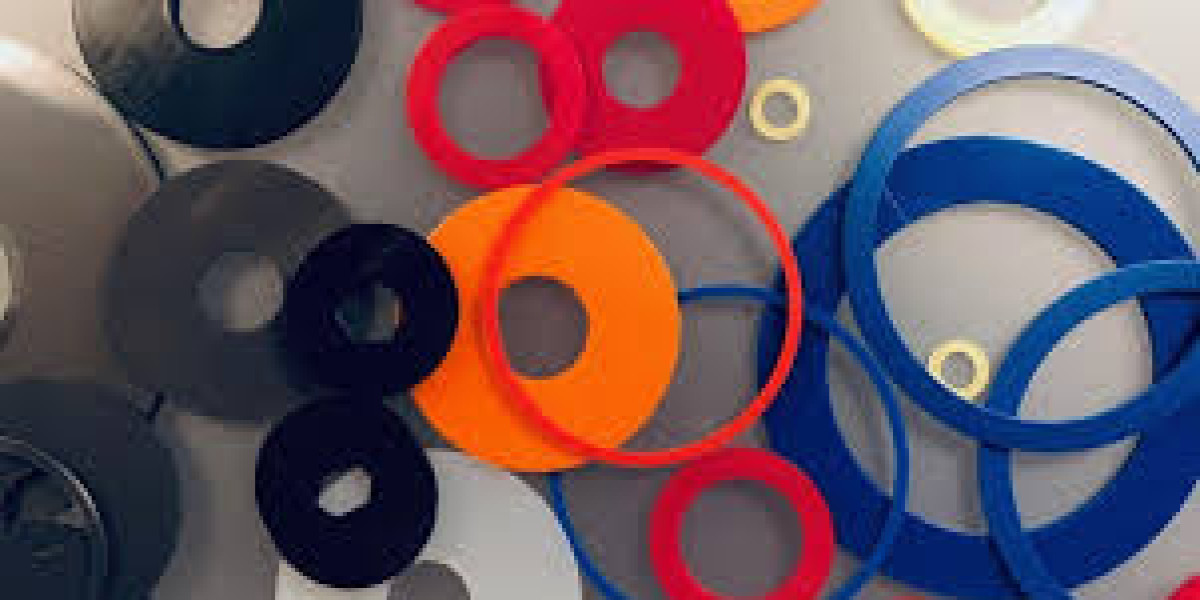
In industrial projects, not every solution comes from heavy metals. Sometimes, the smartest choice is a material that’s lighter, smoother, and more adaptable. That’s where Teflon and nylon come in.
These two materials are widely used across industries because they solve problems that metals alone cannot handle. From reducing friction in machines to resisting chemicals in harsh environments, Teflon and nylon quietly support systems that need to run efficiently and last longer.
Let’s explore how these materials are used and why they matter so much in modern industrial work.
What Makes Teflon and Nylon Special?
Before diving into their uses, it helps to understand what sets these materials apart.
- Teflon (PTFE) is known for its extremely low friction and strong resistance to heat and chemicals.
- Nylon is a tough, lightweight plastic that handles wear and repeated motion very well.
Both materials are non-metallic, yet they play a key role alongside metals in many applications.
Teflon in Industrial Applications
Teflon is often the go-to material when smooth movement and chemical resistance are required.
Low Friction Performance
Teflon is one of the slipperiest materials available. It allows parts to move easily without sticking, which reduces wear and tear.
Chemical Resistance
In industries where equipment is exposed to acids or harsh chemicals, Teflon performs reliably without breaking down.
Heat Tolerance
Teflon can handle high temperatures, making it suitable for demanding environments.
Common Uses of Teflon
- Seals and gaskets
- Pipe linings
- Non-stick surfaces
- Electrical insulation
It’s especially useful in industries like chemical processing, food production, and manufacturing.
Nylon in Industrial Applications
Nylon offers a different set of advantages, especially where strength and flexibility are needed.
Wear Resistance
Nylon handles friction well and lasts longer than many other plastics in moving parts.
Lightweight Strength
It’s strong enough for many mechanical uses while remaining much lighter than metal.
Noise Reduction
Nylon absorbs vibrations, making machinery quieter and smoother.
Common Uses of Nylon
- Gears and bearings
- Rollers and bushings
- Conveyor components
- Machine parts
Because of these qualities, nylon is widely used in manufacturing and mechanical systems.
Teflon vs Nylon: Choosing the Right Material
Both materials are useful, but they serve different purposes.
- Choose Teflon when you need low friction, chemical resistance, or high heat tolerance.
- Choose Nylon when you need strength, wear resistance, and flexibility.
In many industrial setups, both materials are used together to improve overall performance.
Aluminium 5083
While Teflon and nylon handle specific tasks, metals still play a major role in industrial structures. For example, many projects require strong and corrosion-resistant aluminium alloys. Businesses often prefer to shop aluminium 5083 in Sharjah for marine and industrial applications.
Aluminium 5083 is known for:
- Excellent corrosion resistance
- High strength compared to standard aluminium
- Suitability for marine environments
It’s commonly used in shipbuilding, storage tanks, and structural components where durability is important.
Aluminium Sections
For frameworks and structural designs, aluminium sections are widely used alongside materials like nylon and Teflon. Many contractors choose to buy aluminium sections in Ajman for building support systems and industrial structures.
These sections are ideal for:
- Machine frames
- Support structures
- Walkways and railings
- Fabrication projects
Their lightweight nature and ease of installation make them a practical choice for various industries.
How These Materials Work Together
In many industrial projects, no single material does all the work. Instead, engineers combine materials to get the best results.
For example:
- Aluminium provides structure and strength
- Nylon supports moving parts with reduced wear
- Teflon ensures smooth operation and chemical resistance
This combination improves efficiency, reduces maintenance, and extends the life of equipment.
Why These Materials Matter Today
As industries grow and technology advances, the demand for efficient and reliable materials continues to increase. Teflon and nylon help solve problems that traditional materials alone cannot handle.
They:
- Improve machine performance
- Reduce friction and energy loss
- Handle harsh environments
- Lower maintenance requirements
These benefits make them essential in modern industrial design.
Final Thoughts
Teflon and nylon may not be as visible as metal structures, but their impact is just as important. They keep machines running smoothly, reduce wear, and handle conditions that would damage other materials.
When combined with strong metals like aluminium, they create systems that are both efficient and durable. Whether it’s a factory setup, a marine project, or a mechanical system, choosing the right mix of materials can make all the difference.
In the end, smart material choices lead to better performance — and that’s what every industrial project aims for.