
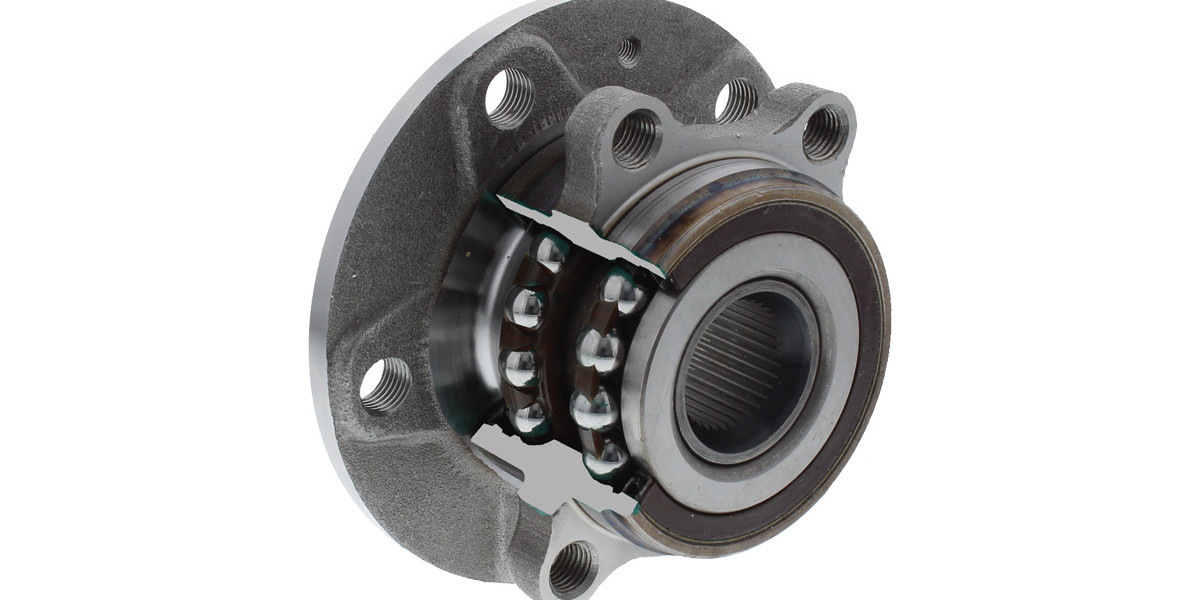
Wheel bearing kits are essential automotive assemblies designed to support wheel rotation, distribute vehicle load, and ensure smooth driving performance. These kits combine precision-engineered components such as bearings, seals, and hubs into a single unit that works continuously under heavy mechanical stress.
In real-world driving conditions, wheel bearing kits are constantly exposed to road impact, heat cycles, and contamination risks. Over time, even small issues in installation or maintenance can lead to performance degradation.
One of the earliest and most common warning signs is noise. If ignored, this noise can develop into vibration, steering instability, and eventually complete wheel failure.
For automotive workshops, fleet operators, and B2B suppliers, understanding the causes behind wheel bearing kit noise is essential for preventing breakdowns and improving service reliability.
Why Wheel Bearing Kits Start Making Noise
Wheel bearing kits operate under continuous load and rotation, making them highly sensitive to wear and external conditions.
Noise usually appears when internal smoothness is disrupted due to friction, contamination, or structural imbalance.
The most common causes include:
- Loss of lubrication inside the bearing
- Road dust or water contamination
- Improper installation or torque imbalance
- Excessive vehicle load or stress
- Internal surface wear or fatigue
- Misalignment in wheel assembly
Once these issues begin, noise typically increases gradually until full failure occurs.
Different Types of Bearing Noise Explained
Not all wheel bearing kit noises are the same. The sound type often indicates the stage of damage.
Humming Noise While Driving
This is usually an early warning sign of bearing wear and friction imbalance. It becomes more noticeable at higher speeds.
Grinding Sound During Motion
A grinding noise often indicates internal surface damage or severe contamination inside the bearing.
Clicking or Intermittent Noise
This type of sound may suggest damaged rolling elements or uneven load distribution.
Noise That Changes When Turning
If the sound increases during turns, it often points to load imbalance in one side of the bearing assembly.
Understanding these sound patterns helps in early diagnosis and prevents major repairs.
Heat and Friction Are Major Failure Factors
Heat buildup is one of the most damaging conditions for wheel bearing kits.
As the vehicle moves, friction naturally generates heat inside the bearing. When lubrication is insufficient or degraded, this heat increases rapidly.
Heat-related issues are caused by:
Continuous Heavy Load
Overloaded vehicles place constant stress on wheel assemblies.
High-Speed Driving Conditions
Extended high-speed operation increases internal friction.
Lubrication Breakdown
Old or insufficient grease reduces protection between metal surfaces.
Misalignment Problems
Uneven pressure creates localized overheating zones.
If heat continues to rise, internal components begin to wear faster and lose structural stability.
Contamination Leads to Internal Damage
Wheel bearing kits are exposed to external environments, making them highly vulnerable to contamination.
Once dust, water, or debris enters the system, it mixes with lubrication and creates abrasive wear inside the bearing.
Common contamination sources include:
- Damaged wheel seals
- Driving through water or muddy roads
- Dust-heavy environments
- Poor maintenance practices
- Improper storage before installation
Contamination gradually damages internal surfaces and increases noise levels over time.
Installation Errors Increase Noise Risk
Incorrect installation is one of the most overlooked causes of wheel bearing kit noise.
Even premium-quality kits can fail if installed incorrectly.
Common installation mistakes include:
Incorrect Torque Application
Uneven tightening affects alignment and load distribution.
Improper Pressing Techniques
Excessive or uneven force damages internal bearing structure.
Reusing Old Hub Components
Worn parts reduce stability and create imbalance.
Contaminated Installation Process
Dust or debris during assembly leads to early failure.
Correct installation ensures smooth performance and longer service life.
Early Warning Signs Before Major Failure
Wheel bearing kits rarely fail without warning. Noise is usually part of a larger set of symptoms.
Key indicators include:
Increasing Wheel Noise
Sound becomes louder with speed or turning.
Steering Wheel Vibration
Indicates internal imbalance or wear.
Uneven Tire Wear
Caused by unstable wheel movement.
ABS Sensor Issues
Some kits affect wheel speed detection systems.
Wheel Play or Looseness
Excess movement indicates serious internal damage.
Recognizing these early helps avoid costly repairs and safety risks.
Why Low-Quality Wheel Bearing Kits Fail Faster
Low-cost wheel bearing kits may reduce initial expenses but often lead to frequent replacements and higher long-term costs.
Inferior kits typically suffer from:
- Weak material composition
- Poor heat resistance
- Inconsistent machining quality
- Low load-bearing capacity
- Poor sealing performance
These weaknesses significantly increase the risk of noise, vibration, and early failure.
For B2B buyers and workshops, consistent product quality is essential for reducing downtime and improving customer satisfaction.
Preventive Maintenance Extends Service Life
Preventive maintenance is the most effective way to reduce wheel bearing kit noise and extend lifespan.
Important practices include:
Routine Inspection
Helps identify early wear or damage.
Seal Condition Checks
Prevents contamination from entering the system.
Vibration Monitoring
Detects imbalance or misalignment early.
Proper Torque Maintenance
Ensures stable installation and performance.
Timely Replacement Strategy
Prevents cascading damage to wheel assemblies.
A structured maintenance approach significantly improves reliability and safety.
Conclusion
Wheel bearing kit noise is a clear warning sign of underlying issues such as heat buildup, contamination, installation errors, or material fatigue.
For automotive workshops, fleet operators, and B2B suppliers, addressing these issues early through proper installation, quality components, and preventive maintenance is essential for reducing downtime and improving vehicle safety.
A properly maintained wheel bearing kit ensures smooth wheel rotation, reduced noise, stable handling, and long-term reliability under demanding driving conditions.






